British Tanganyika, 1919–1961
Forty years in which Tanganyika was ruled by Britain but never owned by it: first for the League of Nations, then for the United Nations. It became independent by negotiation in 1961, ahead of Uganda and Kenya.
Edited by Kabeer Dalvi · Updated 4 October 2026
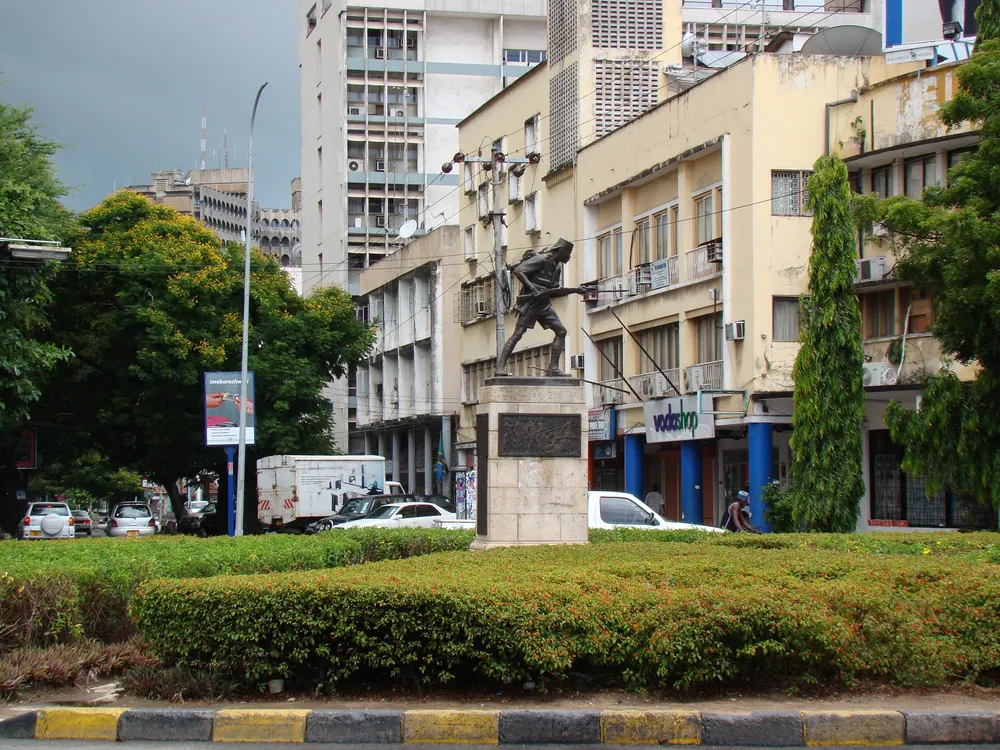
The Askari Monument in Dar es Salaam, unveiled in 1927 to the African soldiers and carriers of the First World War.
- Treaty of Versailles: Germany gives up the colony
- 28 June 1919
- League of Nations mandate under Britain
- 20 July 1922
- Donald Cameron governor; indirect rule
- 1925–1931
- Tanganyika African Association founded
- 1929
- United Nations trust territory
- 13 December 1946
- The groundnut scheme
- 1946–1951
- Independence
- 9 December 1961
A mandate, not a colony
British forces held most of German East Africa from 1916, during the First World War, and Germany gave up the colony under the Treaty of Versailles on 28 June 1919. Rwanda and Burundi went to Belgium. Britain took the rest, named it Tanganyika Territory, and on 20 July 1922 received it formally as a League of Nations mandate.
A mandate was not a possession. Britain ruled Tanganyika on the League's behalf and had to report to it each year, and that status shaped the next forty years. Tanganyika was never meant for mass European settlement as Kenya was, and in the end its international status gave Tanganyikans an audience for their case for independence. The first governor was Horace Byatt, who had run the occupied territory since 1916; the capital stayed at Dar es Salaam.
Indirect rule
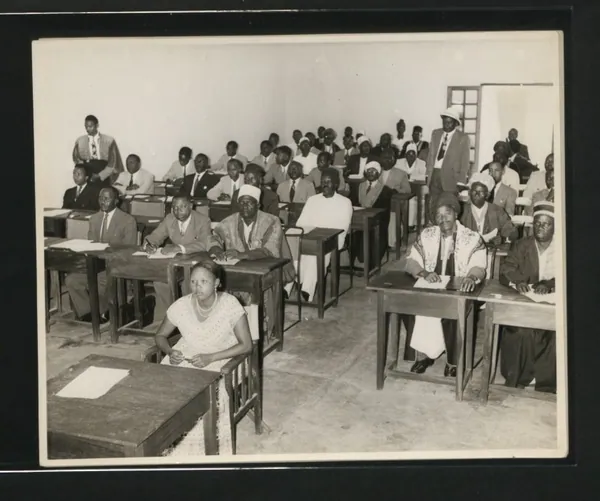
Sir Donald Cameron, governor from 1925 to 1931, brought from Nigeria the policy of indirect rule: governing through African chiefs and their councils as "native authorities", which collected taxes and ran local courts under British officers. Cameron also opposed plans to merge Tanganyika with Kenya and Uganda, which would have opened its land to Kenya's settlers. A Legislative Council first sat in Dar es Salaam on 7 December 1926: twenty members, all appointed by the governor. Its first African members, Chief Abdiel Shangali and Chief Kidaha Makwaia, were not appointed until 1945.
Indirect rule made the chiefs part of the colonial state, and their standing lasted into independence. The most famous instance is in Iringa: the Treaty of Versailles had ordered Germany to return the skull of the Hehe chief Mkwawa, and in 1954 Governor Sir Edward Twining handed it to Mkwawa's grandson, Chief Adam Sapi, at Kalenga.
Sisal, coffee, gold and diamonds
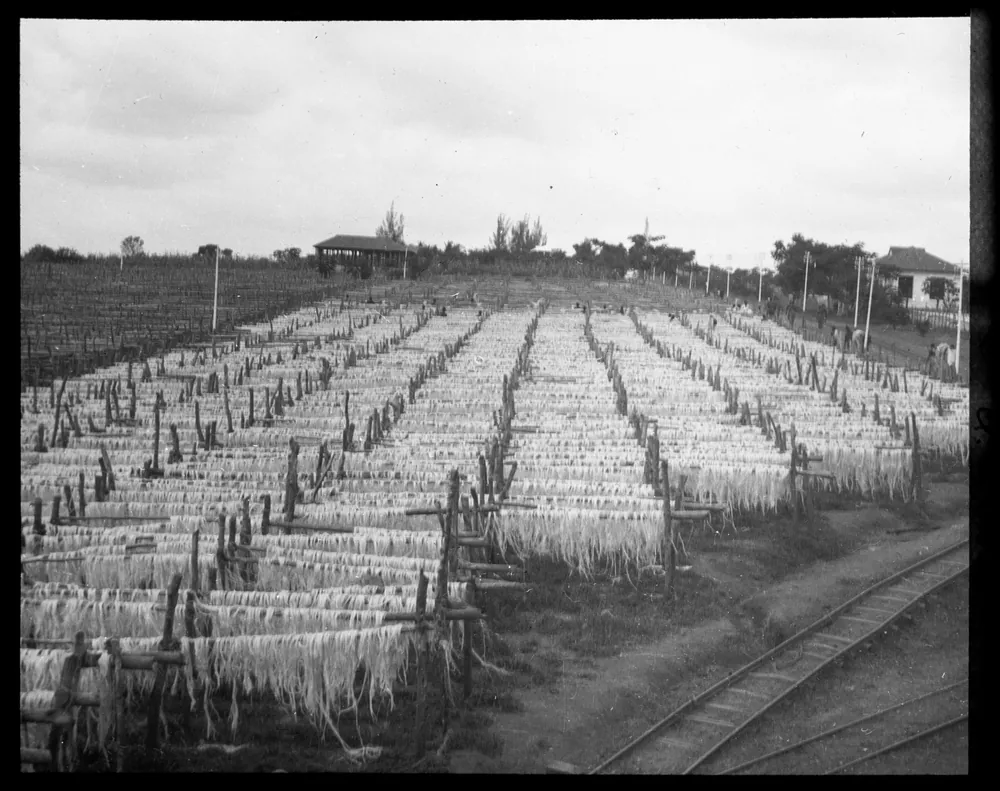
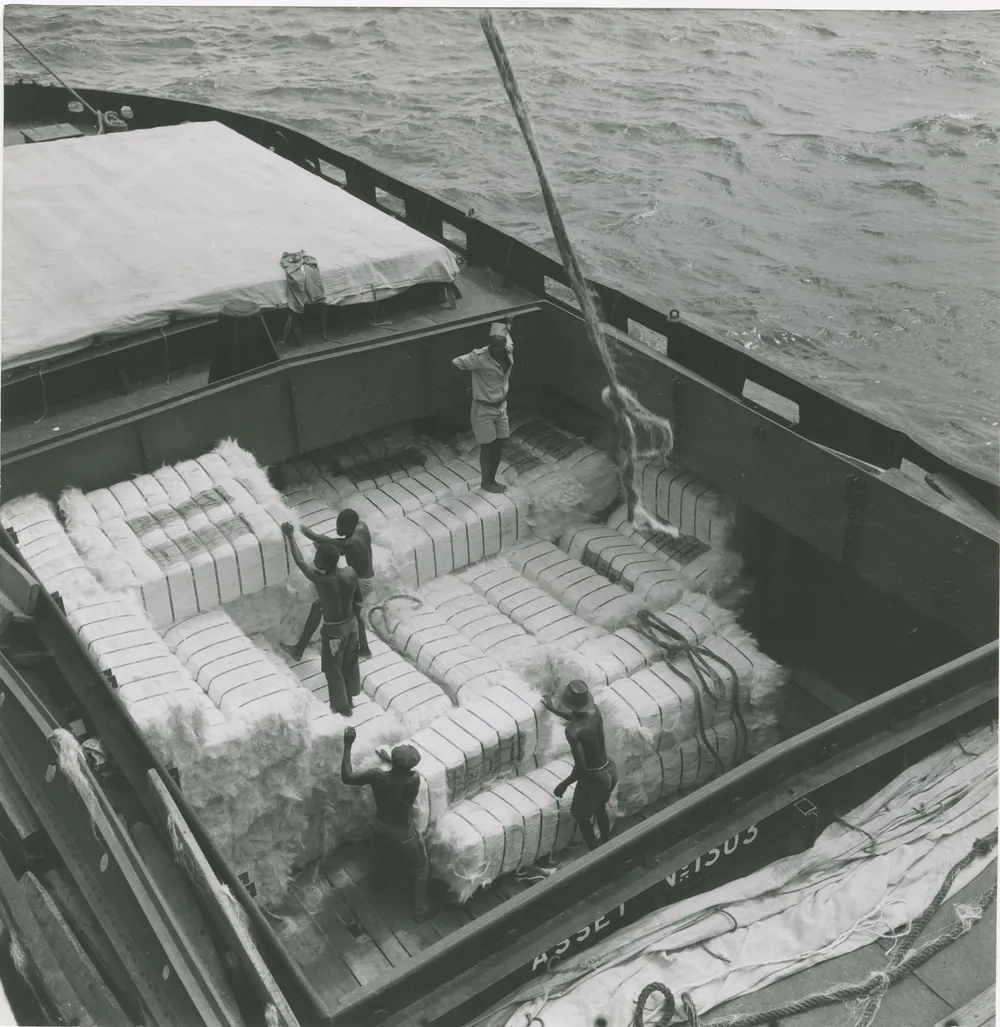
The economy ran on exports. Sisal from the estates around Tanga was the largest of them, and Tanganyika became the biggest producer in the world. On Kilimanjaro, Chagga farmers grew their own coffee and organised to sell it, forming the Kilimanjaro Native Planters' Association in 1925 and then the Kilimanjaro Native Co-operative Union, the country's oldest co-operative (Kilimanjaro guide).
In the 1920s a gold rush on the Lupa goldfields founded the town of Mbeya; a mine opened at Geita in 1936; and in March 1940 the geologist John Williamson found the diamond pipe at Mwadui, in Shinyanga, the largest economically workable diamond pipe in the world. Railways followed the trade: the line from Moshi reached Arusha in 1928–29, and a branch to Singida ran from 1931 to 1948. More on the minerals: mining in Tanzania.
German settlers came back too. Barred until 1925, they arrived at an average of 250 a year between 1929 and 1933, according to the historian Willeke Sandler, and by 1939 there were 2,729 Germans in the territory against 2,100 Britons outside government. Many were interned and deported when the Second World War began.
War, trusteeship and the groundnut scheme
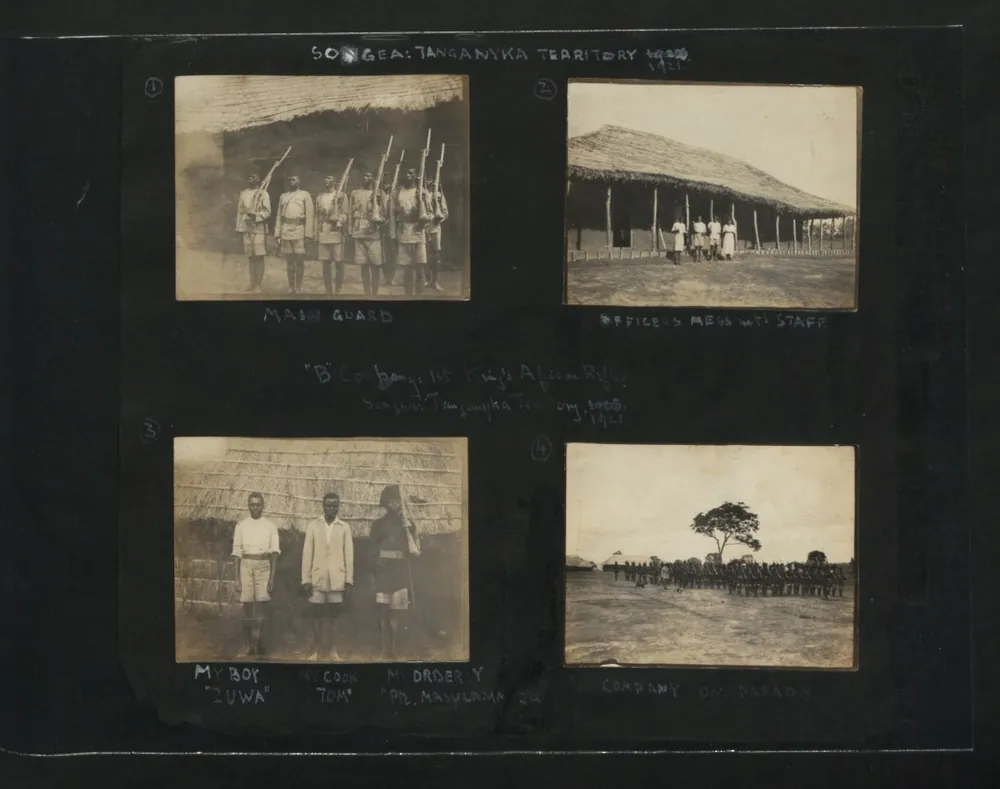
Tanganyikans fought for Britain in the Second World War. The 26th (Tanganyika) Battalion of the King's African Rifles served with the 11th (East Africa) Division against the Japanese in Burma.
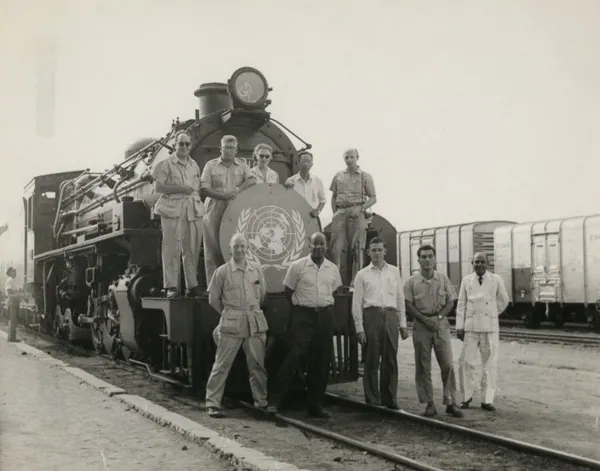
When the League of Nations gave way to the United Nations, Tanganyika became a United Nations trust territory under British administration, by an agreement approved by the General Assembly on 13 December 1946. UN visiting missions now toured the territory and reported on how it was run, and petitions could go straight to the UN in New York.
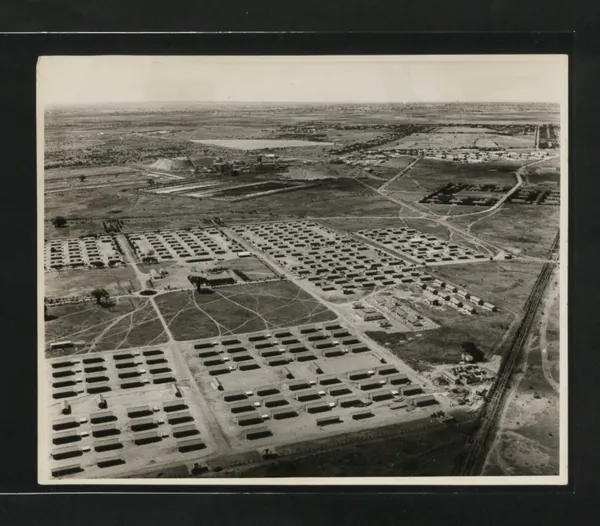
The same year Britain launched the groundnut scheme, a plan to clear some 3 million acres for mechanised peanut farming to feed post-war Britain. It was centred on Kongwa in Dodoma Region and on the south around Nachingwea in Lindi, where a new port was built at Mtwara. Only about 47,000 acres were ever cleared. The scheme was abandoned in 1951, having cost about £36 million.
The road to independence
African politics began in the towns. In 1929 African civil servants in Dar es Salaam founded the Tanganyika African Association, a social and political club. In 1954 its members turned it into the Tanganyika African National Union (TANU), led by Julius Nyerere, a teacher born at Butiama in 1922 and educated at Tabora, Makerere and Edinburgh.
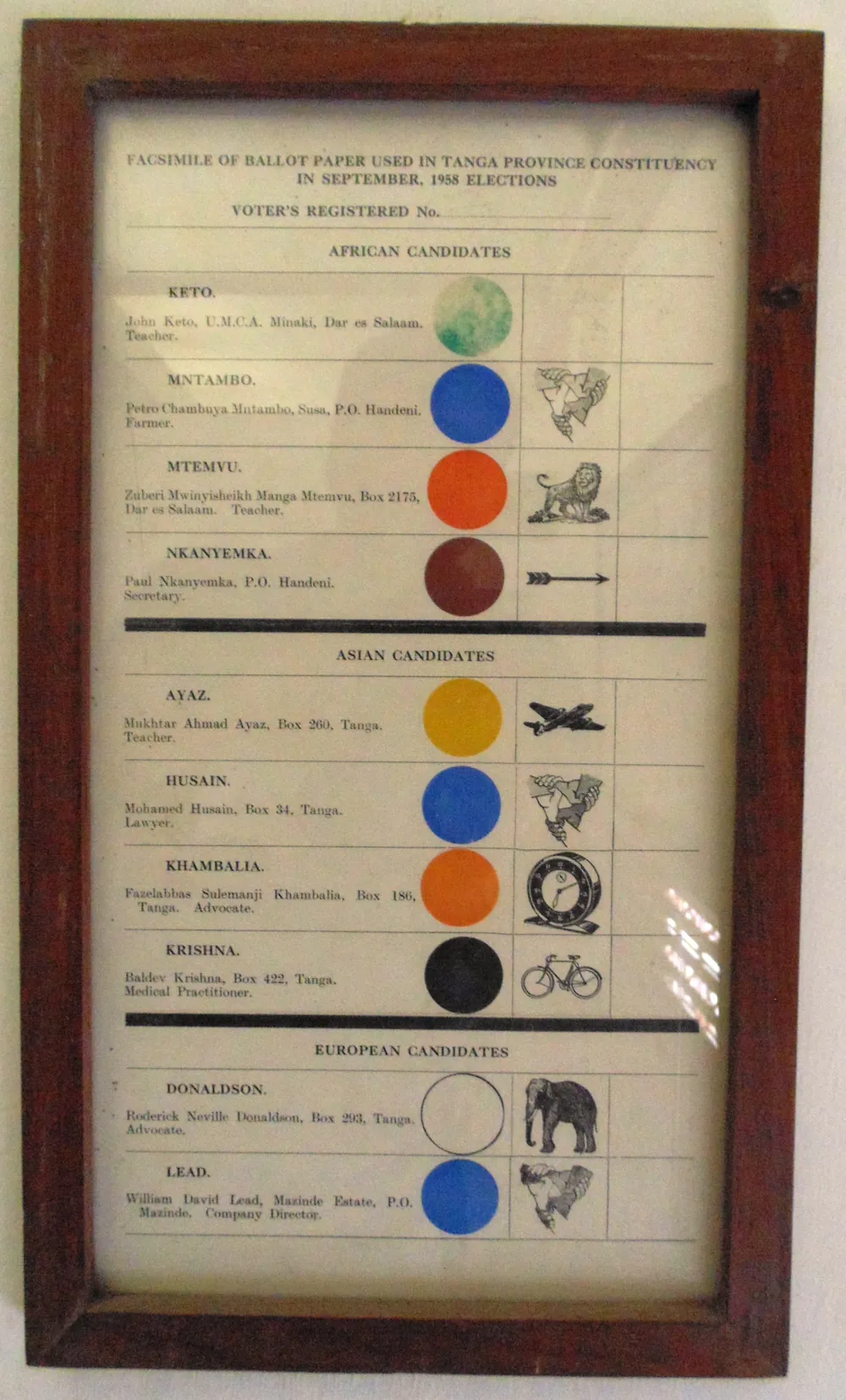
Governor Sir Edward Twining (1949–1958) devised the rules for the territory's first elections, in 1958 and 1959: in each constituency every voter had to choose one African, one European and one Asian candidate. TANU wanted African majority rule, but at a conference in Tabora in 1958 Nyerere persuaded it to take part anyway, and TANU and the candidates it backed won all 30 elected seats.
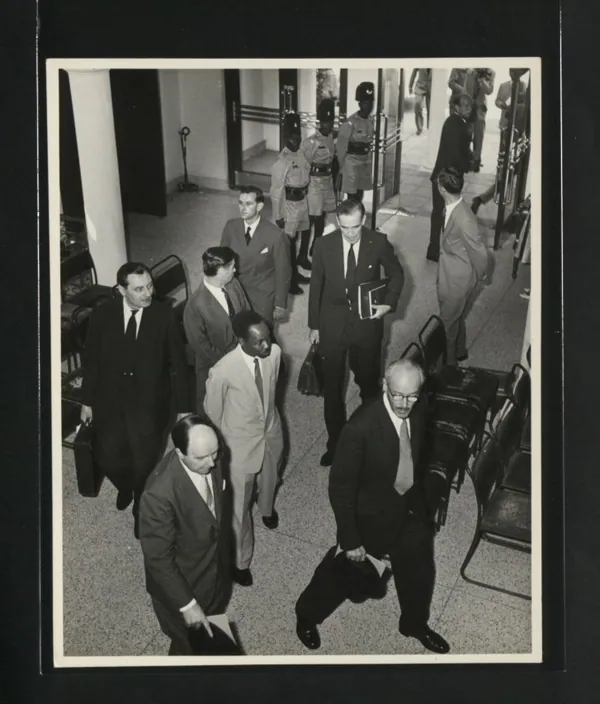
Under Twining's successor, Sir Richard Turnbull, change then came fast. TANU took 70 of the 71 elected seats in 1960; a constitutional conference opened at Karimjee Hall in Dar es Salaam on 27 March 1961; Tanganyika had internal self-government from 1 May, and became independent on 9 December 1961. That story, and what followed, is told on Independence and the Nyerere years.
- Was Tanganyika a British colony?
- Not formally. Britain ruled it from 1919 to 1961, first as a League of Nations mandate (from 20 July 1922) and then, from 13 December 1946, as a United Nations trust territory. It had to report to those bodies on how it governed, which is not true of a colony.
- What was indirect rule in Tanganyika?
- The system brought in by Governor Sir Donald Cameron from 1925, under which Britain governed through African chiefs and their councils as native authorities. They collected tax and ran local courts under the supervision of British officers.
- What was the Tanganyika groundnut scheme?
- A British government plan, launched in 1946, to grow peanuts on about 3 million acres of Tanganyika, centred on Kongwa and on Nachingwea in the south. Only about 47,000 acres were cleared, and it was abandoned in 1951 after costing about £36 million.
- When did Tanganyika become a trust territory?
- On 13 December 1946, when the UN General Assembly approved the trusteeship agreement for Tanganyika, with Britain as the administering authority. The trusteeship ended with independence on 9 December 1961.
- Who governed Tanganyika for Britain?
- Among the governors were Horace Byatt (from 1916), Sir Donald Cameron (1925–1931), Sir Edward Twining (1949–1958) and Sir Richard Turnbull (1958–1961), who stayed on as governor-general for the first year of independence.
Last reviewed 4 October 2026
Edited by Kabeer Dalvi
Checked against
- Trusteeship Agreement for the Territory of Tanganyika, approved by the General Assembly on 13 December 1946United Nations Digital Library
- Tanganyika TerritoryWikipedia
- Donald Charles Cameron (colonial administrator)Wikipedia
- Edward Twining, Baron TwiningWikipedia
- Tanganyika African AssociationWikipedia
- Tanganyika groundnut schemeWikipedia
- 11th (East Africa) Division — the 26th (Tanganyika) Battalion, King's African Rifles, in BurmaWikipedia
- Unofficial Empire: Germans between Germany and Tanganyika, 1925–1945 (Willeke Sandler)Loyola University Maryland
- Historia ya Bunge — the Legislative Council, 1926Parliament of Tanzania
- 1958–59 Tanganyikan general electionWikipedia
- Richard Turnbull (colonial administrator)Wikipedia
- Askari Monument, Dar es SalaamWikipedia