Stone Town
The old quarter of Zanzibar City: a coral-stone port built on cloves and the monsoon, where Africa, Arabia and the Indian Ocean were pressed into one street plan.
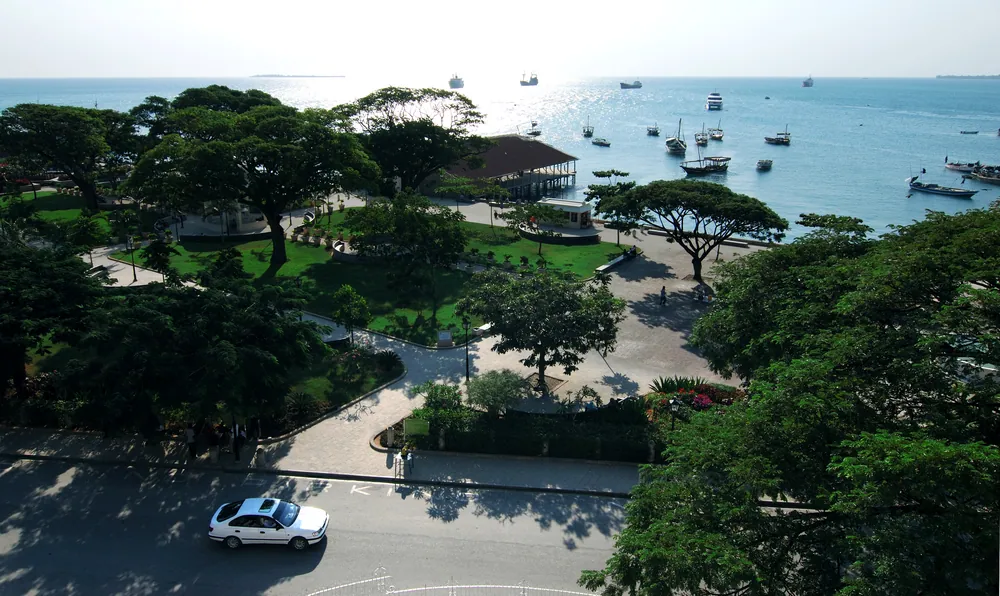
Stone Town from above: the old port, the seafront, and the dense grid of coral-rag houses behind it.
- Region
- Zanzibar Urban/West, Unguja
- Status
- UNESCO World Heritage Site, listed 2000
- Language
- Kiswahili; English widely spoken
- From Dar es Salaam
- About 2 hours by fast ferry
- Airport
- Abeid Amani Karume International (ZNZ)
A capital that arrived by sea
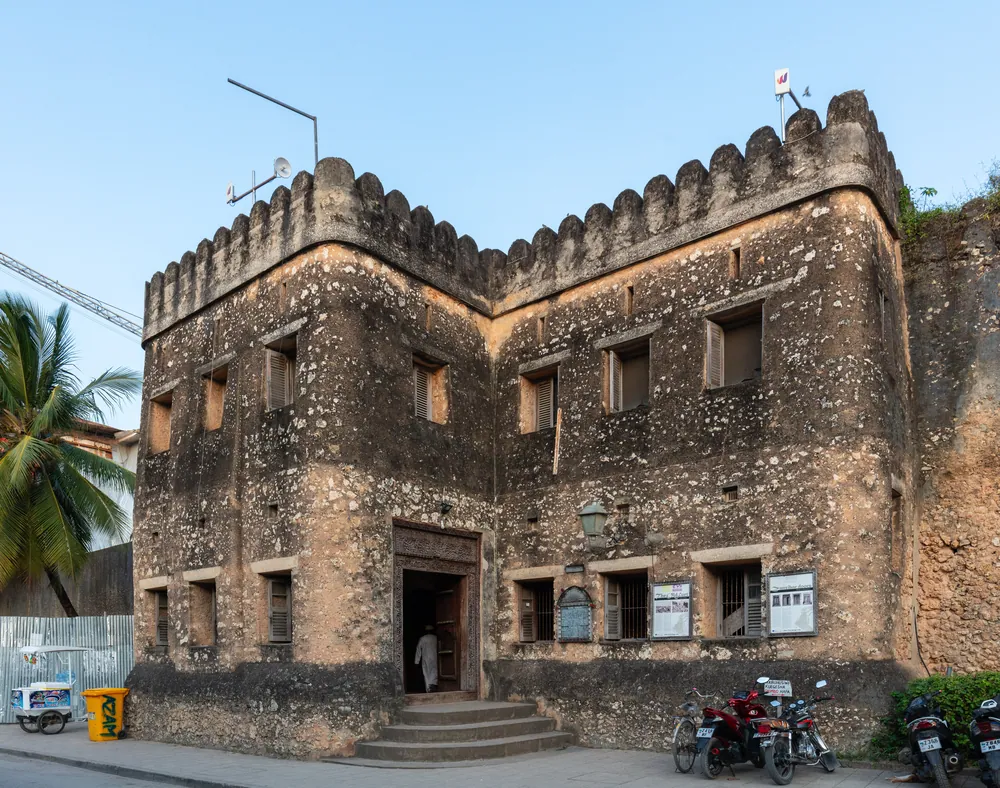
Stone Town is not an old city by the standards of the Swahili coast — Kilwa and Bagamoyo were trading long before it — but it is the one that ended up holding the region's power. What made it was the monsoon. For roughly half the year the northeast winds carried dhows down from Oman, Gujarat and the Persian Gulf; for the other half the southwest winds carried them home. Zanzibar sat at the point where that rhythm met the African mainland, and a town grew at the hinge.
The Portuguese held the island loosely from the early sixteenth century, and left little beyond a chapel whose foundations sit under the Old Fort. Omani forces displaced them around 1700. The decisive moment came in 1840, when Sultan Said bin Sultan moved the seat of the Omani sultanate from Muscat to Zanzibar — an Arabian dynasty relocating its capital to an African island because that was where the money had gone.
The money was cloves. Introduced to the islands in the early nineteenth century, they took to the soil so well that Zanzibar and Pemba between them came to supply the greater part of the world's crop. Clove plantations demanded labour, and the labour was taken: Zanzibar became the largest slave market in East Africa, with captives marched to the coast from as far inland as Lake Tanganyika. The market was closed in 1873 under treaty pressure from Britain, and the Anglican cathedral was deliberately built on its site — the altar is said to stand where the whipping post stood.
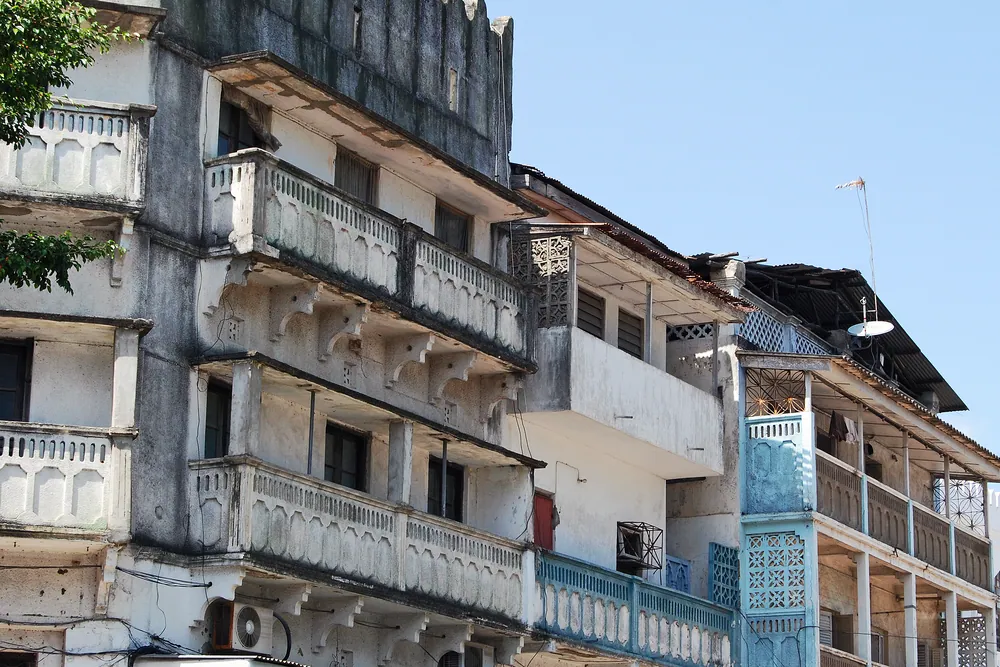
The buildings that give the town its name went up in that same century of clove wealth: coral rag and lime, three and four storeys, flat roofs, deep shaded verandas. The Sultan's palace, the Old Dispensary with its fretwork balconies, and the House of Wonders — Beit al-Ajaib, built for Sultan Barghash in 1883 and the first building in East Africa to have electric light and an electric lift — all belong to it. In 1896 the same waterfront saw the Anglo-Zanzibar War, which lasted somewhere under forty-five minutes and remains the shortest war on record.
British protectorate rule ran from 1890 to 1963. Independence lasted a month. In January 1964 the Zanzibar Revolution overthrew the sultanate, and in April the islands entered a union with mainland Tanganyika that produced the United Republic of Tanzania. Zanzibar kept its own president, its own legislature and a good deal of its own temper. The old town was left largely intact through those decades, in part because there was no money to redevelop it — a neglect that turned out to be a form of preservation, and the reason UNESCO listed it in 2000.
Cloves, seaweed and the visitor economy
What the islands produce
- Cloves
- Mostly Pemba; still the signature export
- Seaweed
- Eucheuma, farmed on the east coast
- Fish
- Reef and pelagic, largely artisanal
- Spices
- Nutmeg, cinnamon, black pepper, cardamom
- Tourism
- The largest single earner today
Cloves still matter, and Pemba — the quieter northern island — grows most of them. But the crop no longer carries the islands. Prices fell through the late twentieth century, plantations aged, and the state marketing board that controls the trade has not always been a friend to the grower. The trees remain, and the smell of drying buds still comes off the roadside mats in season.
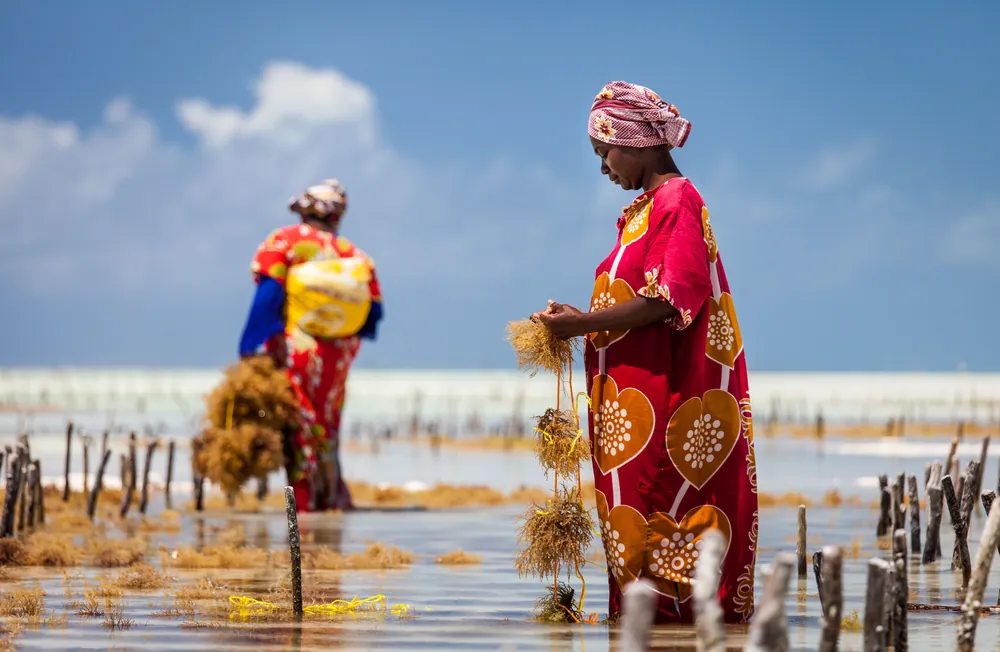
Two things took the place of cloves. The first is seaweed. Eucheuma has been farmed in the shallows off the east coast since the late 1980s — pegged out in rows on the reef flat, tended at low tide, dried on the sand and shipped to processors who extract carrageenan for food and cosmetics. It is done almost entirely by women, and in villages like Paje, Jambiani and Bwejuu it is the cash income. Warming water has been hard on the higher-value species, and the work is less rewarding than it was.
The second is tourism, which is now the dominant earner and the dominant employer, and which arrived faster than the infrastructure to hold it. Fresh water is the constraint that gets discussed least and matters most: the islands sit on a limited freshwater lens, and hotel demand competes directly with village supply. Visitors who ask where their water comes from are asking a live local question, not a rhetorical one.
Fishing remains largely artisanal — outrigger canoes and small dhows, sold at the morning market rather than exported. Darajani, the covered market at the edge of the old town, is where the island's economy is most legible: fish, cloves, chillies, plastic buckets, phone credit, all within about forty metres.
Doors, taarab, and the month of Ramadan
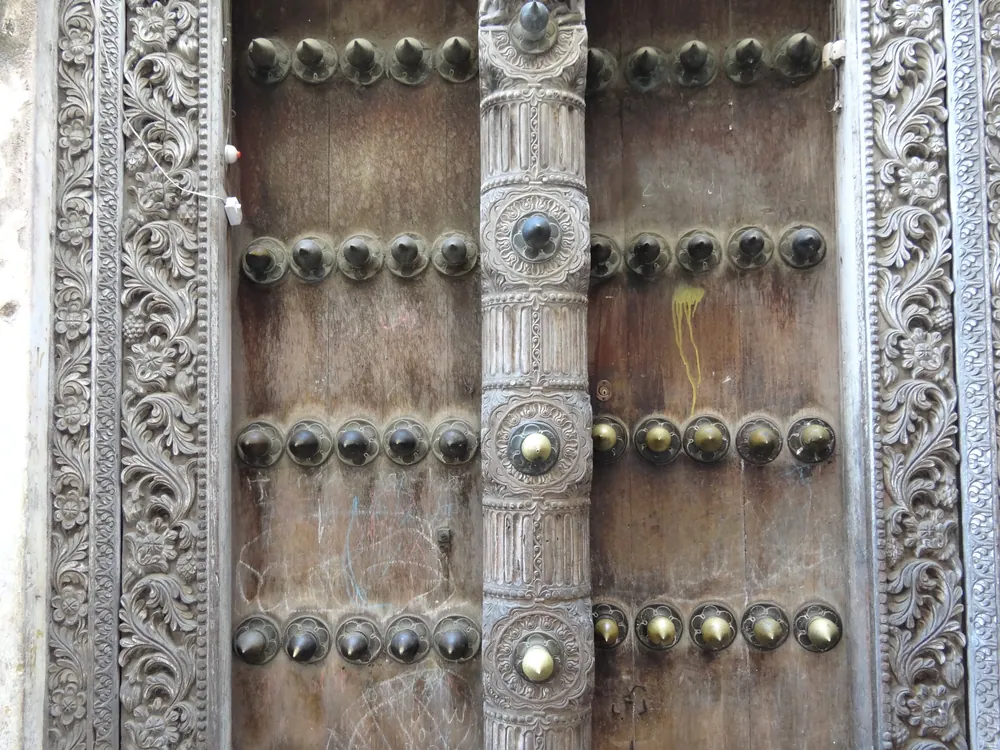
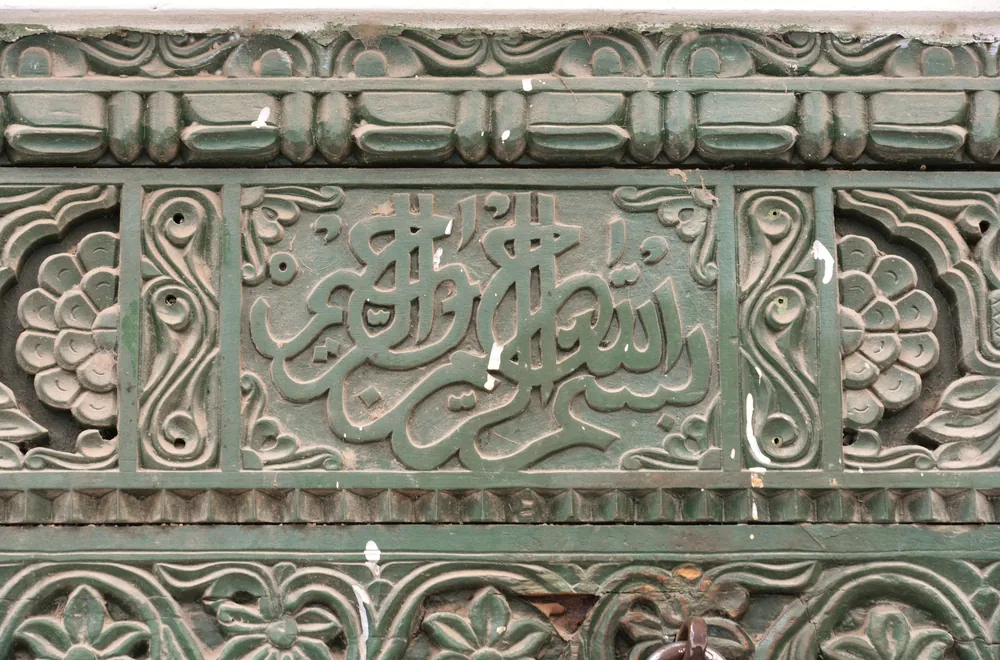
The doors are the first thing visitors photograph and the last thing they understand. There are broadly two traditions. The older Omani or Arab door is rectangular, with a heavy carved frame and an inscribed lintel — often a verse from the Qur'an, sometimes a date. The Indian door, brought by Gujarati merchants, has a rounded arch and rows of brass studs. The studs are decorative here; they descend from a north Indian defence against war elephants, an animal that has never had any business on Zanzibar. A door was a statement of the owner's standing, and it was frequently built before the house behind it.
The town is overwhelmingly Muslim and its calendar runs on that. During Ramadan most cafés close through the day, the pace slows, and the streets fill sharply after sunset; Forodhani Gardens becomes a night market of grilled fish, cassava and sugar-cane juice. Visitors are welcome throughout, but shoulders and knees covered is the expected courtesy in the old town at any time of year, and it is noticed.
Taarab is the island's own music — sung Kiswahili poetry over an orchestra that owes as much to Cairo as to the mainland, with an oud, a violin section and a great deal of coded innuendo. Bi Kidude, who performed into her nineties and died in 2013, remains its presiding figure. The Dhow Countries Music Academy in the old town teaches it, and is a straightforward place to hear it played properly rather than for a hotel audience.
Kiswahili itself is the coast's great synthesis: a Bantu language, structurally African, that absorbed Arabic, Persian, Portuguese and Hindustani vocabulary the way the town absorbed architecture. Zanzibari Swahili — Kiunguja — is the dialect on which the modern standard language was built, which is why islanders will tell you, not entirely as a joke, that the rest of the country is speaking their language with an accent.
One footnote the town has learned to live with: Farrokh Bulsara was born here in 1946, in a house on Shangani, and left as a boy. The world knows him as Freddie Mercury.
Informational — none of this is ticketed by us
Monument
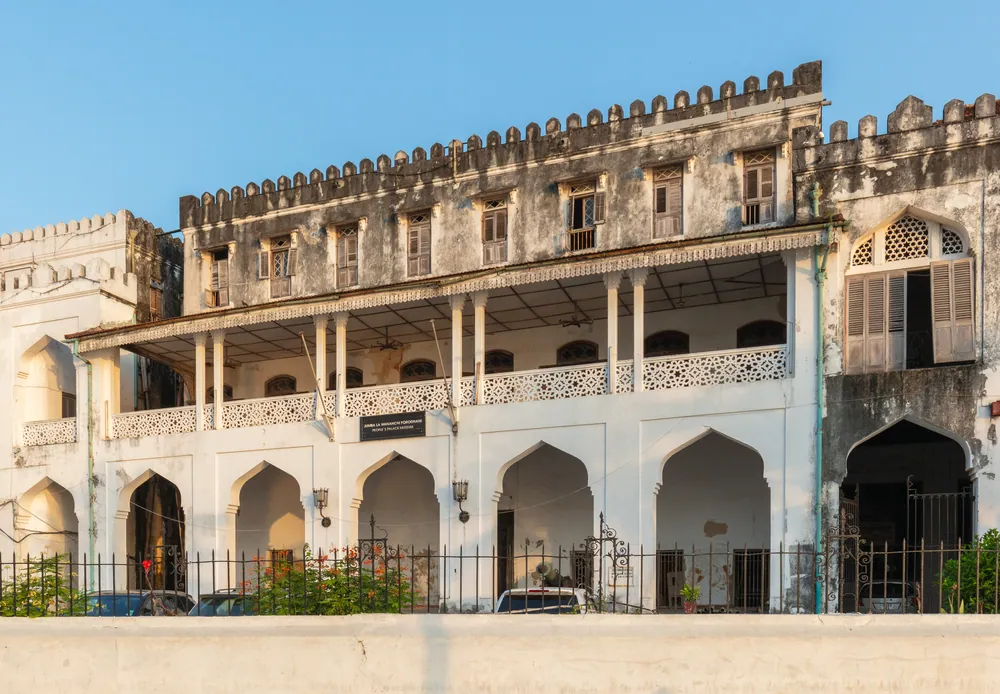
The Old Fort
Omani, c. 1700, on Portuguese foundations. An amphitheatre now occupies the courtyard.
Waterfront
Forodhani Gardens
Empty by day, a food market every evening. Go for the grilled fish, not the 'Zanzibar pizza'.
Museum
The Palace Museum
Beit el-Sahel, the sultans' residence, with the rooms of Princess Salme largely as she left them.
Heritage
Anglican Cathedral, Mkunazini
Built on the site of the closed slave market. The memorial and chambers below are the reason to come.
National park
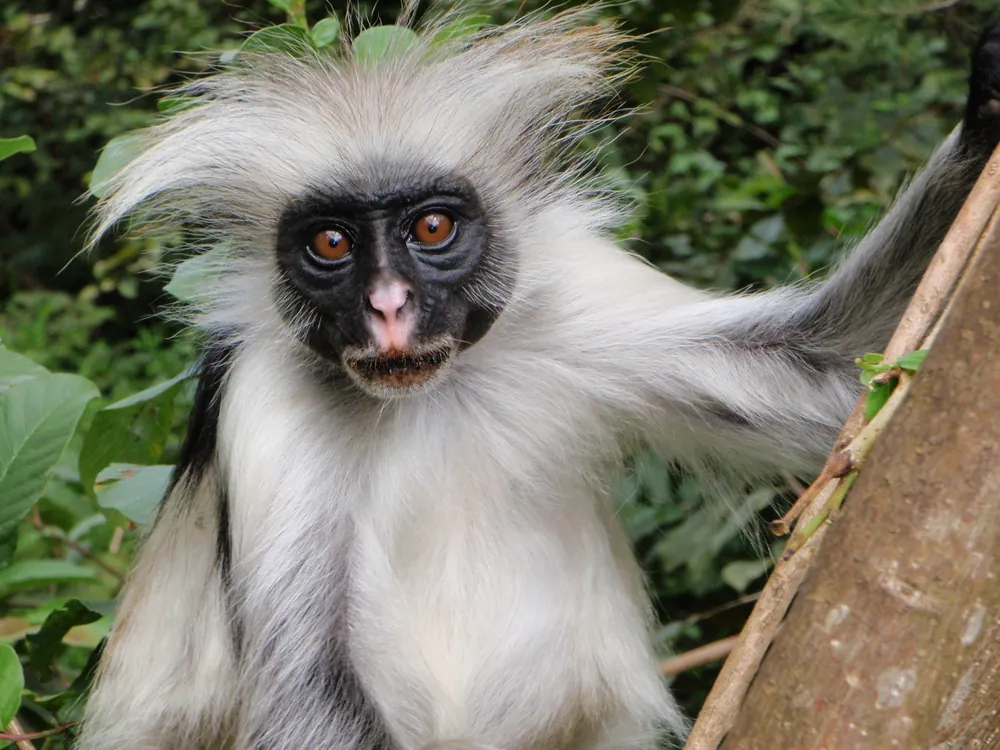
Jozani Chwaka Bay
Forty minutes south. The Zanzibar red colobus lives nowhere else on earth.
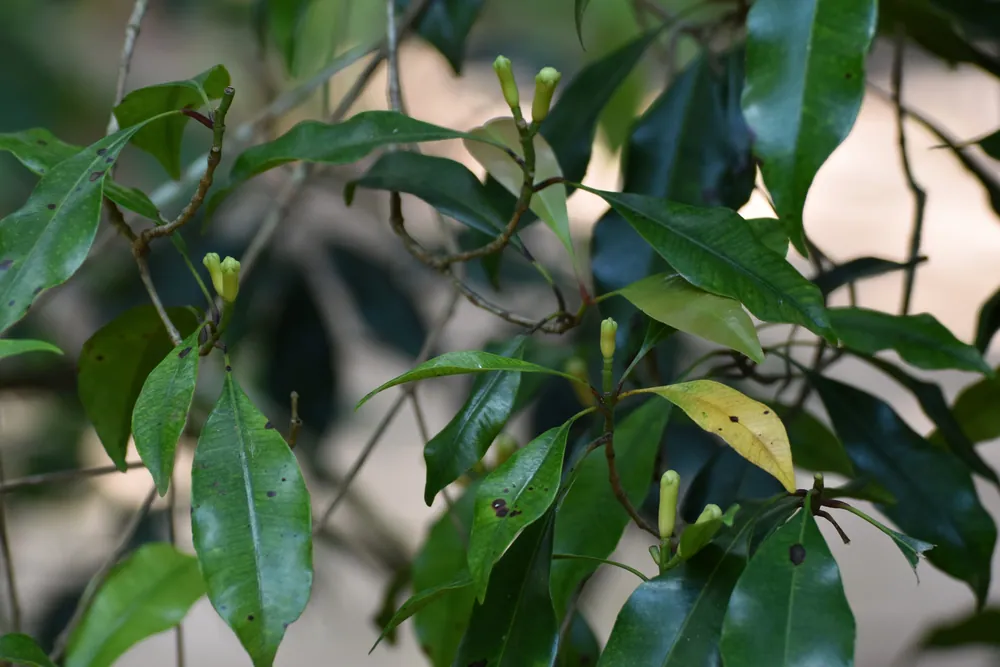
Working farm
A spice shamba
Inland from the town. Cloves, nutmeg, cinnamon bark, and a sharp lesson in how little of the plant you recognise.
Before you go
- Getting there
- Fast ferry from Dar es Salaam, about two hours; or a twenty-minute flight. Ferries book out on Fridays and Sundays.
- Getting around
- The old town is walkable and largely impassable to cars. Expect to get lost; it is small enough that this is not a problem.
- When to come
- June to October is dry and steady. The long rains fall mid-March to May. December to February is hot, clear and busy.
- Money
- Tanzanian shillings. Cards are accepted in hotels and almost nowhere else. ATMs cluster on Kenyatta Road.
- Dress
- Shoulders and knees covered in the old town. Swimwear is for the beach, not the street.
- Time
- East Africa Time, UTC+3, no daylight saving.
Last reviewed 2026-08-19
Editorial — fact-check complete
Checked against
- Stone Town of Zanzibar — World Heritage ListUNESCO
- Zanzibar City / Stone TownEncyclopaedia Britannica
- Jozani Chwaka Bay National ParkZanzibar Commission for Tourism