Unguja
The main island of Zanzibar: a World Heritage city on its western shore, reef and white sand around the rest of it, spice farms in the middle, and a mosque in the south with an inscription cut in 1107.
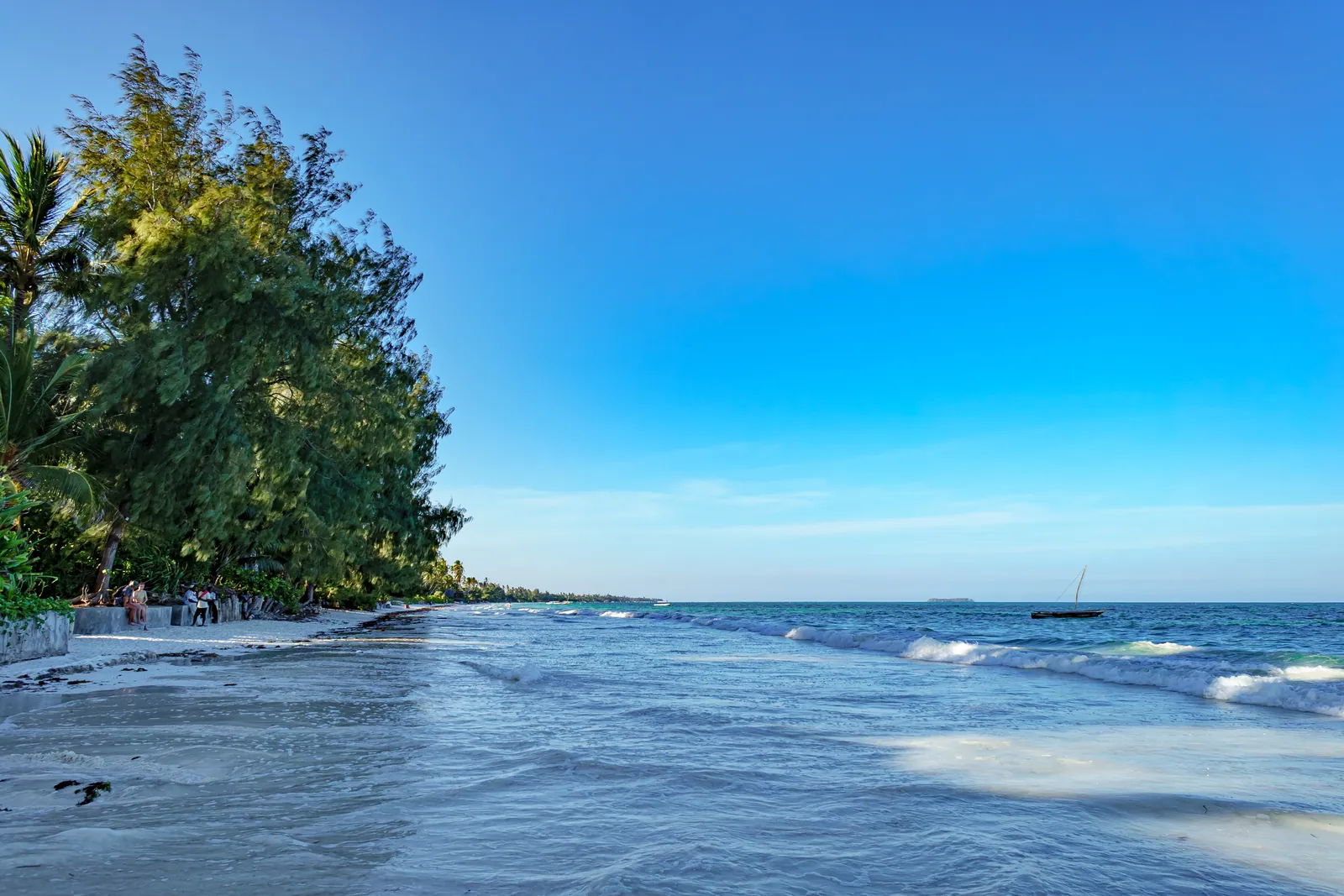
The beach at Nungwi, at the island's northern tip, where the tide does not strand the boats as it does on the east coast.
- Islands
- Unguja — the island usually called Zanzibar
- Population
- 1,346,332 (2022 census, three regions)
- Area
- About 1,666 km²
- Regions
- Urban/West, Unguja North, Unguja South
- Main city
- Zanzibar City, with Stone Town at its heart
An island at the centre of the monsoon
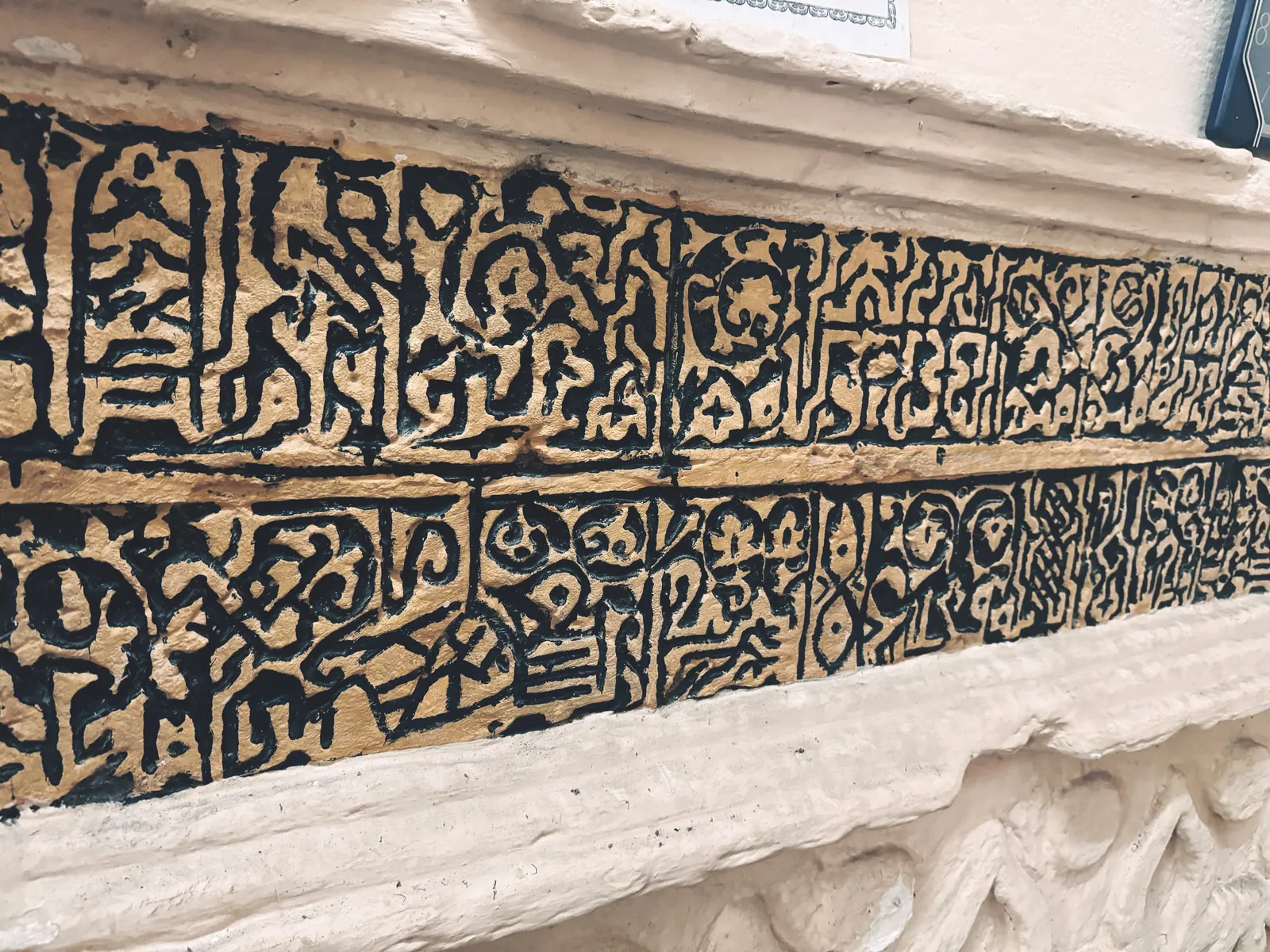
Unguja has been part of the Indian Ocean world for more than a thousand years. The oldest dated Islamic building on the East African coast stands at Kizimkazi Dimbani, in the south of the island: a mosque whose Kufic inscription dates it to 1107, and which is still in use today, though most of the present structure was rebuilt in the eighteenth century.
The island's later history is the one most people know: Omani rule, the move of the sultan's court from Muscat to Zanzibar in the 1830s, the clove plantations, and the slave trade that supplied them and the wider ocean economy. Stone Town, the old city on the western shore, was inscribed as a UNESCO World Heritage Site in 2000 for exactly that layered history.
In January 1964, a month after independence from Britain, a revolution overthrew the sultanate, and in April Zanzibar united with Tanganyika to form Tanzania. The islands keep their own government, president and legal jurisdiction within that union — which is why Zanzibar has separate rules on everything from business licences to driving permits.
Cloves, tourism and seaweed
What the island lives on
- Tourism
- The dominant industry, and growing fast
- Cloves & spices
- The old economy, now mostly on Pemba
- Fishing
- Reef and deep-water, across the island
- Seaweed
- Farmed in the shallows, largely by women
- Trade
- The port at Malindi, and the ferry to Dar
Tourism is now the island's principal business, and its footprint is obvious: hotels along the east and north coasts, dive centres, spice tours, and a steady traffic of ferries and flights from the mainland.
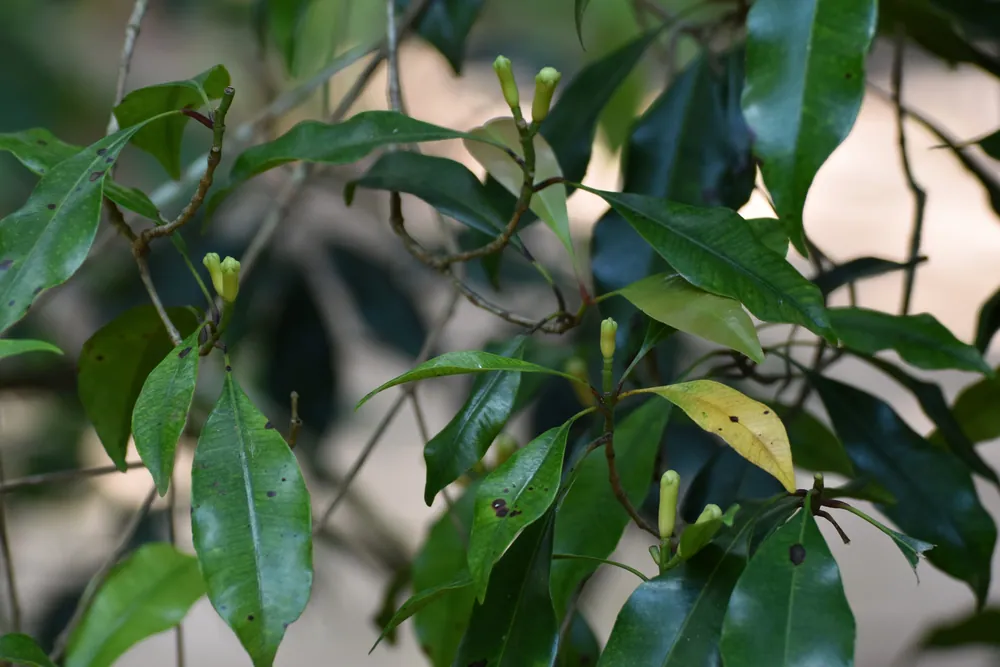
Cloves built the earlier economy and still matter, though the bulk of the crop now comes from Pemba. Spice farms inland from Stone Town — nutmeg, cinnamon, cardamom, pepper, vanilla — are both working farms and a fixture of every visitor's itinerary.
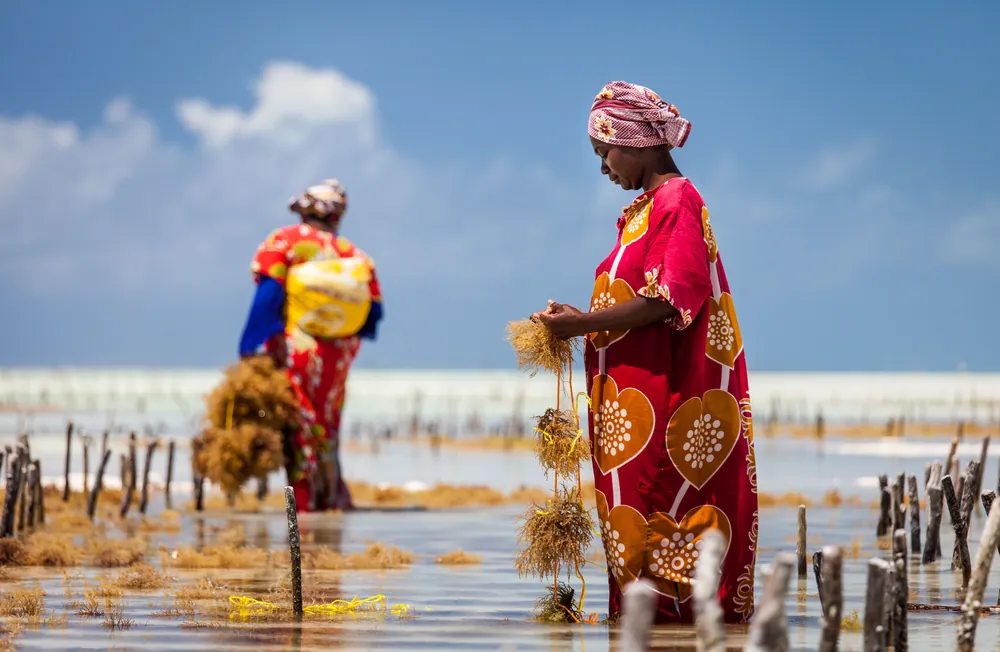
Seaweed farming, introduced in the 1990s, is one of the island's most important sources of cash income for coastal women, who tend lines in the shallows at low tide on the east and south-east coasts. Prices are low and the work is hard; it is worth understanding before buying the soaps and creams made from it.
Reef, forest and the tide
Unguja is overwhelmingly Muslim, and the island's rhythm follows the call to prayer, the monsoon and the tide. Away from the hotel strips, villages dress conservatively and expect visitors to do the same; the difference between a beach and a village street is not obvious to everyone who arrives, and it matters.
The east coast — Paje, Jambiani, Bwejuu — has the widest white sand and the biggest tidal range, which is why it became the island's kitesurfing centre. The north, at Nungwi and Kendwa, has deeper water at all tides and the densest concentration of hotels. The south has Kizimkazi, where boats go out to see dolphins — a trade that is often badly run, with boats chasing and crowding the animals; choose an operator that keeps its distance, or skip it.
Inland, Jozani-Chwaka Bay National Park protects the last substantial groundwater forest on the island and the endemic Zanzibar red colobus, one of Africa's rarest monkeys. Between the forest, the reef and the city, the island is far more varied than its beach reputation suggests.
Towns, parks and places across Unguja, Zanzibar
World Heritage city
Stone Town
The old city on the western shore: carved doors, the seafront, the market and the museums.
National park
Jozani-Chwaka Bay National Park
Groundwater forest, mangrove boardwalk and the endemic Zanzibar red colobus.
Beaches
Nungwi and Kendwa
The northern tip: deep water at all tides, dhow building at Nungwi, and the island's busiest beach hotels.
Beaches
Paje, Jambiani and Bwejuu
The east coast: wide sand, a big tidal range, seaweed farms and kitesurfing.
Village & heritage
Kizimkazi
The 1107 mosque at Dimbani, and the dolphin boats — choose carefully.
Working farms
The spice farms
Kizimbani, Kidichi and others inland from the city — cloves, nutmeg, cinnamon and cardamom.
Informational — none of this is ticketed by us
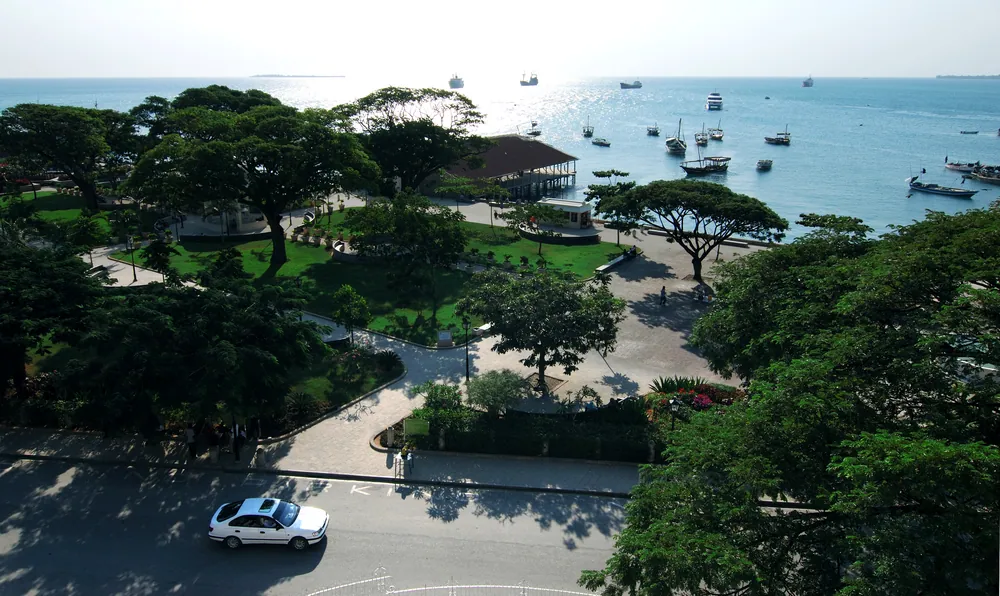
World Heritage
Stone Town
Inscribed in 2000. Walk it early or late; the detail is in the doors, the alleys and the seafront.
Heritage
Kizimkazi Dimbani mosque
The oldest dated Islamic building on the East African coast, its inscription cut in 1107. Dress modestly; it is a working mosque.

National park
Jozani forest
Red colobus at close range, and a boardwalk through the mangroves. Keep the required distance from the monkeys.
Beaches
The north coast
Nungwi and Kendwa — swimming at any tide, dhows under construction on the sand.
Working farms
A spice farm
Half a day inland: cloves, nutmeg and cinnamon growing, and the trade that built the islands.
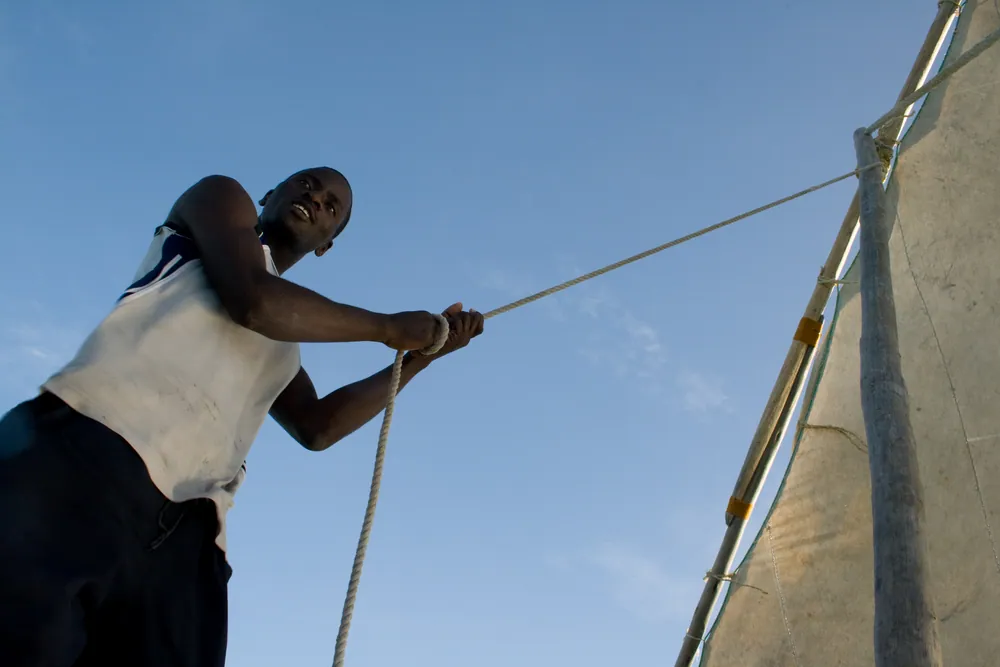
On the water
Sailing a dhow
The traditional rig is still working, not a museum piece. Sunset sailings run from most beaches.
Before you go
- Getting there
- Abeid Amani Karume International Airport takes international and domestic flights, and fast ferries cross from Dar es Salaam in about two hours.
- Getting around
- Taxis, minibuses and hired drivers. A temporary Zanzibar driving permit is required to drive yourself — see the vehicle-hire page.
- When to come
- June to October is dry and breezy; December to February is hot and calm. The long rains run March to May.
- Respect
- Cover shoulders and knees away from the beach, ask before photographing people, and be discreet with alcohol outside hotels.
- Ramadan
- During Ramadan many local restaurants close by day. Hotels continue to serve, but eating and drinking in public is not done.
- Money
- Shillings; US dollars are widely quoted in tourism. ATMs in Stone Town and the main resorts.
Last reviewed 2026-09-17
Editorial — fact-check complete
Checked against
- 2022 Population and Housing Census — administrative unitsNational Bureau of Statistics, Tanzania
- Stone Town of Zanzibar — World Heritage ListUNESCO
- Kizimkazi Mosque — the 1107 Kufic inscriptionWikipedia
- Unguja — area, regions, economyWikipedia
- Jozani-Chwaka Bay National Park and the Zanzibar red colobusZanzibar Department of Forestry and Non-Renewable Natural Resources