The Zanzibar Revolution
A month after independence, on the night of 11–12 January 1964, a few hundred men with spears and machetes overthrew the Sultan of Zanzibar in a matter of hours. The revolution ended the rule of Zanzibar's sultans, cost thousands of lives, and led within three months to the union that made Tanzania.
Edited by Kabeer Dalvi · Updated 15 October 2026
- When
- Night of 11–12 January 1964
- Overthrew
- Sultan Jamshid bin Abdullah
- Led by
- John Okello, with Afro-Shirazi Party fighters
- New state
- People's Republic of Zanzibar and Pemba, under Abeid Karume
- Remembered
- Revolution Day, 12 January, a public holiday
Most of the votes, a minority of the seats
Zanzibar had been a British protectorate since 1890, ruled through a sultan of the Omani dynasty that had made the islands its capital in 1840; that longer story is on Zanzibar: sultanate to revolution. Three parties competed as independence approached. The Afro-Shirazi Party (ASP), led by Abeid Karume, drew its support mainly from Zanzibar's African majority. The Zanzibar Nationalist Party (ZNP) was associated with the Arab elite, and the Zanzibar and Pemba People's Party (ZPPP) was strongest on Pemba.
The elections kept producing the same result. In June 1961 the ASP won the most votes but only 10 of 23 seats. In July 1963, the last election before independence, it won 54% of the vote but only 13 of 31 seats. The ZNP and ZPPP formed the government, with Muhammad Shamte Hamadi as prime minister.
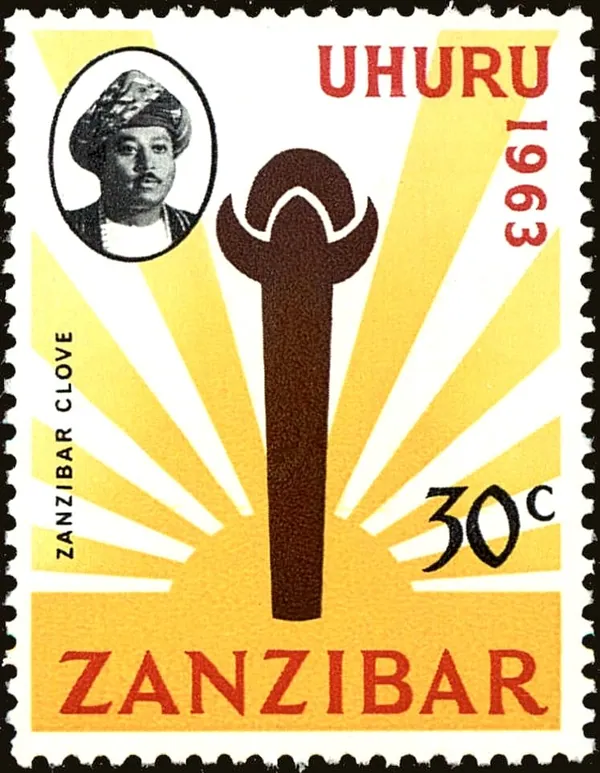
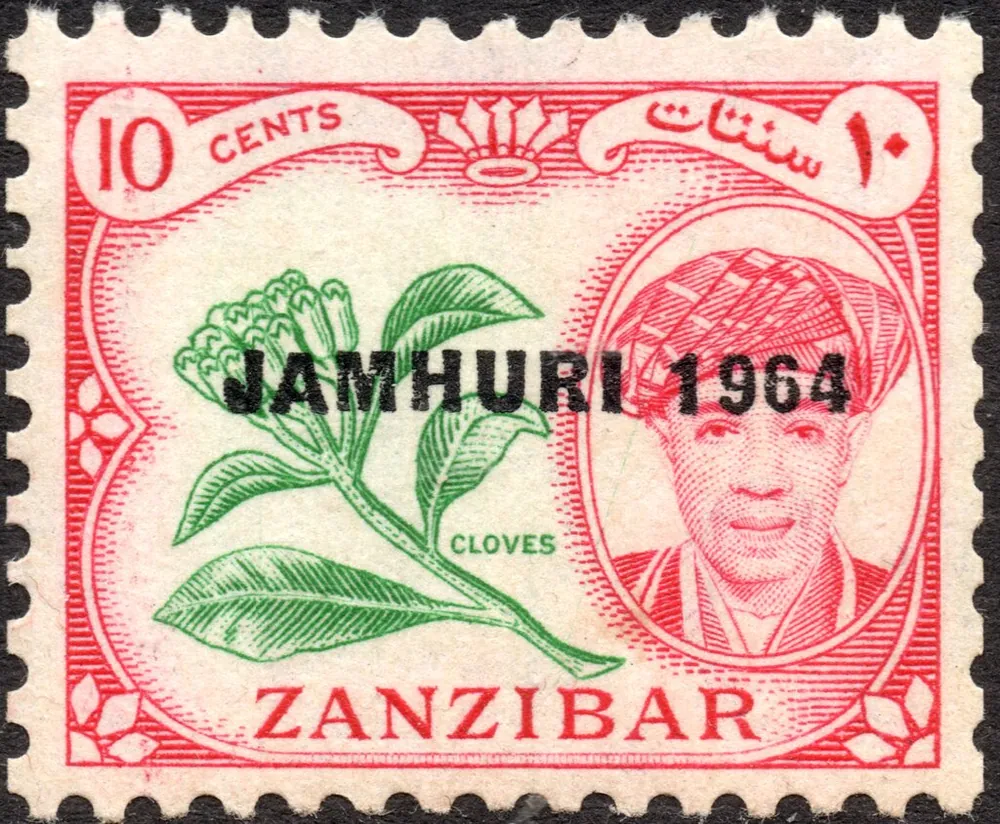
Jamshid bin Abdullah became sultan on 1 July 1963, and Zanzibar became independent on 10 December 1963. Britain turned down the new government's request for a British battalion to keep order. The government had also dismissed the policemen who came from the mainland, which left a group of trained former policemen who knew the police stations and the armouries.
The night of 12 January
The attack began at about 3 a.m. on 12 January 1964. Between 600 and 800 men took part, armed with spears, knives and machetes; they had no guns. They went first for the police stations, to take the weapons. John Okello led the attack on the police headquarters at Ziwani, the largest armoury on the island.
With the armoury taken, they seized the radio station. At about 7 a.m. Okello went on air, calling himself "the field marshal" and calling on Africans to rise. Within six hours the rebels held the telegraph office and the main government buildings, and by the afternoon they had the airstrip. The police station at Malindi, by the port, held out until late in the day.
The sultan, the prime minister and members of the cabinet escaped on the royal yacht, the Seyyid Khalifa.
John Okello, the field marshal
Okello was not a Zanzibari. He was born in 1937 in the Lango area of Uganda, was orphaned young and worked his way around British East Africa at odd jobs. He came to Pemba in 1959, joined the Afro-Shirazi Party, and moved to Zanzibar in 1963, where he worked as a house painter and made contact with the party's youth wing. He had no known military experience.
His fame lasted weeks. Karume let him keep his self-given title at first, but on 11 March 1964 Okello was stripped of it and, returning from a trip to the mainland, refused entry to Zanzibar. He was sent on to Tanganyika and Kenya and went home to Uganda with nothing. He disappeared in 1971, last seen in the company of Idi Amin.
The killing, and how many died
The revolution turned into violence against Zanzibar's Arab and South Asian communities, in Stone Town and in the countryside. The New York Times reported on 14 January that at least 80 people had been killed and 200 injured, most of them Arabs, in the fighting itself. Far more died in the days and weeks after.
Nobody counted. Estimates range from several hundred to 20,000; Western newspapers of the time gave 2,000 to 4,000. Okello claimed in his radio speeches to have killed or imprisoned tens of thousands of "enemies", and his broadcasts are thought to have inflated the figures. Thousands of people left the islands, many of them for Oman and Britain.
We give the range of estimates because no reliable count exists. Be wary of any source that states a single figure as fact.
A new government, and the world's reaction
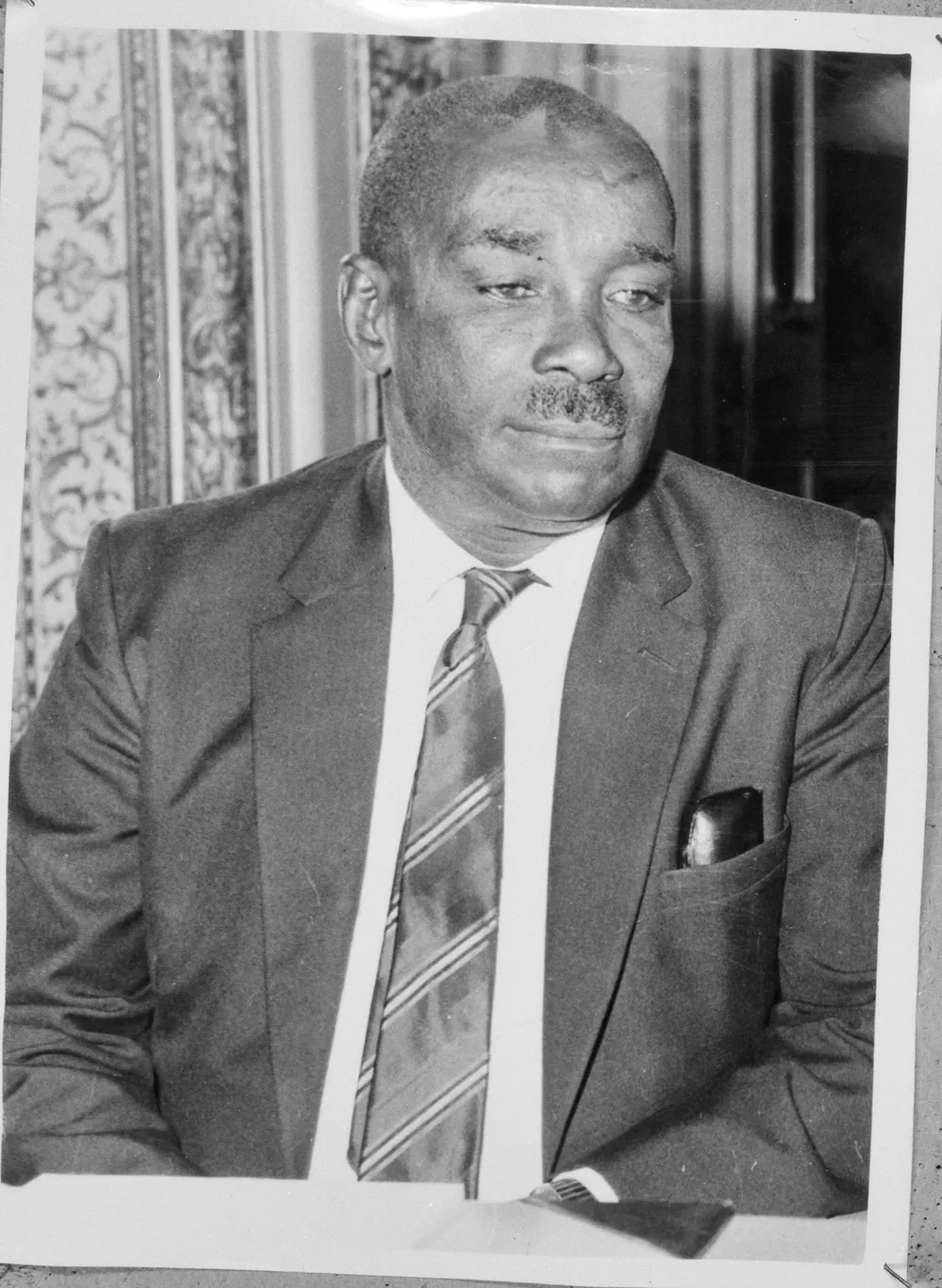
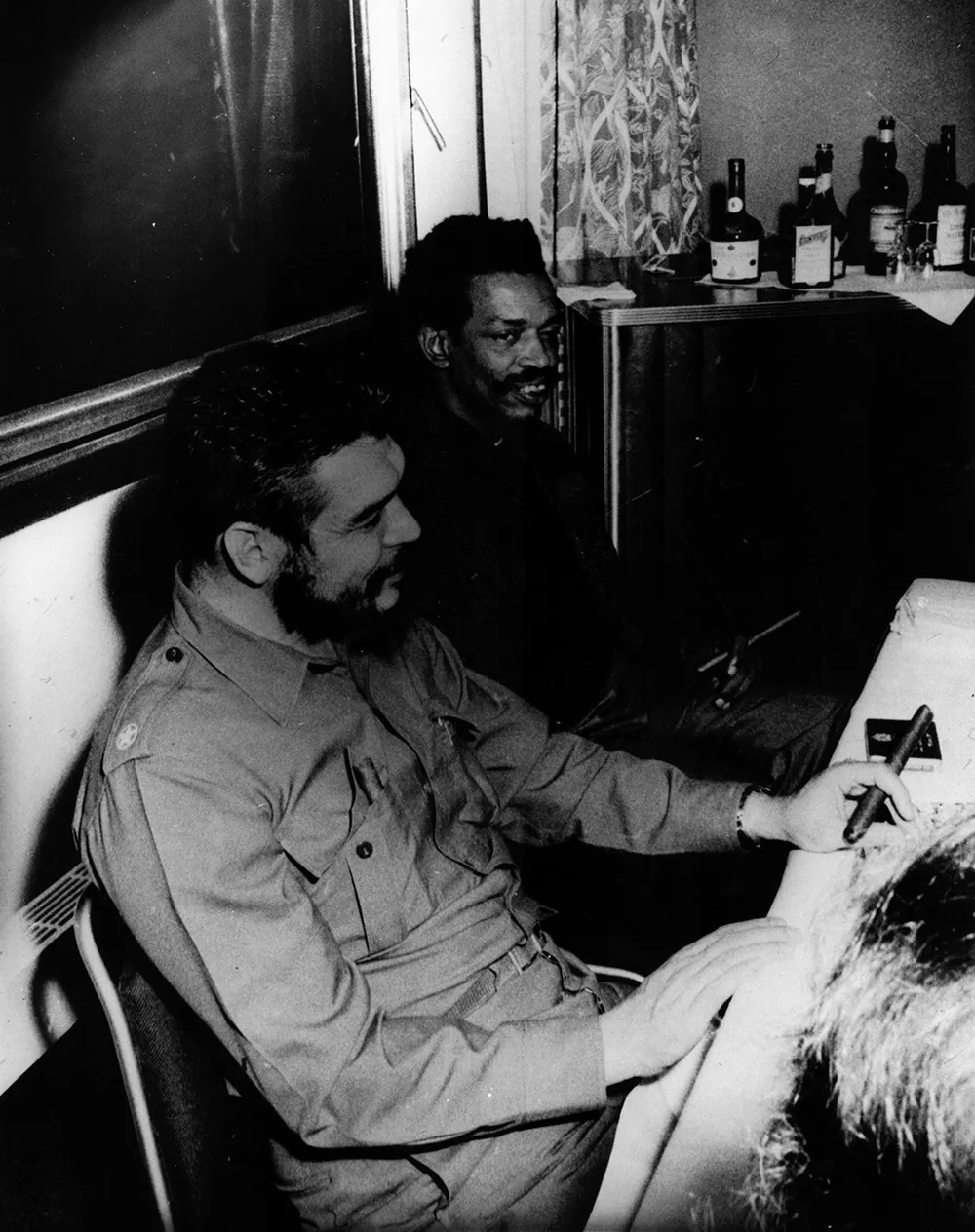
Power passed to a Revolutionary Council of the Afro-Shirazi Party and the small, left-wing Umma Party. Karume became president of the new People's Republic of Zanzibar and Pemba, and the Umma Party's leader, Abdulrahman Babu, became minister of external affairs. The sultan was banished for good, and the ZNP and ZPPP were banned.
East Germany, the Soviet Union and China recognised the new government at once. Britain and the United States waited until 23 February 1964. Britain sent warships, evacuated some of its nationals within days and drew up plans to intervene, none of which was carried out. In the West the fear was that Zanzibar would become a Cold War foothold in East Africa.
Karume's government redistributed land from Arab owners to Africans, made the civil service almost entirely African, and brought in free healthcare and wider access to schooling. It also kept tight control of personal freedom and travel.
From revolution to union
The People's Republic lasted three months. On 26 April 1964 Zanzibar united with Tanganyika, and in October the new country took the name Tanzania. How that deal was made, and what it says, is told on The Union of 1964. Karume became the union's First Vice-President while remaining president of Zanzibar. He was assassinated on 7 April 1972.
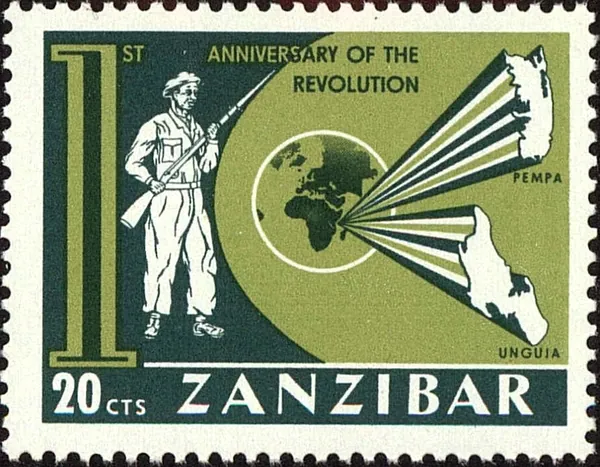
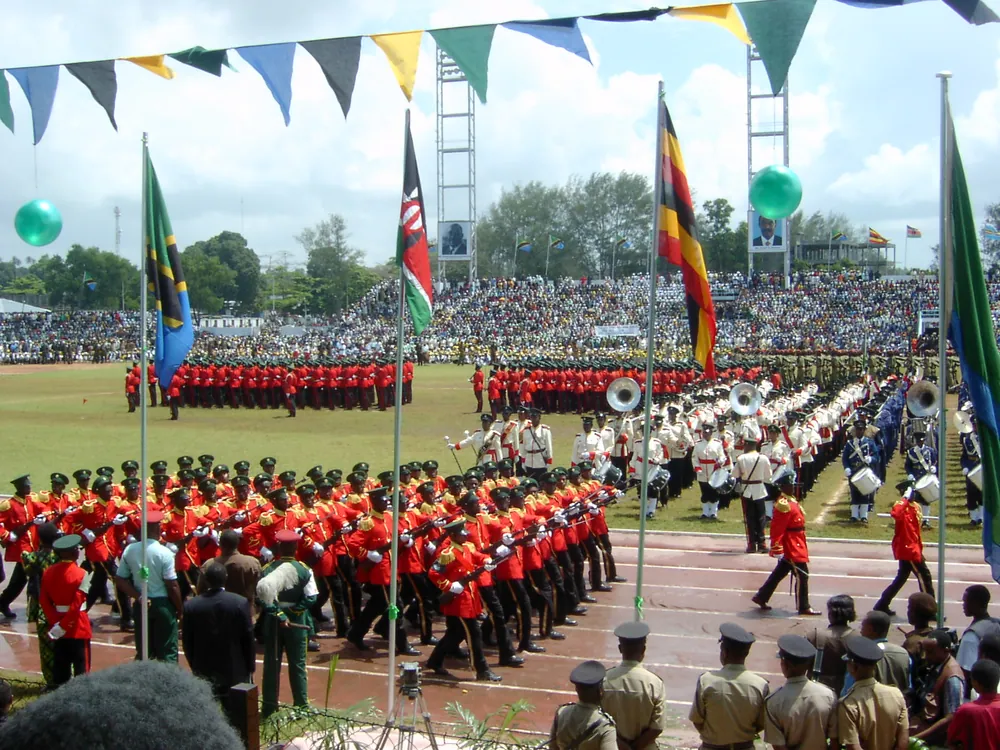
The revolution is still written into the country's institutions. Zanzibar's government is the Revolutionary Government of Zanzibar, and the ruling party, formed in 1977, is Chama cha Mapinduzi, the Party of the Revolution. Revolution Day, 12 January, is a public holiday across Tanzania.
Sultan Jamshid lived in exile in Portsmouth, in England, for more than fifty years. In September 2020 Oman allowed him to return, and he died in Muscat on 30 December 2024, aged 95.
- What was the Zanzibar Revolution?
- The overthrow of the Sultan of Zanzibar on 12 January 1964, a month after independence from Britain, by fighters of the Afro-Shirazi Party led by John Okello. Abeid Karume became president of a new People's Republic of Zanzibar and Pemba, which united with Tanganyika in April 1964.
- Why did the Zanzibar Revolution happen?
- In the July 1963 election the Afro-Shirazi Party, backed mainly by Zanzibar's African majority, won 54% of the vote but only 13 of 31 seats, and a government associated with the Arab minority took Zanzibar to independence. The revolution came a month later.
- Who was John Okello?
- A Ugandan, born in 1937, who came to Pemba in 1959, joined the Afro-Shirazi Party and led the attack of 12 January 1964, calling himself field marshal on the radio. He was barred from Zanzibar on 11 March 1964 and disappeared in Uganda in 1971.
- How many people died in the Zanzibar Revolution?
- No reliable count exists. Estimates range from several hundred to 20,000, most of them Arabs and South Asians killed in the violence that followed the overthrow; Western newspapers at the time reported 2,000 to 4,000.
- What happened to the last Sultan of Zanzibar?
- Sultan Jamshid bin Abdullah escaped on the royal yacht and lived in exile in Portsmouth, England, for more than fifty years. Oman allowed him to return in 2020, and he died in Muscat on 30 December 2024, aged 95.
- Is Zanzibar Revolution Day a public holiday?
- Yes. 12 January is a public holiday across Tanzania.
Last reviewed 15 October 2026
Edited by Kabeer Dalvi
Checked against