Pemba
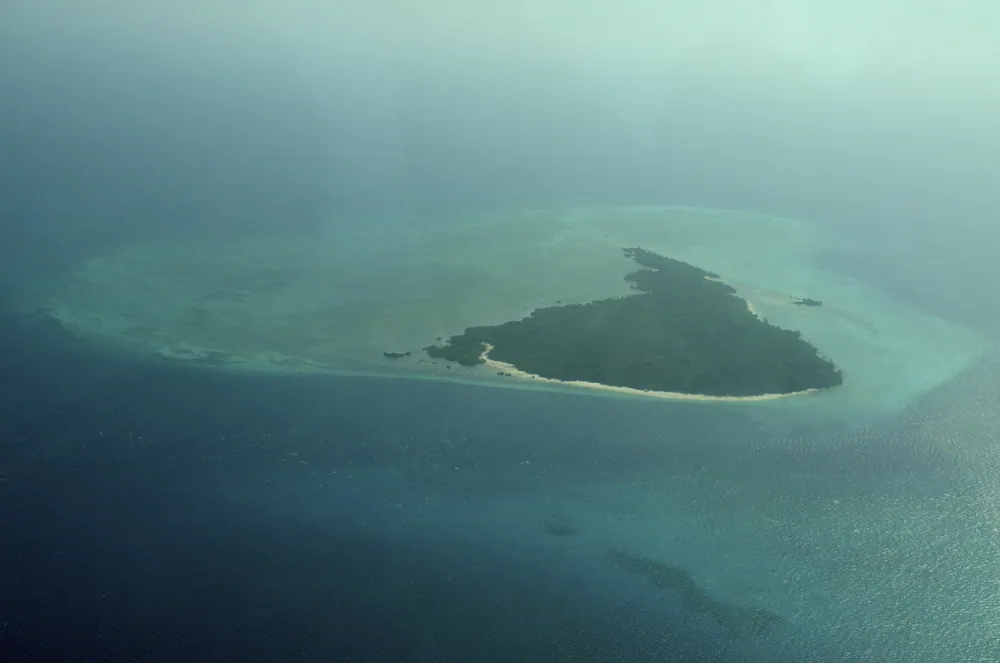
The other Zanzibar island — greener, hillier, far less visited, and carrying three and a half million clove trees and the best wall diving in East Africa.
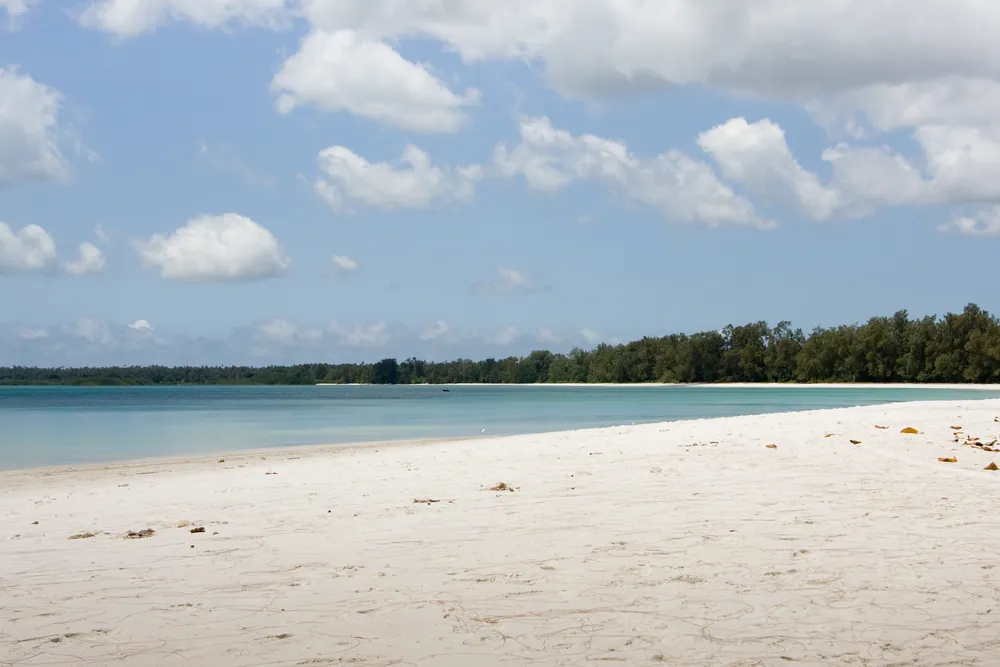
Vumawimbi beach on the north coast. Pemba's beaches are emptier than Unguja's by an order of magnitude.
- Region
- Zanzibar Archipelago, 50 km north of Unguja
- Area
- 988 km²
- Population
- 543,441 (2022 census)
- Known as
- Al-Jazīra al-Khadrā — the green island
- Airport
- Pemba (Karume) Airport, PMA
A thousand years of trading, and one fortress
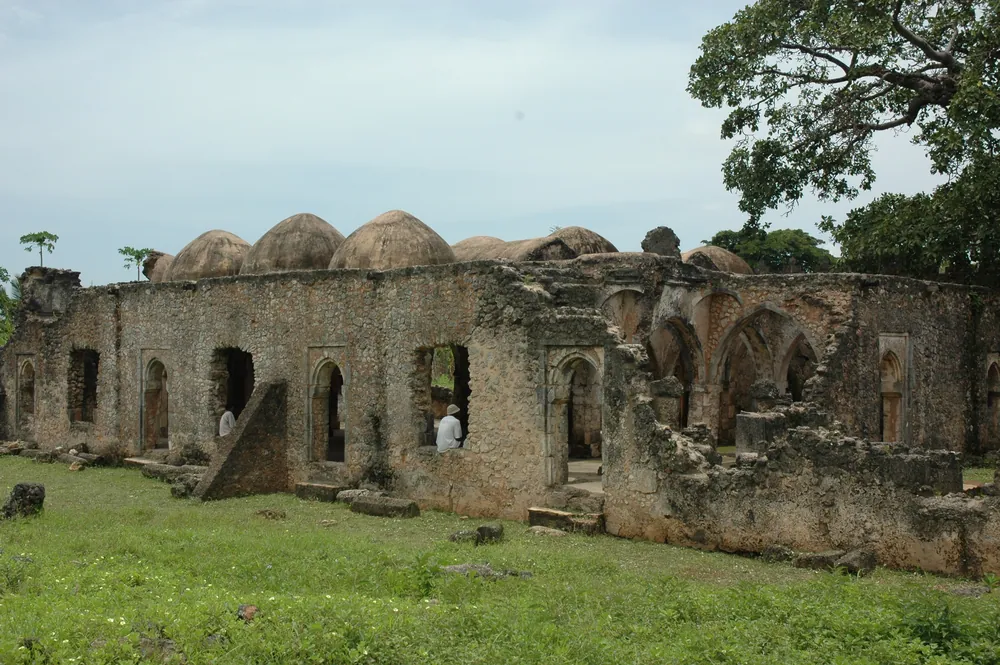
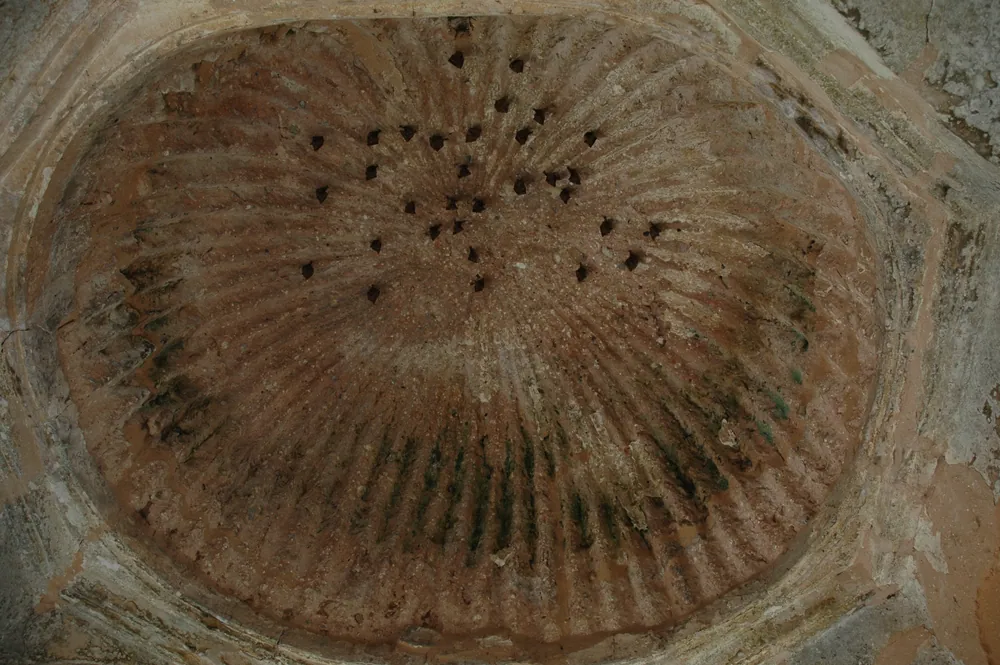
Pemba has been part of the Swahili coast trading system since at least 600 AD, and the archaeology across the island is dense — settlements, mosques and tombs at Ras Mkumbuu, Chwaka, Mtambwe Mkuu and elsewhere. Ras Mkumbuu, on a long peninsula reaching west, holds the Ndagoni ruins, probably fourteenth century, including a substantial mosque and pillar tombs.
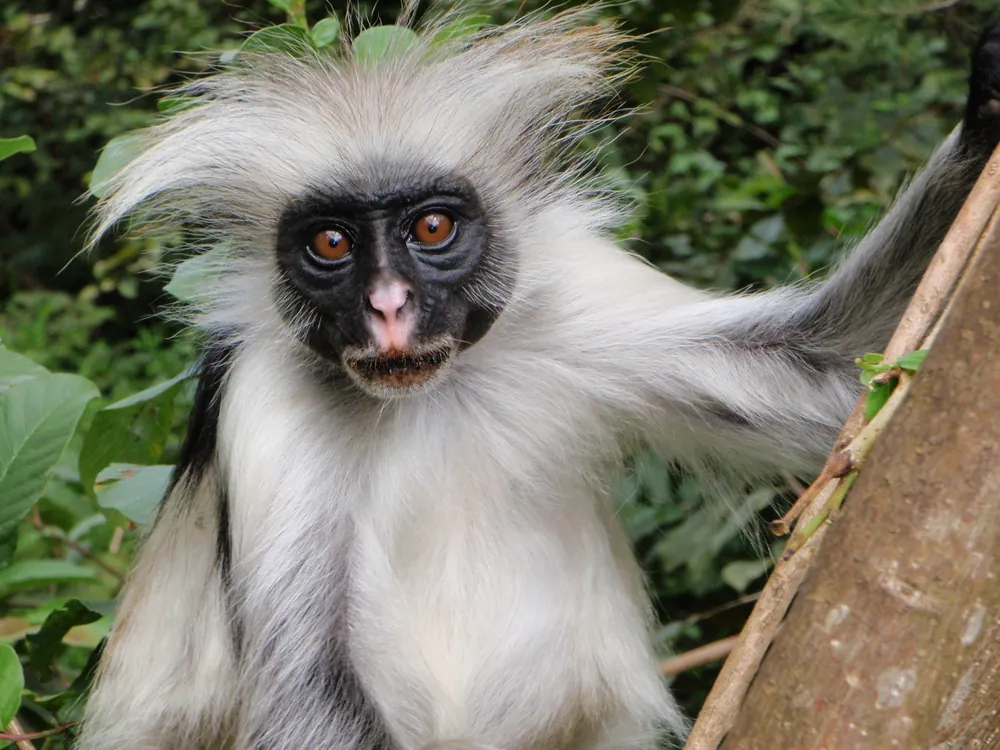
The strangest site is Pujini, in the south-east: the Mkama Ndume ruins, dated to the fifteenth century and the only known early fortification anywhere on the Swahili coast. Earthworks and defensive walls are simply not what coastal Swahili towns built — they were merchant cities, not fortresses — which is why Pujini has attracted so much archaeological argument. Local tradition attributes it to a tyrannical ruler whose nickname, Mkama Ndume, means something close to 'squeezer of men'.
The later history follows Unguja's: Portuguese presence in the sixteenth century, then Omani rule, then the British protectorate, then the 1964 revolution and union with Tanganyika. But Pemba's politics have consistently run differently from Unguja's, and that divergence is still live in Zanzibari elections. Visitors will not see it, but it is worth knowing that Pemba is not simply a quieter version of the main island.
Cloves, and the fishing channel
What the island produces
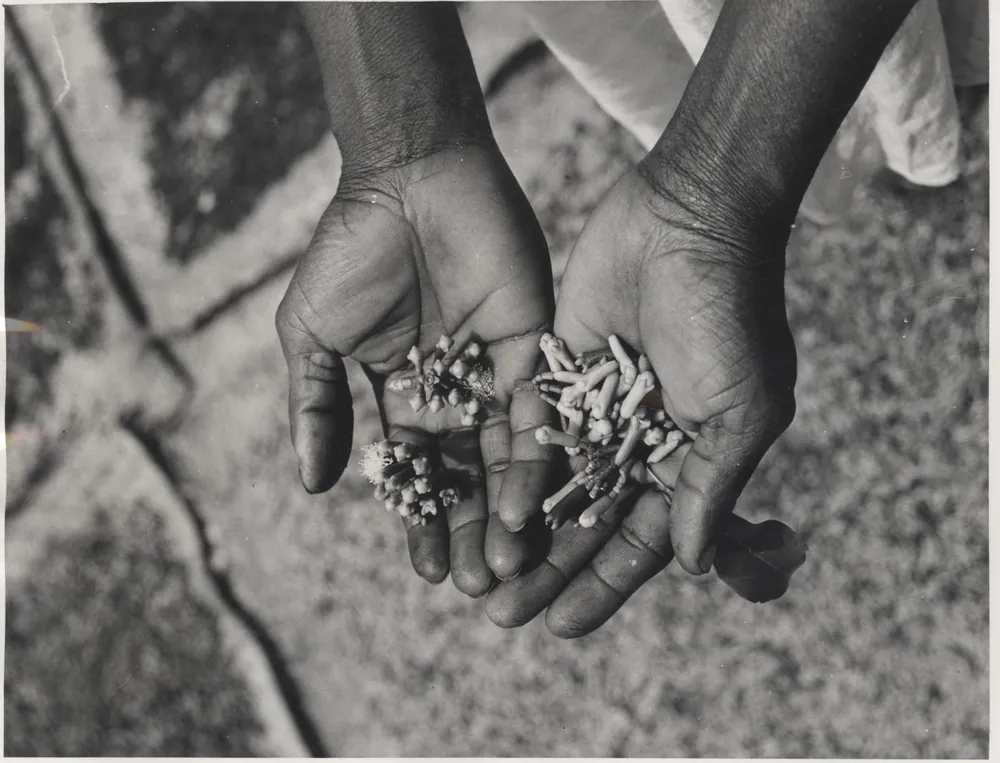
- Cloves
- About 3.5 million trees — most of Zanzibar's crop
- Fishing
- The Pemba Channel, and game fishing
- Seaweed
- Farmed in the shallows
- Fruit & cassava
- The island is fertile enough to feed itself
- Tourism
- Small, diving-led, and deliberately so
Pemba is the clove island. Around 3.5 million clove trees grow here — the great bulk of the archipelago's crop, and the reason the island smells the way it does in harvest season, when the buds are laid out to dry on mats along the roadsides. A tree takes years to come into bearing and can then produce for over fifty years, which makes clove farming a long, patient, generational business, and makes the state marketing board's pricing a permanent local grievance.
The soil is why. Pemba is hillier and wetter than Unguja, with deep red soils that support not just cloves but dense fruit, cassava and rice — the Arabic name al-Jazīra al-Khadrā, the green island, is accurate rather than poetic. It is agriculturally self-sufficient in a way Unguja is not.
The other economy is the sea. The Pemba Channel between the island and the mainland drops steeply to great depth and is among the most productive game-fishing grounds on the Swahili coast. Misali Island, off the west coast, is a marine conservation area managed with the fishing communities who use it.
Walls, reefs, and a reputation for magic
Pemba has long carried a reputation across East Africa as a centre of traditional medicine and of magic — uganga and its darker relative — drawing people from the mainland and from as far as the Great Lakes to consult practitioners here. It is spoken of half-seriously and half-nervously, and it is a genuine part of how the island is regarded rather than a tourist story. Visitors are unlikely to encounter it and should not go looking.
What visitors do come for is the diving, and the consensus among people who dive this coast is that Pemba is the best of it. The Pemba Channel's steep drop-offs mean walls rather than the shallow reef gardens of Unguja: coral in unusually good condition, dramatic topography, and pelagic fish coming in off deep water. It is not beginner diving and it is not crowded.
Ngezi Forest Reserve in the north protects the last significant block of indigenous forest, holding the Pemba flying fox — a large fruit bat found nowhere else — and the endemic Pemba scops owl. The island's culture otherwise is Swahili, Muslim, agricultural and conservative, with markedly fewer visitors than Unguja and a correspondingly different reception: more curiosity, less transaction.
Towns, parks and places across Zanzibar Archipelago
Town
Chake Chake
Pemba's administrative and commercial capital, on Chake Chake Bay, with the Pemba Museum and the island's airport close by.
Town
Wete
Capital of Pemba North and historically the island's main port, in clove country.
Port
Mkoani
In Pemba South; the usual arrival point for ferries from Unguja.
Informational — none of this is ticketed by us
Diving
Diving the Pemba Channel
Steep walls, healthy coral, big fish. Widely rated the best diving in East Africa, and not for beginners.
Marine reserve
Misali Island
A small island with reef on three sides and a conservation model built with local fishers.
Archaeology
Ras Mkumbuu ruins
Fourteenth-century mosque and pillar tombs on a long western peninsula. Best reached by boat.
Archaeology
Pujini — Mkama Ndume
Fifteenth-century earthworks, and the only known early fortification on the whole Swahili coast.
Forest
Ngezi Forest Reserve
The last indigenous forest block, and home to the endemic Pemba flying fox and scops owl.
Coast
Vumawimbi beach
A long empty stretch on the north coast, backed by forest. Almost nobody there.
Before you go
- Getting there
- Flights from Zanzibar, Dar es Salaam and Arusha to Karume Airport at Chake Chake. Ferries run from Unguja but are slower and weather-dependent.
- Getting around
- Limited. Lodges arrange transfers; taxis and dala-dalas otherwise. Distances are short but roads are slow.
- When to come
- June to October and December to February. Diving visibility is best in the drier months; the long rains, March to May, close most lodges.
- Diving
- Bring certification. Several sites suit experienced divers only, and currents in the channel are serious.
- Respect
- More conservative than Unguja. Cover shoulders and knees everywhere except the beach, and ask before photographing.
- Separate jurisdiction
- Pemba is part of Zanzibar, which administers its own tourism and immigration. Keep your passport with you.
Last reviewed 2026-09-14
Editorial — fact-check complete
Checked against
- Pemba Island — area, population, cloves, Pujini and Ras MkumbuuWikipedia
- Zanzibar tourism information and licensingZanzibar Commission for Tourism
- 2022 Population and Housing Census resultsNational Bureau of Statistics, Tanzania
- Misali Island conservation areaZanzibar Department of Forestry and Non-Renewable Natural Resources
- Chake-ChakeWikipedia
- WeteWikipedia