Skip to content
See You
Tanzania
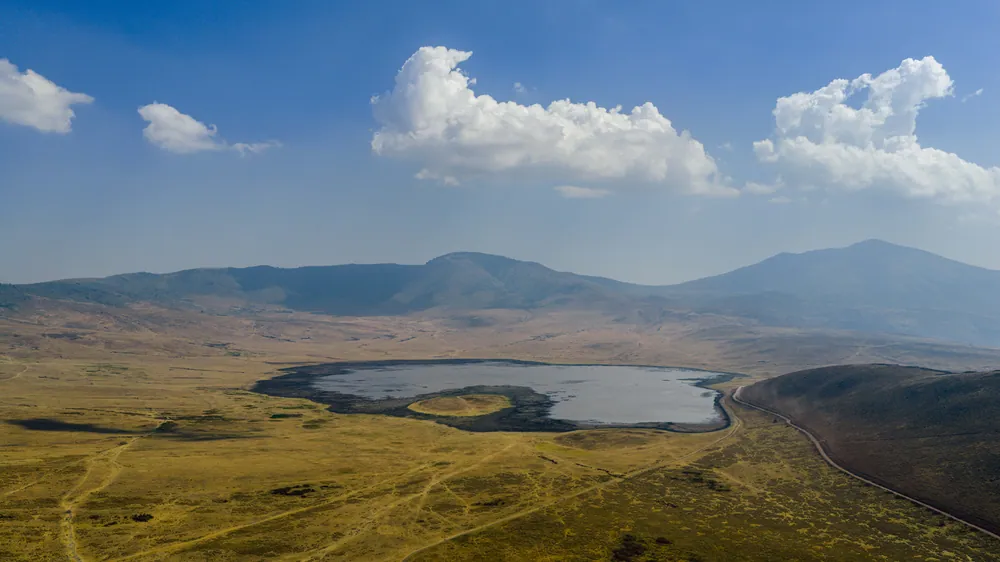
The floor of the Ngorongoro Crater seen from the rim

The World Heritage Sites of Tanzania

Seven places in Tanzania are on UNESCO's World Heritage List: the migration plains, Africa's highest mountain, a caldera holding four million years of human history, two medieval port cities, a Swahili old town and rock paintings still used in ritual today.

Ngorongoro Crater, inscribed in 1979, and Tanzania's first World Heritage Site.

7

Sites inscribed

Since 1979, most recently 2006

3

Natural

Serengeti, Selous, Kilimanjaro

3

Cultural

Kilwa, Stone Town, Kondoa

1

Mixed

Ngorongoro, for nature and culture

What the listing means

A World Heritage Site is a place UNESCO's World Heritage Committee judges to be of outstanding universal value: important to humanity as a whole, not only to the country it is in. Each site is listed under one or more of ten criteria, six cultural and four natural, and the country agrees to protect it.

Each site below links to our full page on it, where you will find the UNESCO detail alongside the practical guide.
  1. 01Mixed · inscribed 1979

    Ngorongoro Conservation Area

    Arusha Region · 8,094 km²

    Listed first for nature: the crater, the year-round density of wildlife, black rhino, and the migration crossing its northern plains. In 2010 it was also recognised for culture, for the evidence of human evolution found at Olduvai Gorge and Laetoli. It is one of the few places on the list recognised for both.

  2. 02Cultural · inscribed 1981

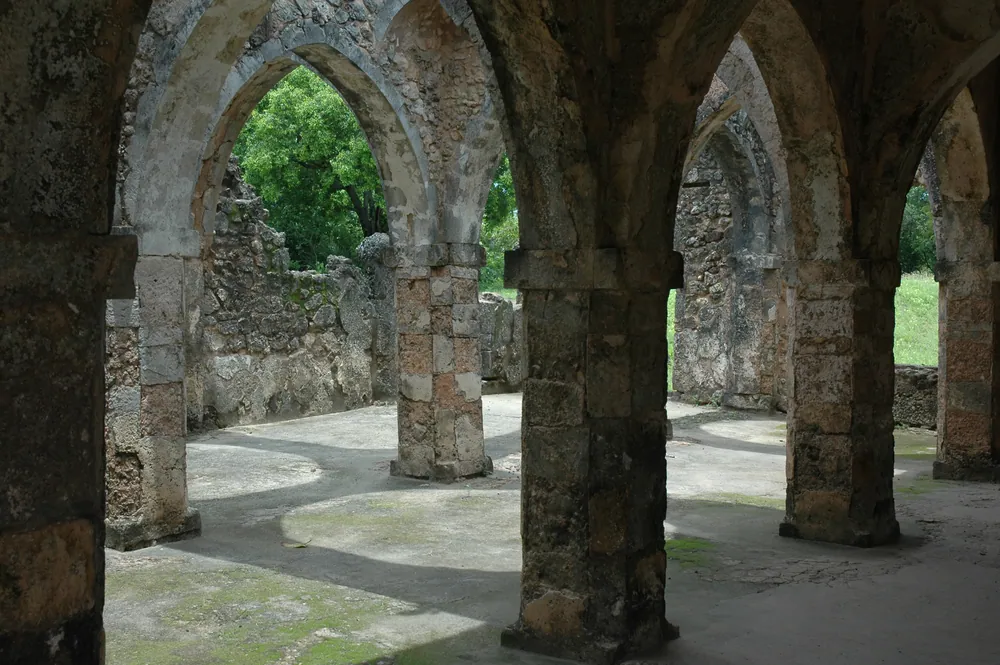
    Ruins of Kilwa Kisiwani and Ruins of Songo Mnara

    Lindi Region

    The remains of two Swahili port cities on neighbouring islands, which controlled much of the Indian Ocean trade from about the 13th to the 16th century. They show how Swahili culture, Islam and long-distance trade spread along the East African coast.

  3. 03Natural · inscribed 1981

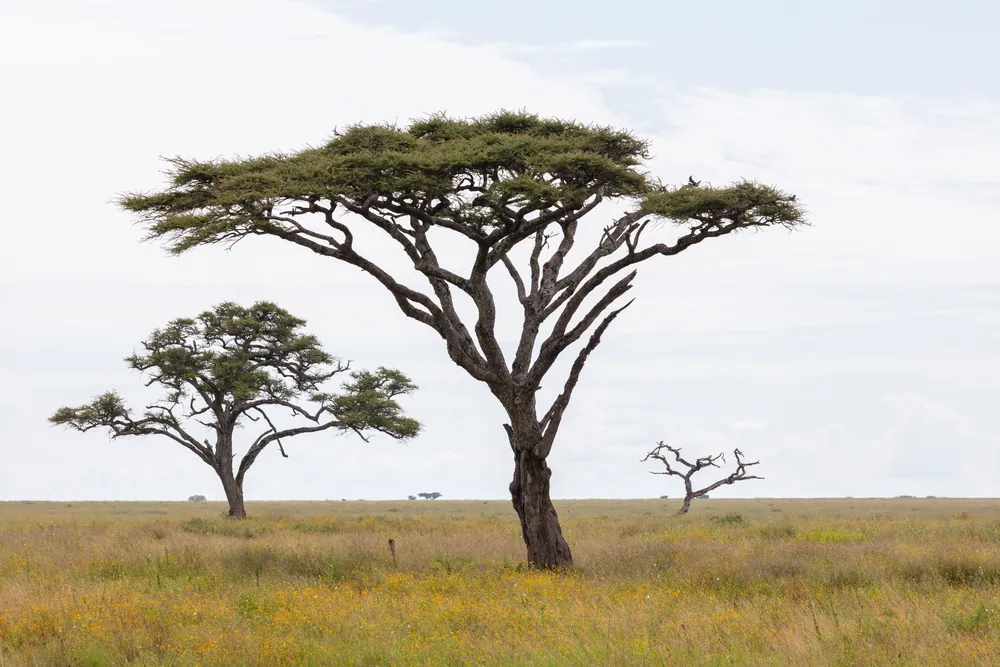
    Serengeti National Park

    Mara, Simiyu and Arusha regions · 14,763 km²

    For the largest unaltered animal migration left in the world, set on the 'endless plains', and for holding one of the greatest concentrations of large predators and grazing animals on earth.

  4. 04Natural · inscribed 1982In danger

    Selous Game Reserve

    Pwani, Morogoro, Lindi, Mtwara and Ruvuma regions · 51,200 km²

    One of the largest remaining wilderness areas in Africa, and a globally important example of miombo woodland. UNESCO lists it for the scale of its wildlife and the unusual range of its habitats.

  5. 05Natural · inscribed 1987

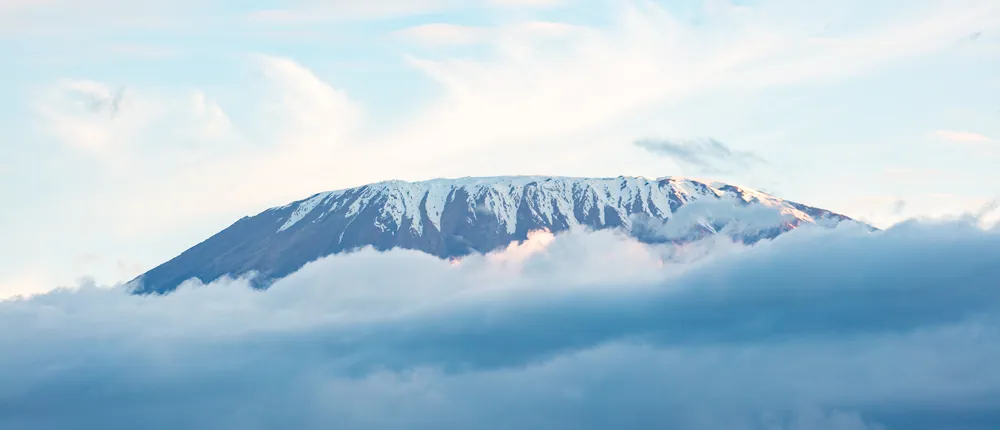
    Kilimanjaro National Park

    Kilimanjaro Region · 756 km²

    For the mountain itself: the highest in Africa and the largest free-standing volcanic mass in the world, snow-capped and standing alone above the plains.

  6. 06Cultural · inscribed 2000

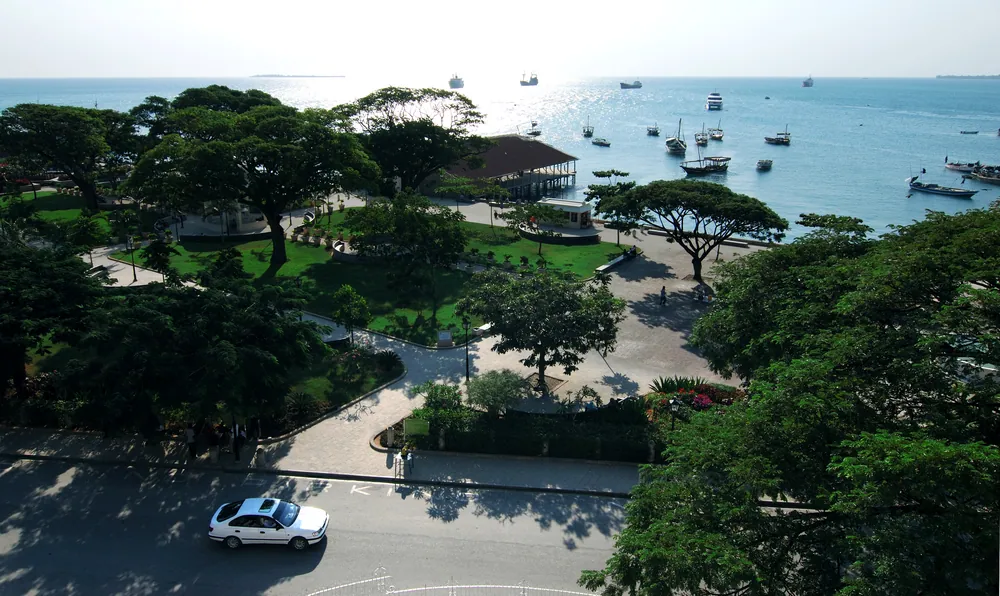
    Stone Town of Zanzibar

    Zanzibar · 96 hectares

    An outstanding example of a Swahili trading town, its streets and buildings almost intact, mixing African, Arab, Indian and European traditions built up over more than a thousand years. It is also listed for its place in the ending of the slave trade.

  7. 07Cultural · inscribed 2006

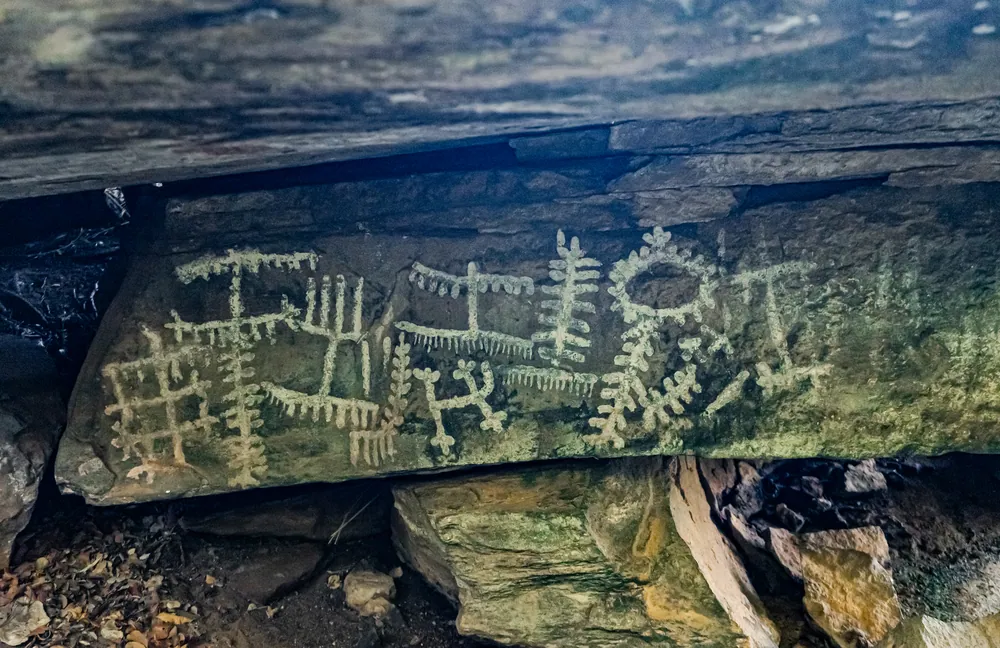
    Kondoa Rock-Art Sites

    Dodoma Region · 2,336 km²

    Painted rock shelters made over at least two thousand years by hunter-gatherer and later farming and herding peoples. Some are still used by local communities for rainmaking, divining and healing, which ties the paintings to living tradition.

World Heritage in Danger

UNESCO moves a site to its danger list when the qualities it was listed for are under serious threat. Three Tanzanian sites have been on it; two have since been taken off.

  1. 19841989

    Ngorongoro

    Listed for poaching and encroachment by farming; removed in 1989.

  2. 20042014

    Kilwa Kisiwani and Songo Mnara

    Listed for decay, with parts of the ruins collapsing; removed in 2014.

  3. 2014now

    Selous

    Listed for poaching, which cut elephant and rhino numbers by almost 90% since 1982. It remains on the danger list.

The Tentative List

Put forward, not yet inscribed

A country's Tentative List names the places it may nominate in future. Being on it is not World Heritage status, and some entries wait decades.

Common questions
How many UNESCO World Heritage Sites does Tanzania have?
Seven: three natural (Serengeti, Kilimanjaro and the Selous Game Reserve), three cultural (Kilwa Kisiwani and Songo Mnara, Stone Town of Zanzibar, and the Kondoa rock art) and one mixed, the Ngorongoro Conservation Area.
Which was Tanzania's first World Heritage Site?
The Ngorongoro Conservation Area, inscribed in 1979. The ruins of Kilwa Kisiwani and Songo Mnara and the Serengeti followed in 1981.
Is Zanzibar a UNESCO World Heritage Site?
Stone Town is, not the whole island. The listed area is the 96-hectare old town on the western shore of Unguja, inscribed in 2000.
Is Mount Kilimanjaro a World Heritage Site?
Yes. Kilimanjaro National Park was inscribed in 1987 as a natural site, for the mountain: the highest in Africa and the largest free-standing volcanic mass in the world.
Are any Tanzanian sites on the List of World Heritage in Danger?
The Selous Game Reserve has been on the danger list since 2014 because of poaching. Ngorongoro (1984–1989) and Kilwa (2004–2014) were listed in the past and later removed.