Udzungwa Mountains
National Park · TANAPA
Rainforest, waterfalls and primates found nowhere else on earth.
Edited by Kabeer Dalvi
- Area
- 1,990 km²
- Established
- 1992
- Region
- Iringa and Morogoro regions
- Best time
- June–October; the falls are fullest after the rains
Wildlife
- Udzungwa red colobus
- Sanje mangabey
- Grey-faced sengi
- Elephant
- Duiker
- Forest birds
Udzungwa is not a game-drive park. There is essentially one road; the park is explored on foot, which makes it the odd one out on this list and the reason ecologists rate it far above its visitor numbers.
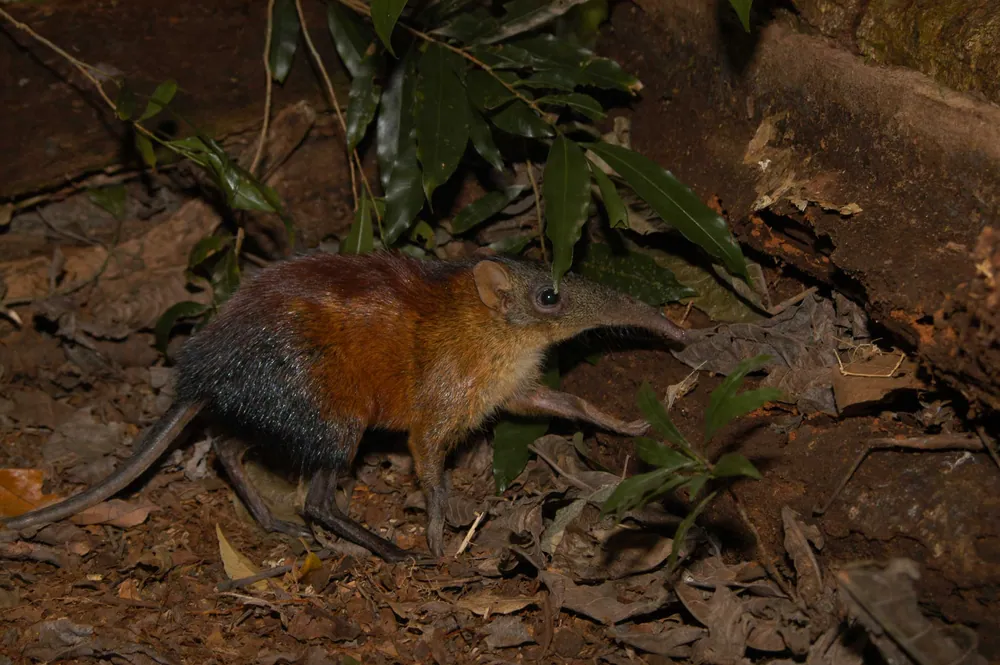
It protects the Udzungwa range of the Eastern Arc Mountains, a chain of ancient crystalline ranges, and TANAPA calls it the Galápagos of Africa for the endemism the isolation has produced. The park runs from about 250 metres up to roughly 2,580 at the summit of Luhombero, and species keep being described: the Udzungwa red colobus and the Sanje mangabey live nowhere else, and the grey-faced sengi — a forest elephant-shrew the size of a small rabbit — was new to science as recently as 2008.
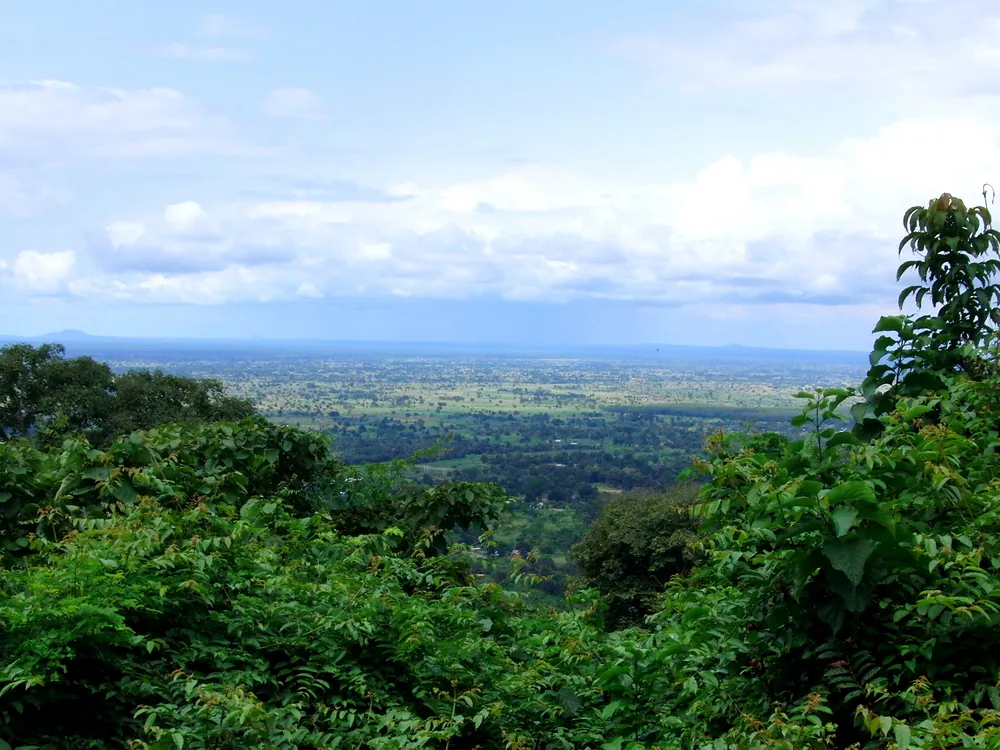
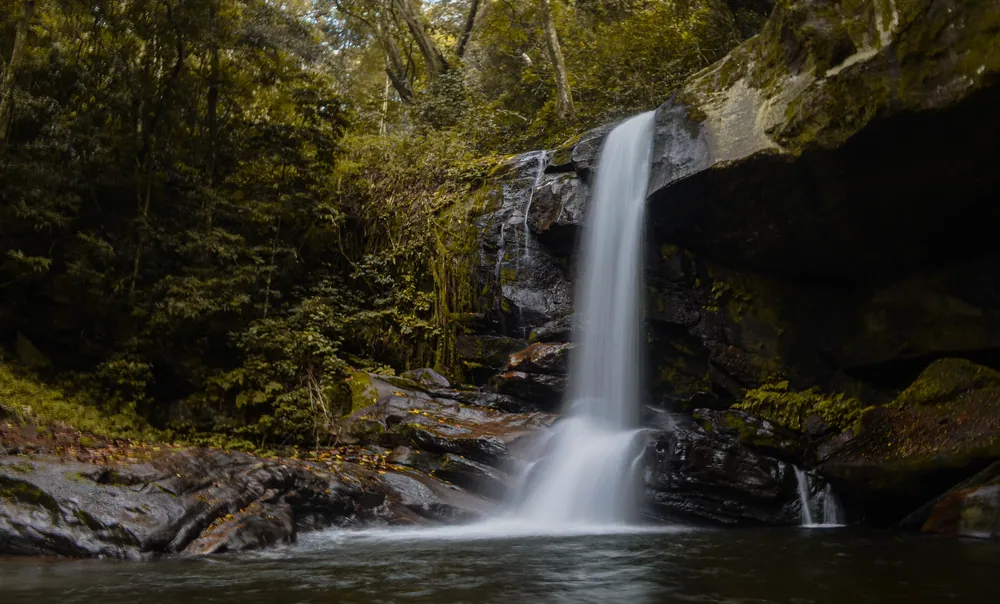
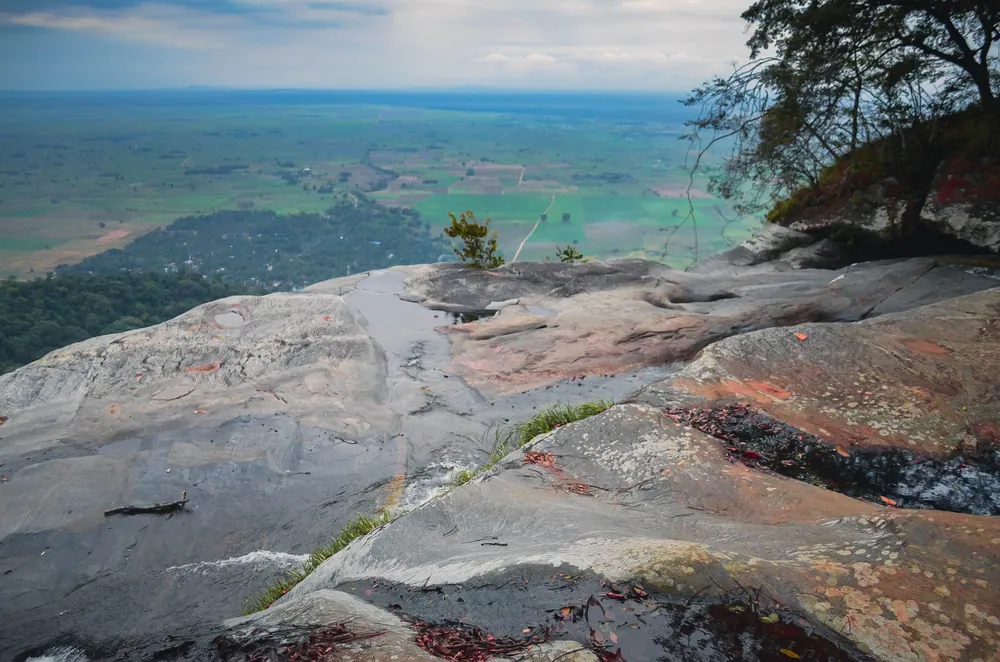
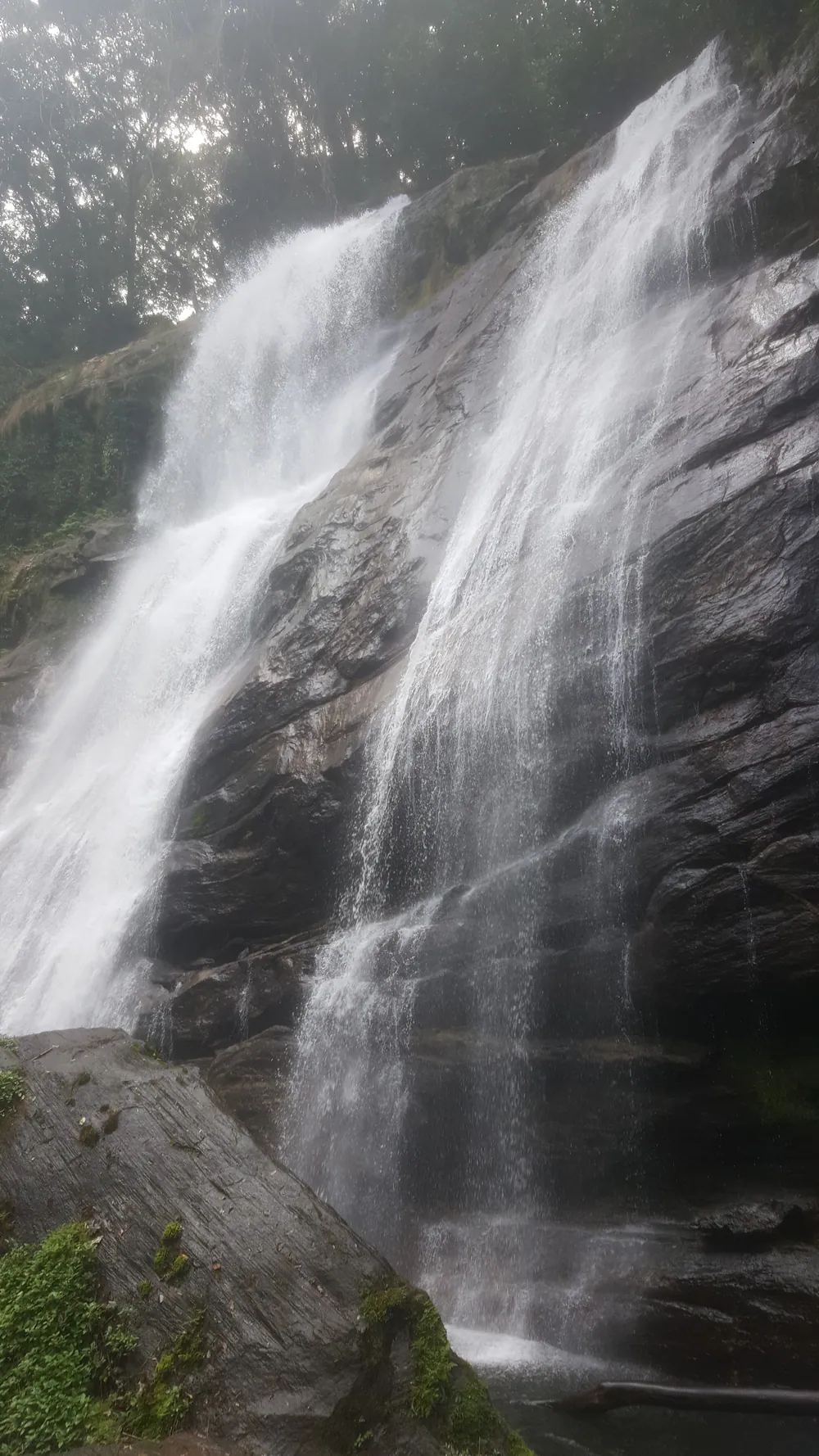
The standard walk is to the Sanje Falls, a tall cascade reached in a half-day climb through forest, with a swimming pool at the base and a view out over the sugar estates of the Kilombero valley. Longer routes run several days across the plateau.
Sanje Falls
Half a day up through forest, with a pool at the bottom.
Udzungwa red colobus
Endemic to these mountains and reliably seen on the lower trails.
Mwanihana trail
Two or three days to the escarpment top, camping on the way.
Eastern Arc endemism
Plants and animals that exist here and in no other forest.
About 380 km from Dar es Salaam by road, via Mikumi. The TAZARA railway stops at Mang'ula, close to the park gate, and charter flights use the Msolwa and Kilombero airstrips.
The Udzungwa range is the largest of the Eastern Arc Mountains, a chain of ancient ranges running from south-eastern Kenya down through Tanzania. Its uplift began some 30 million years ago, and the range catches moisture blowing in from the Indian Ocean, so it is far wetter than the lowlands around it. So many species here are found nowhere else that TANAPA calls the park a centre of endemism and the "Galápagos of Africa".
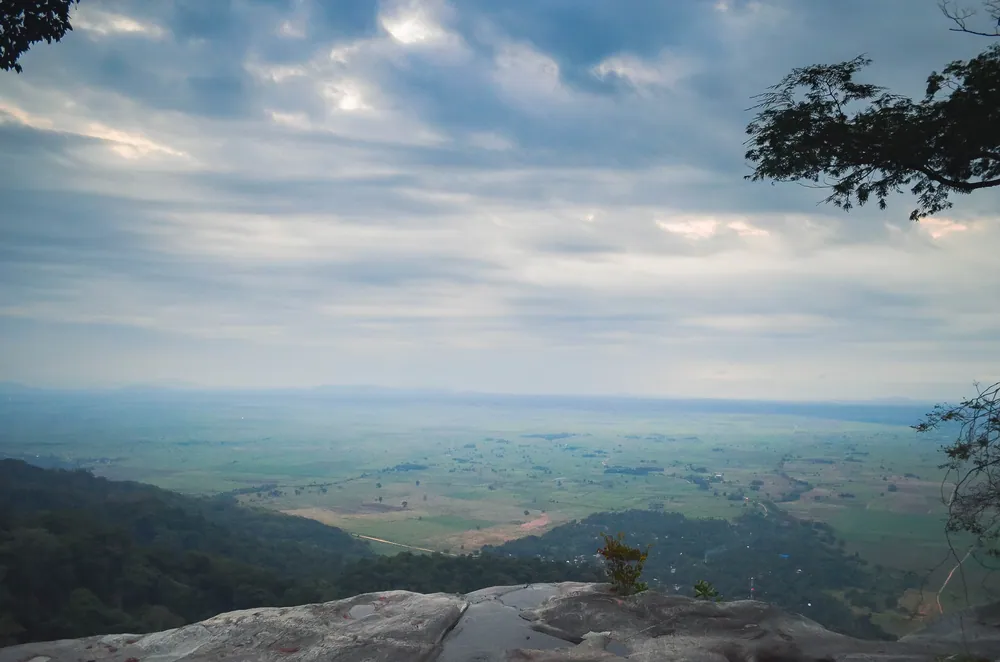
The park was gazetted in 1992 and covers 1,990 km² of the range. It climbs from about 250 metres on the eastern foothills to roughly 2,580 metres at Luhombero, the highest peak, passing through lowland rainforest, montane forest, miombo woodland, grassland and, at the top, heath and moorland.
The mountains are also a water tower. TANAPA lists the rivers that rise in the park's forest — the Lumemo, Mkula, Sonjo, Mwaya, Msosa, Lofia and Ruipa among them — which feed the farms of the Kilombero valley below.
The name, TANAPA says, comes from the Wadsungwa, a sub-group of the Hehe people who once lived on the lower slopes. Communities around the park still regard the forest as having great spiritual value.
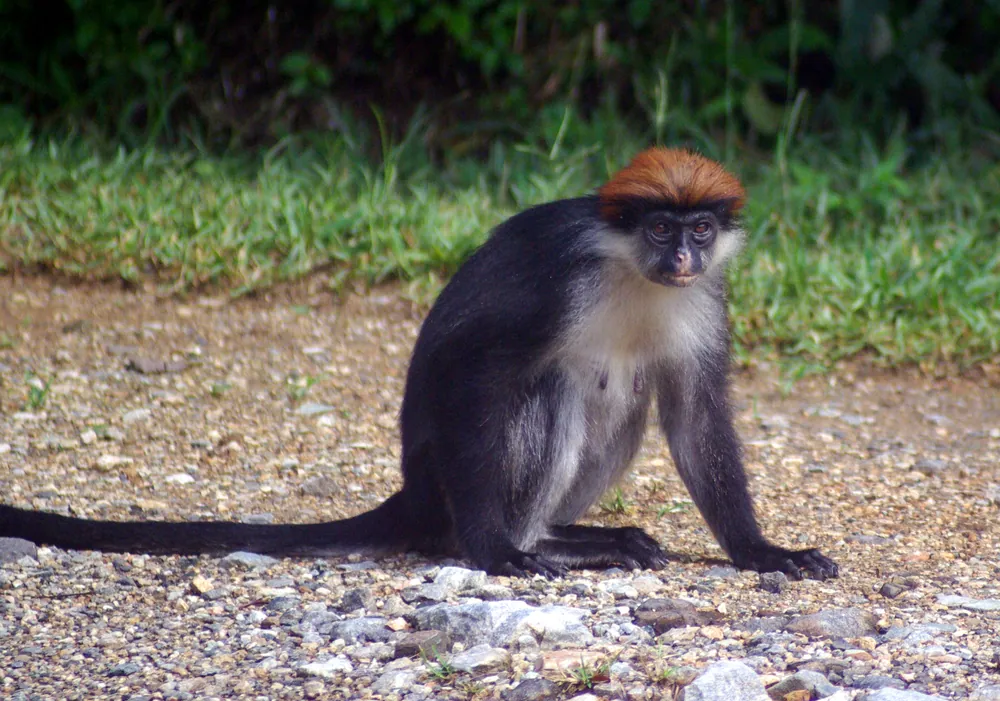
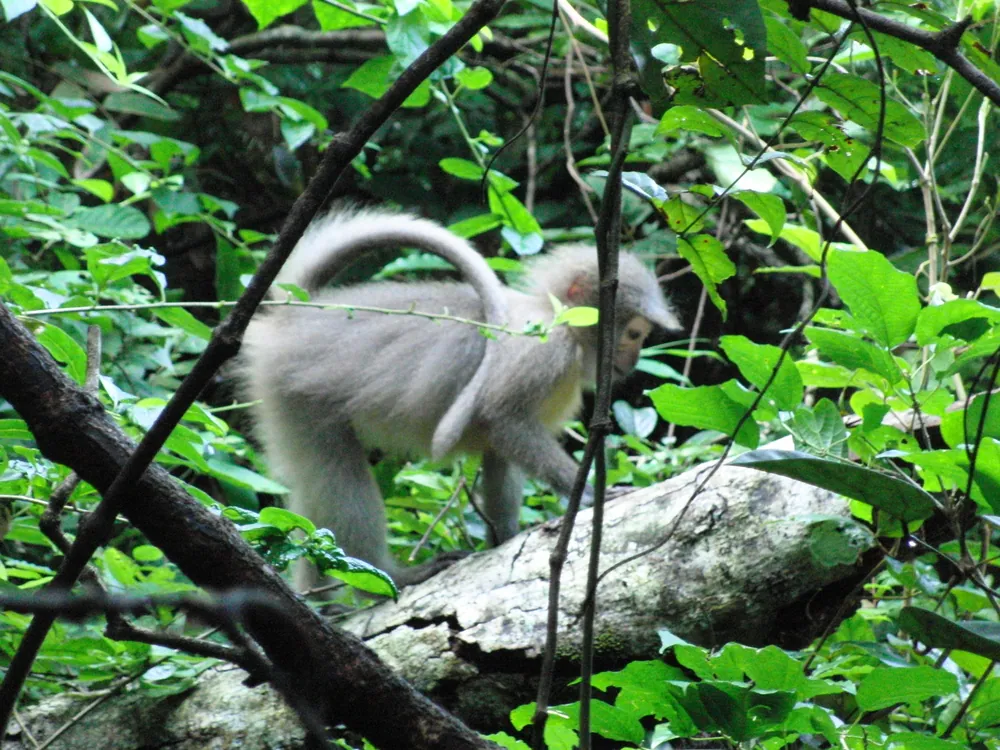
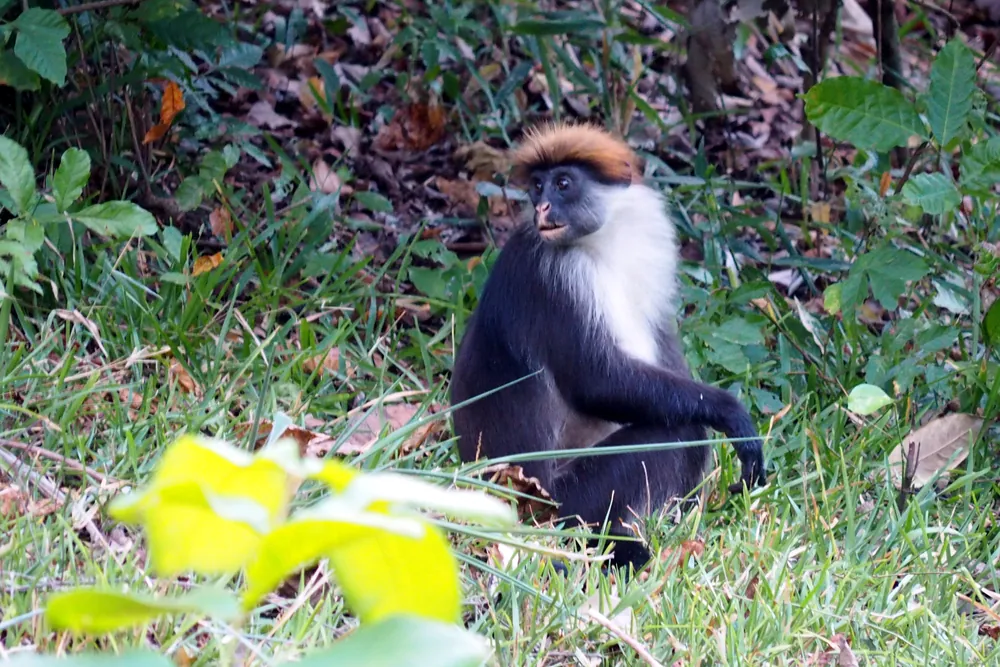
Primates. TANAPA counts eleven primate species in the park (other sources give fewer), and two of them live nowhere else on earth. One is the Udzungwa red colobus, with its rust-red cap. The Sanje mangabey was unknown to science until 1979, when two conservationists heard an unfamiliar call in the forest; it was formally described in 1986. It is found in just two forests in these mountains, was estimated in 2005 at about 1,300 animals, and is listed as Endangered.
The grey-faced sengi is the park's most famous recent discovery. This giant elephant-shrew — at about 700 grams, a quarter heavier than any other sengi — was first caught on a camera trap set by the Italian biologist Francesco Rovero in 2005, and described as a new species in 2008. It survives in two populations covering about 300 km² of forest, and is listed as Vulnerable.
Birds. More than 400 species are recorded. Two stand out. The Udzungwa forest partridge was described only in 1994, so unlike anything known that it was given a genus of its own; TANAPA calls it endemic to the park, but a second population lives in the Rubeho Mountains to the north, and it is listed as Endangered. The rufous-winged sunbird, described in 1983, is Vulnerable.
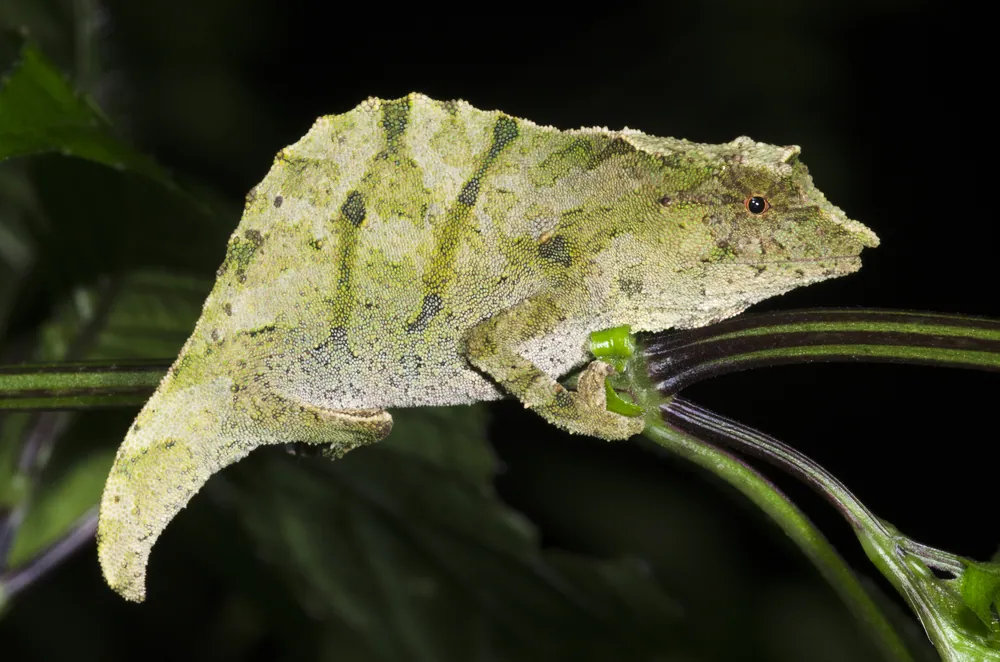
Everything smaller. TANAPA records more than 250 butterfly species, including several named for the Mwanihana forest, and endemic reptiles and amphibians such as the Udzungwa gecko Cnemaspis udzungwae, the frog Phrynobatrachus udzungwensis and several chameleons. The park holds some 2,500 plant species, about a quarter of them endemic.
There is no network of game-drive roads here. Udzungwa is explored on foot, on forest trails, and TANAPA says hiking is possible all year though best in the dry season.
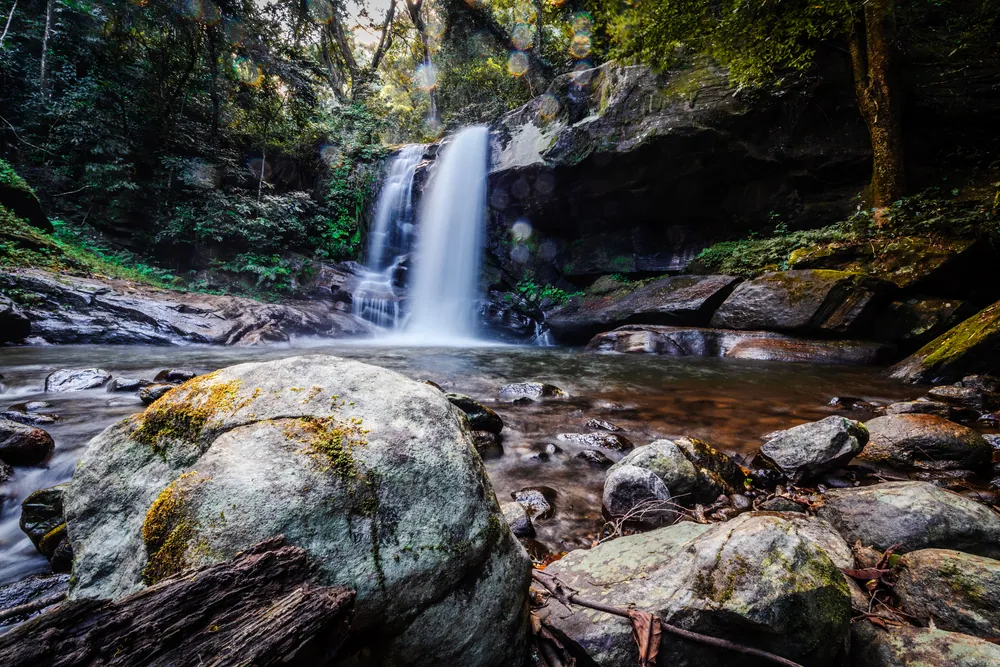
The trail everyone takes is to the Sanje falls, a half-day walk up through the forest. The falls drop through three cascades, about 170 metres in all, and TANAPA calls them the highest in Tanzania's national park system. TANAPA also lists the Prince Bernhard, Njokamoni, Mwaya, Sonjo and Msolwa falls.
For more, the two big summits are Luhombero and Mwanihana, with views down over the farms of the Kilombero valley. TANAPA can also arrange cycling tours of about 30 km from the main gate to the villages around the park, traditional dance and a local handicraft market, and runs a visitor information centre.
TANAPA says the park holds more documented cultural and historical sites than any other in Tanzania, left by peoples who lived in the mountains before it was gazetted. We have not been able to check that claim against another source.
By road, the park is about 380 km from Dar es Salaam, and is often combined with Mikumi. By train, the TAZARA line from Dar es Salaam to Zambia stops at Mang'ula, close to the park gate. By air, charter flights use the nearby Msolwa and Kilombero airstrips.
Fees. Udzungwa is in TANAPA's lower band: USD 30 per non-East African adult per day all year, USD 10 for children aged 5 to 15 and TZS 5,000 for East African citizens, all exclusive of 18 per cent VAT — USD 35.40 in practice. Walking is charged at TANAPA's standard rates, USD 20 for one to four hours or USD 25 for longer, and a park guide is USD 20 per group per day. Staying in a lodge or camp inside the park adds a concession fee of USD 25 per night.
Staying. TANAPA has a rest house in the park at USD 50 a night. There are public campsites at USD 30 per person per night — bring all your own equipment — and special campsites at USD 50. TANAPA's brochure also lists the Twiga Hotel, on the escarpment, with 30 beds.
When to go. Short rains fall in October and November and heavy rains from mid-March to May; June to September is dry, and the best time for hiking. The wet season has its own rewards — wild flowers and butterflies from November to April — and TANAPA says December to February is best for birds, when migrants are nesting. It gives temperatures from 21 °C in July to 31 °C in October.
Fees are from TANAPA's own 2023/24 tariff schedule, the most recent published, and are quoted exclusive of 18 per cent VAT. They may have risen since; confirm before budgeting.
- What is special about the Udzungwa Mountains?
- They are the largest range of the Eastern Arc Mountains, whose forests have been isolated for so long that many species evolved there and nowhere else. The park protects two primates found nowhere else on earth — the Udzungwa red colobus and the Sanje mangabey — as well as the grey-faced sengi, described in 2008, and hundreds of endemic plants and smaller animals. TANAPA calls it the Galápagos of Africa.
- How long is the hike to Sanje waterfall?
- It is a half-day walk up through the forest. The falls drop about 170 metres in three cascades, and TANAPA calls them the highest in Tanzania's national park system.
- Can you do game drives in Udzungwa?
- Not really. There is no network of game-drive roads; the park is explored on foot. It is a park for hiking, primates, birds and waterfalls rather than for big game viewed from a vehicle.
- How much does it cost to enter Udzungwa Mountains National Park?
- TANAPA's 2023/24 schedule sets USD 30 per non-East African adult per day, exclusive of 18 per cent VAT — USD 35.40 in practice. Children aged 5 to 15 pay USD 10. Walks are charged at USD 20 for one to four hours or USD 25 for longer, and a park guide is USD 20 per group per day.
- How do you get to Udzungwa Mountains National Park?
- By road it is about 380 km from Dar es Salaam, usually via Mikumi. The TAZARA railway stops at Mang'ula, close to the park gate, and charter flights use the nearby Msolwa and Kilombero airstrips.
- When is the best time to visit Udzungwa?
- June to September, the dry season, is best for hiking. The rains run from October to November and again from mid-March to May; the wet months bring wild flowers and butterflies, and TANAPA says December to February is the best time for birds.
- What is the grey-faced sengi?
- A giant elephant-shrew found only in the Udzungwa Mountains. It was first photographed by a camera trap in 2005 and described as a new species in 2008. At around 700 grams it is about a quarter heavier than any other sengi, and it survives in two populations covering roughly 300 km² of forest.
Edited by Kabeer Dalvi
Checked against
- Udzungwa Mountains National Park — official pageTANAPA
- Tanzania National Parks Tariffs 2023/2024 — schedule to GN No. 490A of 2020TANAPA
- Udzungwa Mountains National Park — official park brochureTANAPA
- Udzungwa Mountains — Eastern Arc, peak, forest typesWikipedia
- Udzungwa Mountains National ParkWikipedia
- Sanje mangabey — discovery, range, populationWikipedia
- Grey-faced sengiWikipedia
- Udzungwa forest partridge — description and rangeWikipedia
- Rufous-winged sunbirdWikipedia