Mikumi
National Park · TANAPA
The most accessible big park from Dar es Salaam — a morning's drive.
Edited by Kabeer Dalvi
- Area
- 3,230 km²
- Established
- 1964
- Region
- Morogoro Region
- Best time
- June–October
Wildlife
- Lion
- Elephant
- Buffalo
- Zebra
- Wildebeest
- Yellow baboon
- Hippo
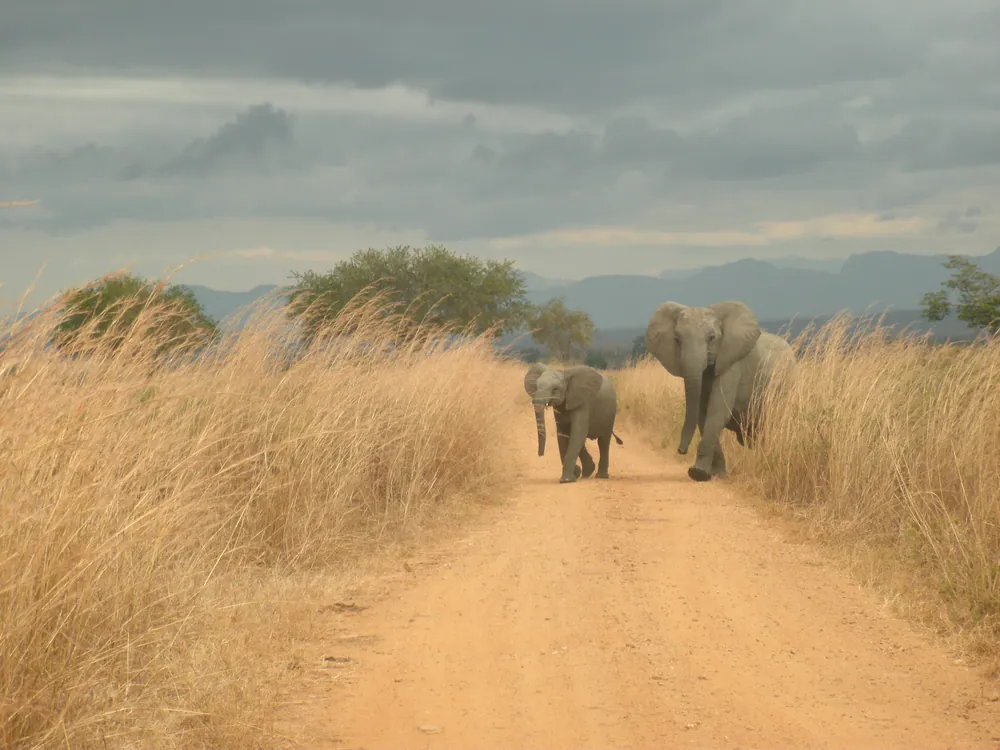
Mikumi is the southern circuit's introduction, and the big park most easily reached from Dar es Salaam: a morning's drive on tarmac. The Dar es Salaam–Iringa highway crosses it for 50 kilometres, which makes access easy and also means the northern section carries traffic — animals do cross, and the speed limit through the park exists for good reason.
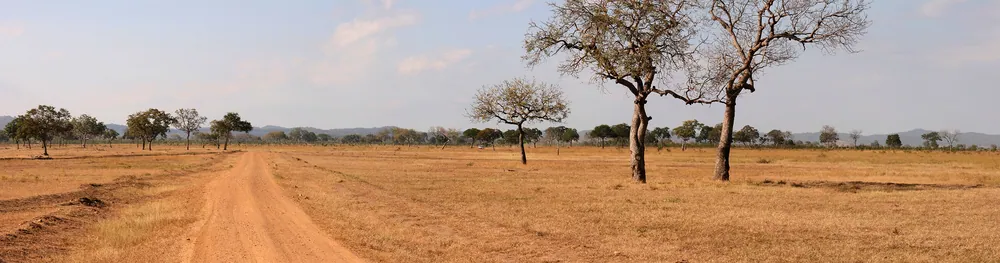
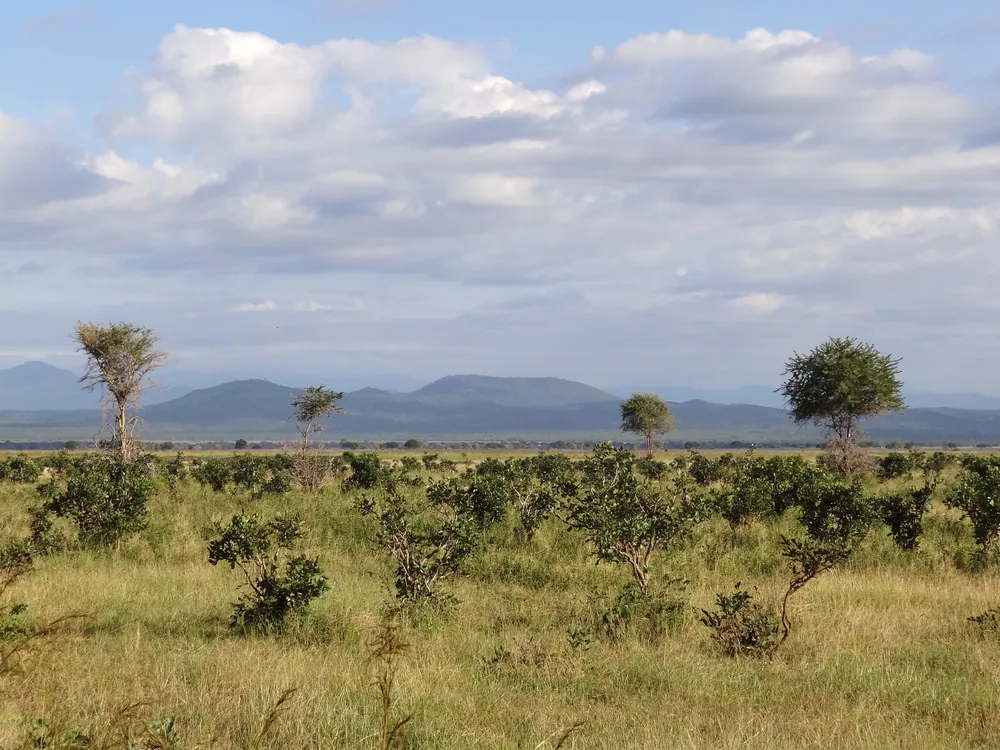
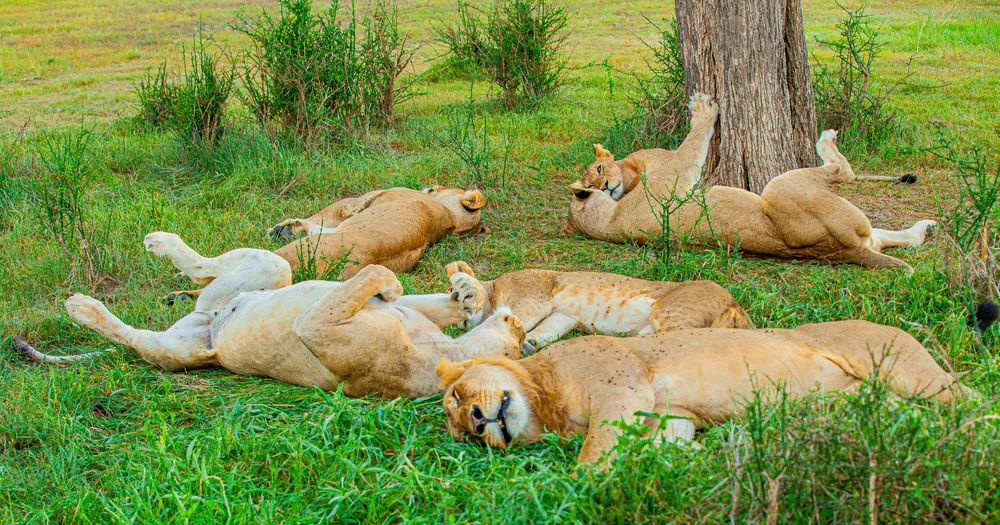
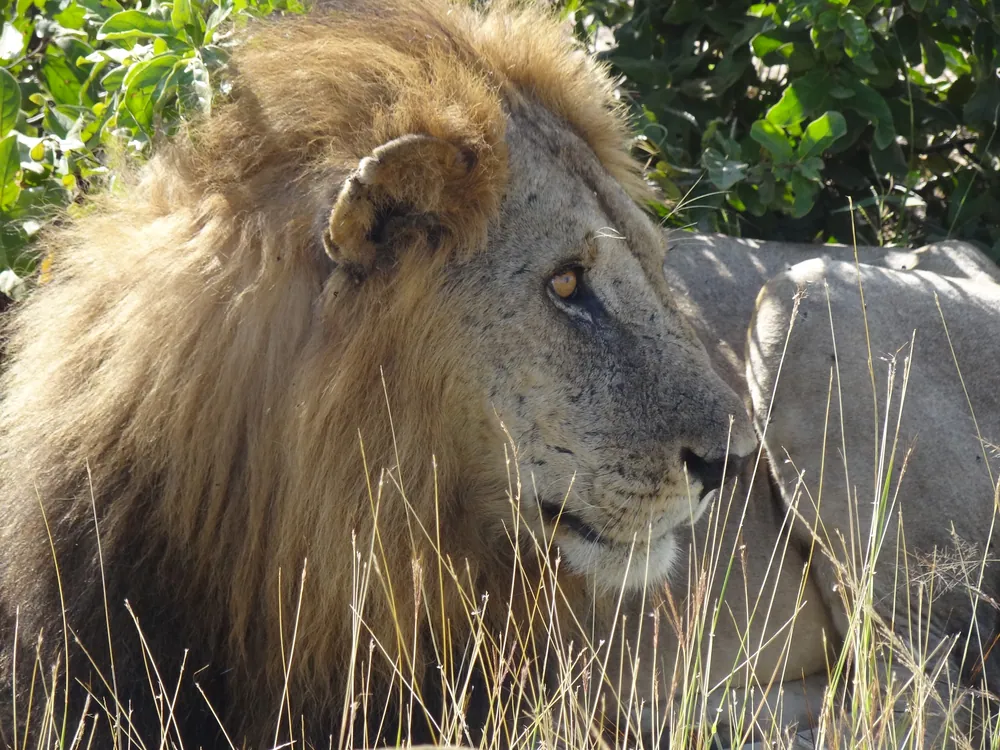
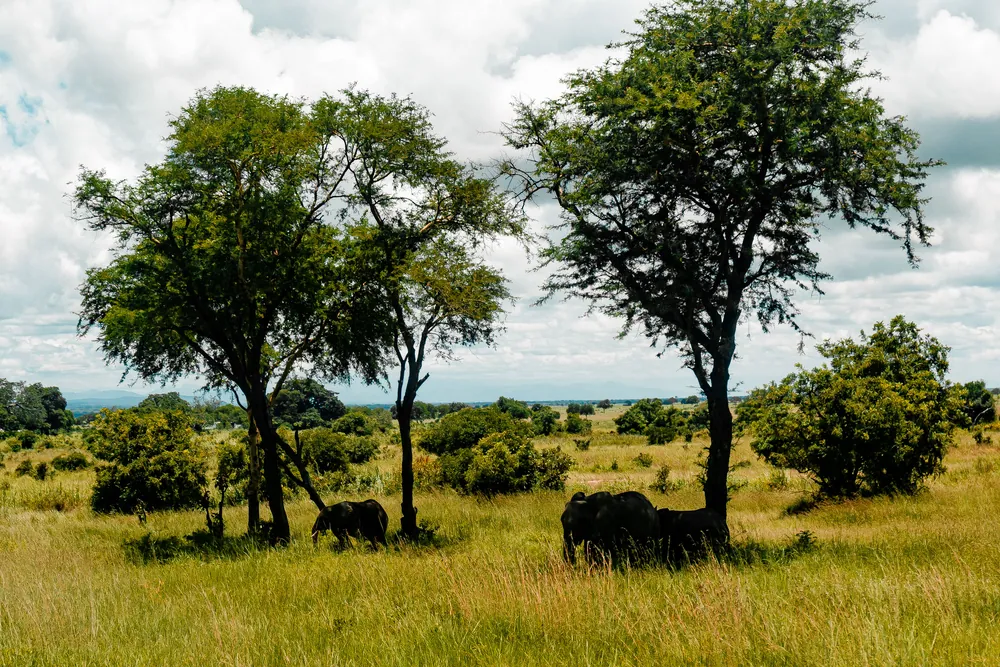
The Mkata floodplain in the north is the part that matters: open grassland framed by the Uluguru and Rubeho mountains, with a look that genuinely recalls the Serengeti on a smaller scale. Buffalo, zebra, wildebeest, impala and elephant are all straightforward here, and the lion population is well established.
Because it borders Nyerere to the south, Mikumi is part of a far larger ecosystem than its 3,230 square kilometres suggest. It opened in 1964 at about a third of that size and was enlarged in 1975. It works well as a two-day trip from Dar, or as the first stop on a longer southern route towards Udzungwa and Ruaha.
The Mkata floodplain
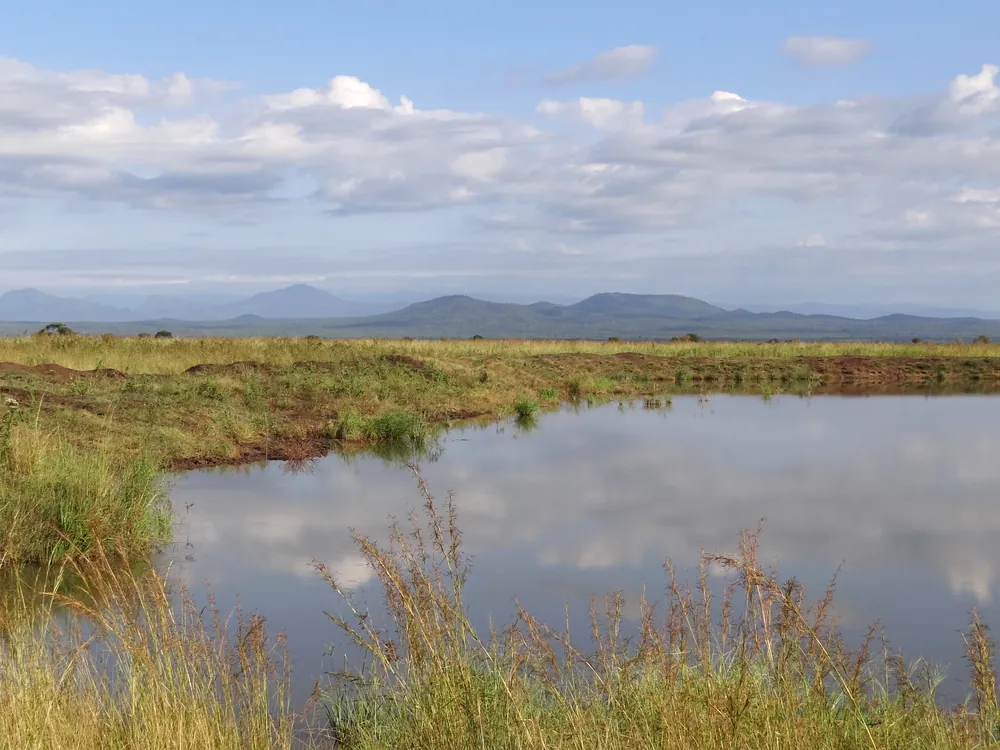
Open grassland with mountains behind it, and the best game density in the park.
Hippo pools
Signposted, permanent, and reliably occupied.
Reachable in a morning
Around five hours from Dar es Salaam on tarmac the whole way.
Yellow baboon and Lichtenstein's hartebeest
Both common here and less so further north.
About 288 km west of Dar es Salaam on the Dar es Salaam–Iringa highway via Morogoro, surfaced throughout. Charter flights land at Kikoboga airstrip inside the park.
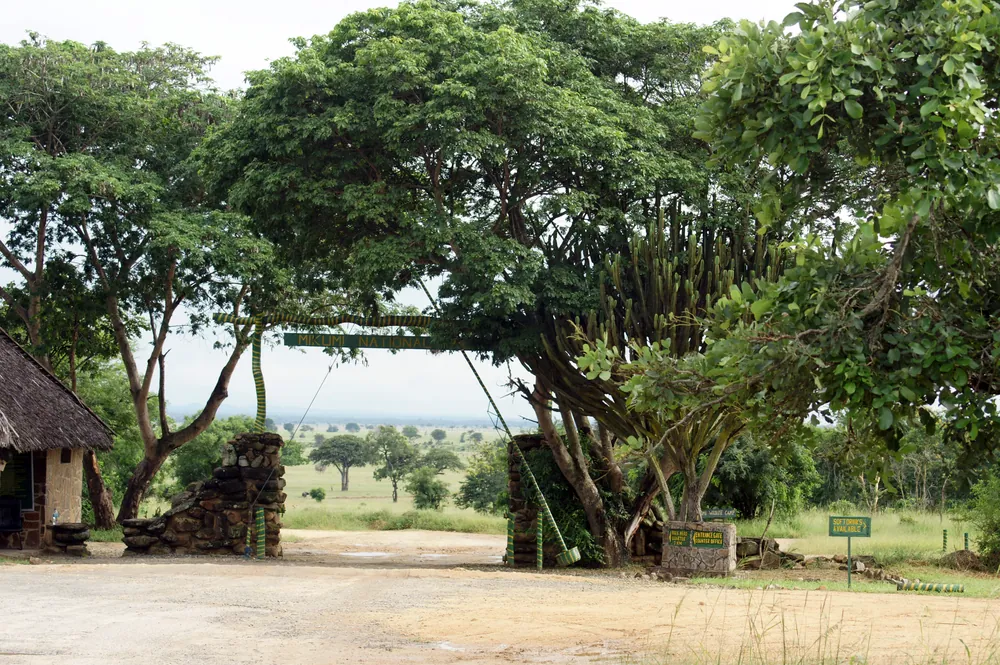
The heart of Mikumi is the Mkata floodplain in the north-west: open, seasonally flooded grassland on the alluvial plain of the Mkata River, with hills on the horizon. It is the part of the park most visitors see, and the part TANAPA says stays accessible all year.
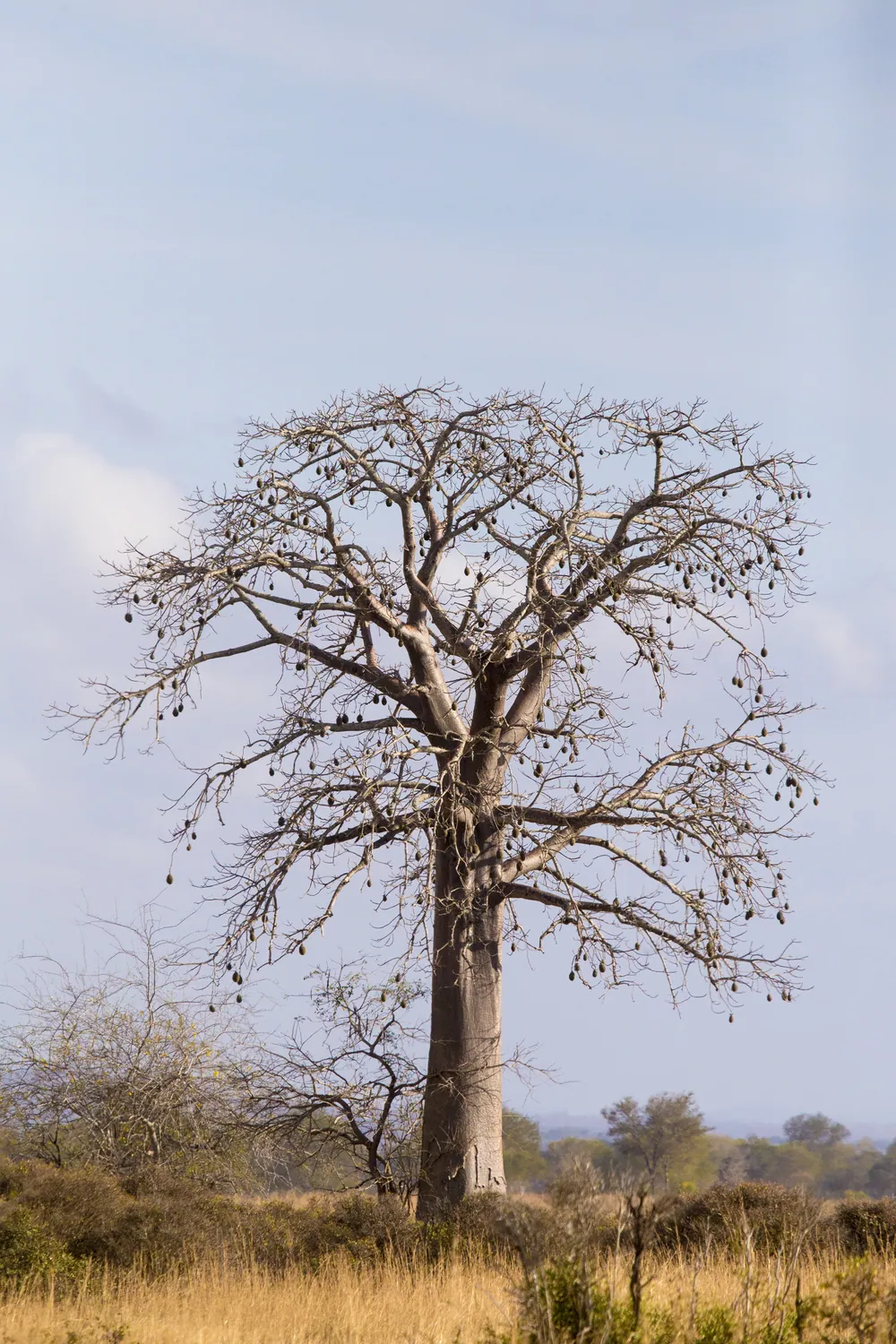
Around it the country rises into woodland and hills. The highest ground is Malundwe, whose south peak reaches about 1,290 metres; its summit carries a patch of Afromontane forest that TANAPA singles out for its plants and animals. The rest of the park is savanna dotted with acacia, baobab, tamarind and borassus palm — and the palm gave the park its name: Mikumi takes it from the village just beyond the western boundary, which is named after the borassus.
Water decides where the animals are. In the dry season they gather at the Mkata River, the Hippo Pool, the Mwanambogo pools and the other waterholes, and TANAPA calls these the places to wait for buffalo, elephant, giraffe and zebra.
Mikumi is not an island. Its southern boundary runs along Nyerere National Park, so the two form one continuous wild area, and the Udzungwa and Uluguru mountains lie close by. The park was gazetted in 1964 at 1,070 km² and enlarged to its present 3,230 km² in 1975.
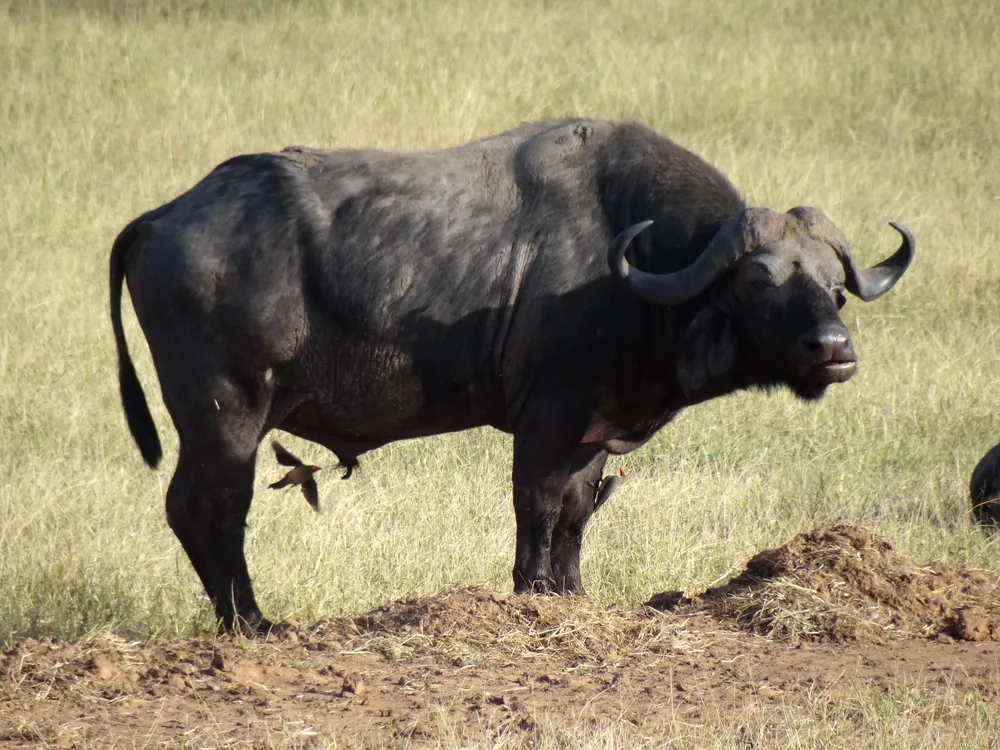
TANAPA's claim for Mikumi is four of the Big Five: elephant, buffalo, lion and leopard. There are no rhino. African wild dog are seen occasionally.
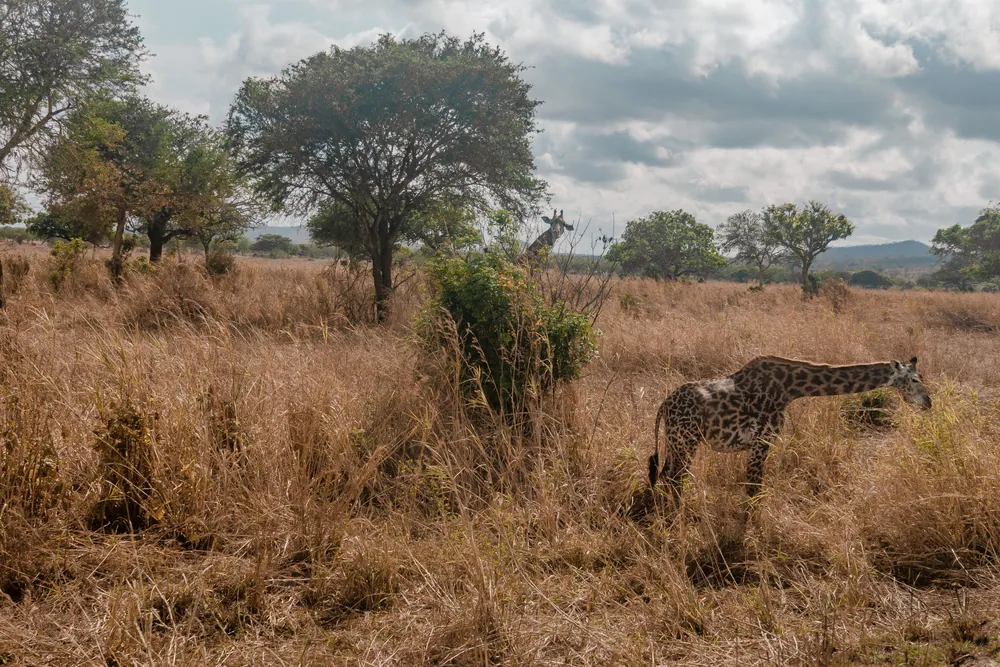
The antelope list is long: eland, greater kudu, sable, defassa waterbuck, Lichtenstein's hartebeest, wildebeest and impala, alongside giraffe, zebra and yellow baboon. TANAPA's brochure calls several of these "the world's largest antelope"; only the eland is really in that class, and the true largest, the giant eland, does not occur in Tanzania.
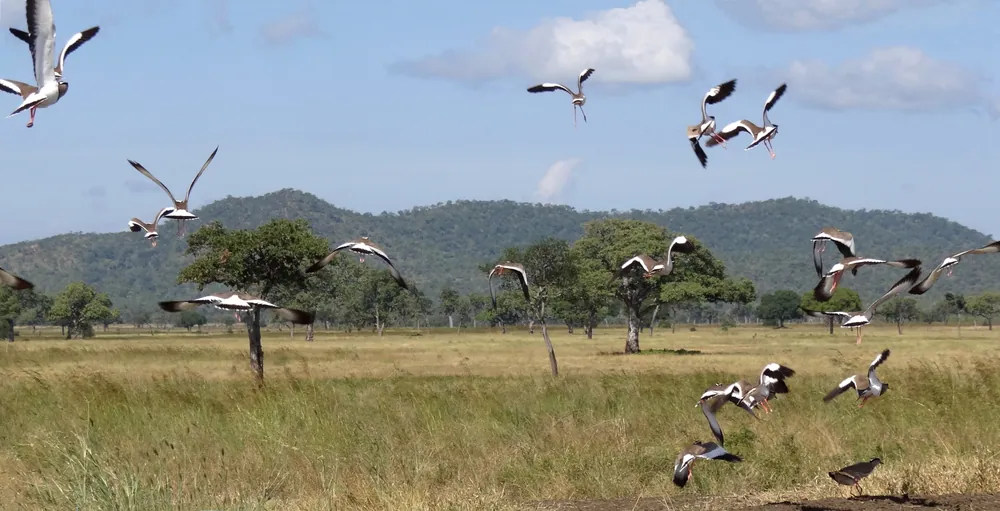
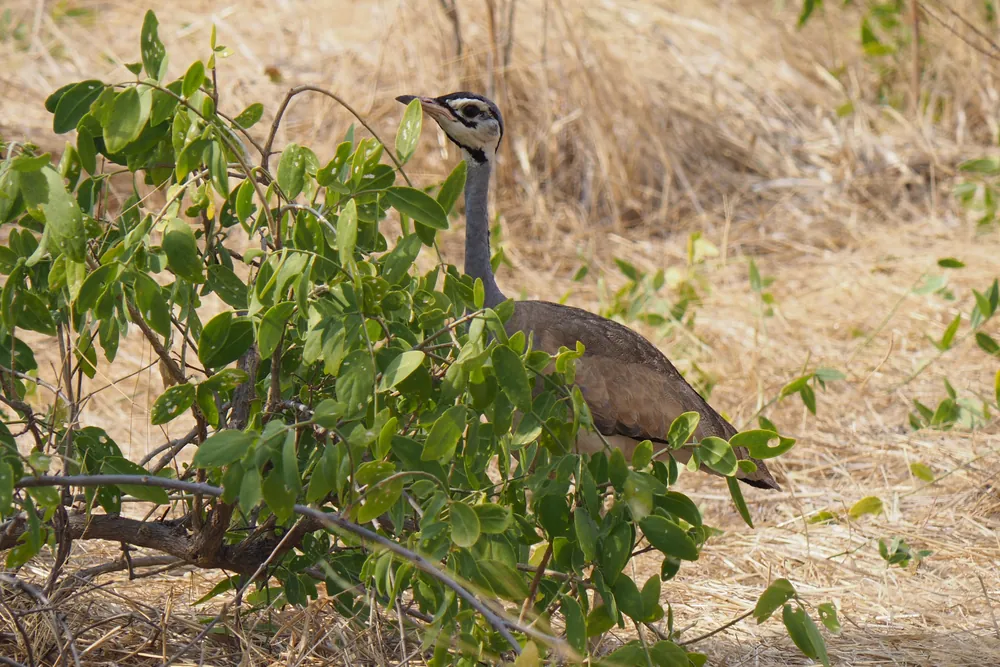
Birds. More than 400 species are recorded. TANAPA picks out the southern ground hornbill ("turkey-sized"), the bateleur eagle, the lilac-breasted roller, black-bellied bustards, marabou storks, oxpeckers and the yellow-throated longclaw, and says the Mkata plain is the place to look.
The Tanzania–Zambia (TANZAM) highway, the main road from Dar es Salaam to Iringa, Mbeya and Zambia, crosses the park for about 50 km. It was first paved in 1973–74 and upgraded in 1989–90, and researchers have recorded traffic increasing ever since. Mikumi is the only protected area in Tanzania that it crosses.
That is why the park is so easy to reach, and it has a cost. A study published in 1996 recorded 456 large mammals killed on the road between 1973 and 1988. Later figures, cited in a 2022 study in Ecology and Evolution but based on personal communications from park and research staff rather than a published survey, put the toll at 2,241 animals between 1992 and 2008 and more than 360 a year now.
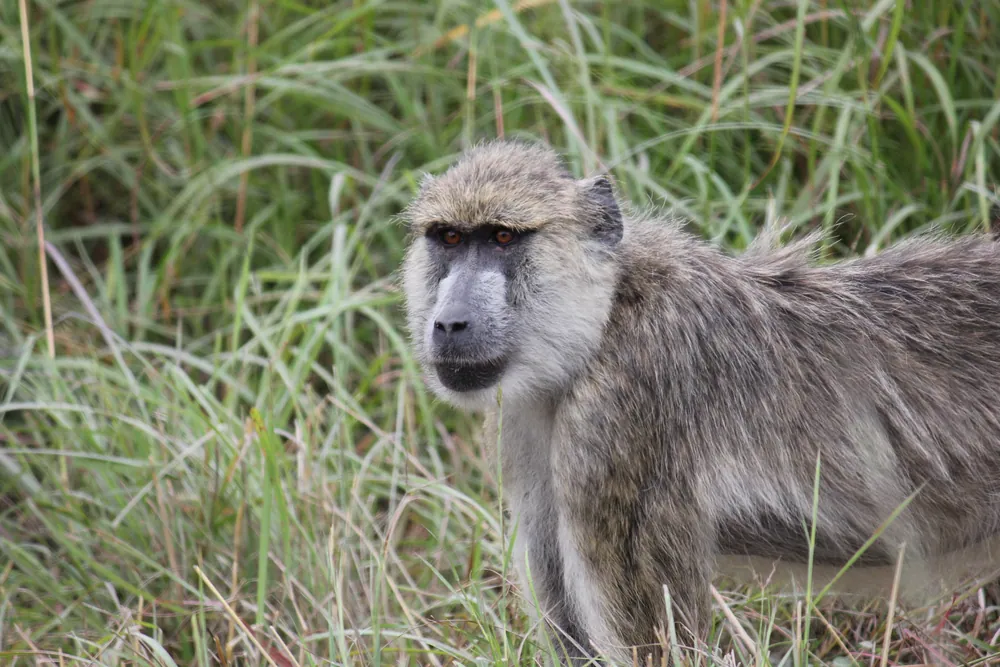
Yellow baboons are among the animals killed. The 2022 study followed two troops and found that they do not depend on the road for food — they use it as an ordinary part of their range — but that it lies close to their sleeping sites. Its recommendation was strict enforcement of the rules for drivers. For a visitor that means: keep to the 50 km/h limit, and never feed an animal from a vehicle.
TANAPA's own map of the park also shows the TAZARA railway crossing its northern part.
By road, the park is about 288 km west of Dar es Salaam on the Dar es Salaam–Iringa highway via Morogoro, tarred all the way, which makes it the easiest of the big southern parks to reach. By air, charter flights land at Kikoboga airstrip inside the park.
Fees. Mikumi is in TANAPA's lower band, with one rate all year: USD 30 per non-East African adult per day, USD 10 for children aged 5 to 15, and TZS 5,000 for East African citizens, all exclusive of 18 per cent VAT — USD 35.40 in practice. Staying in a lodge or camp inside the park adds a concession fee of USD 25 per night. A walking safari is USD 20 for one to four hours or USD 25 for longer, a night game drive USD 50, and a park guide USD 20 per group per day.
Staying. TANAPA runs its own cottages and rest house inside the park — from USD 50 single or USD 75 double on bed and breakfast, with simpler guest rooms from USD 30 — and a hostel for organised groups. There are three private tented camps, public campsites with dining shelters, washrooms and fireplaces (USD 30 per person per night), and special campsites with no water or facilities at all (USD 50). Mikumi town, just outside the western boundary, has motels, lodges and guesthouses.
Things to do beyond game drives: night drives, walking safaris, birding on the Mkata plain, sundowners with the light on the Ngotwike mountains, and cultural visits to the villages around the park. TANAPA pitches the park at weekend visitors from Dar es Salaam, and even runs a conference hall seating 200.
When to go. Mikumi has two rainy seasons: short rains from November to early December and long rains from March to May, about 700 mm a year but unpredictable. June to October and January to February are dry. TANAPA says the dry season is the best time, when the grass is short and the animals gather at water, with days of 20 to 25 °C; the wet months are hot and humid, up to 30 °C.
Fees are from TANAPA's own 2023/24 tariff schedule, the most recent published, and are quoted exclusive of 18 per cent VAT. They may have risen since; confirm before budgeting.
- How far is Mikumi National Park from Dar es Salaam?
- About 288 km by road, on the tarred Dar es Salaam–Iringa highway via Morogoro. It is the easiest of the big southern parks to reach, and many people visit it as a weekend trip from Dar. Charter flights can also land at Kikoboga airstrip inside the park.
- Can you see the Big Five in Mikumi?
- Four of them: elephant, buffalo, lion and leopard. There are no rhino. African wild dog are seen occasionally.
- How much does it cost to enter Mikumi?
- TANAPA's 2023/24 schedule sets USD 30 per non-East African adult per day, the same all year, exclusive of 18 per cent VAT: USD 35.40 in practice. Children aged 5 to 15 pay USD 10. Staying in a lodge or camp inside the park adds a concession fee of USD 25 per night; walks, night drives and guides are extra.
- Why does a highway run through Mikumi?
- The Tanzania–Zambia highway from Dar es Salaam to Iringa and Zambia crosses the park for about 50 km; it was first paved in 1973–74. It makes the park easy to reach but kills many animals: 456 large mammals were recorded killed between 1973 and 1988, and more recent estimates run to over 360 a year. Keep to the 50 km/h limit and never feed animals from a vehicle.
- Is Mikumi worth visiting?
- Yes, particularly if time or budget is short. It is a few hours from Dar es Salaam on tarmac, the entry fee is less than half that of the Serengeti or Nyerere, and TANAPA calls it one of the most reliable parks in the country for sightings in the dry season, when herds gather at the waterholes. It is smaller and busier than Ruaha or Nyerere, and the highway through it is a real drawback.
- When is the best time to visit Mikumi?
- The dry season, June to October, when the grass is short and animals gather at the Mkata River and the pools; January and February are also usually dry. The long rains run from March to May. TANAPA says the northern part of the park stays accessible all year.
- Can you stay inside Mikumi National Park?
- Yes. TANAPA runs cottages, a rest house and a group hostel inside the park, and there are three private tented camps plus public and special campsites. Mikumi town, just outside the western boundary, has cheaper motels, lodges and guesthouses.
Edited by Kabeer Dalvi
Checked against
- Mikumi National Park — official pageTANAPA
- Tanzania National Parks Tariffs 2023/2024 — schedule to GN No. 490A of 2020TANAPA
- Mikumi National Park — official park brochureTANAPA
- A road traversing a protected area has little effect on feeding and foraging behaviour of yellow baboons (2022)Ecology and Evolution
- Mikumi National Park — Malundwe, vegetation, visitor numbersWikipedia