Ngorongoro
Conservation Area · NCAA · not a national park
A collapsed volcano holding its own ecosystem — and not a national park.
- Area
- 8,292 km²
- Established
- 1959
- Region
- Arusha Region
- Best time
- Year-round; the floor is clearest early
- UNESCO
- World Heritage Site, inscribed 1979; extended for cultural value 2010
Wildlife
- Black rhino
- Lion
- Elephant
- Buffalo
- Flamingo
- Golden jackal
- Serval
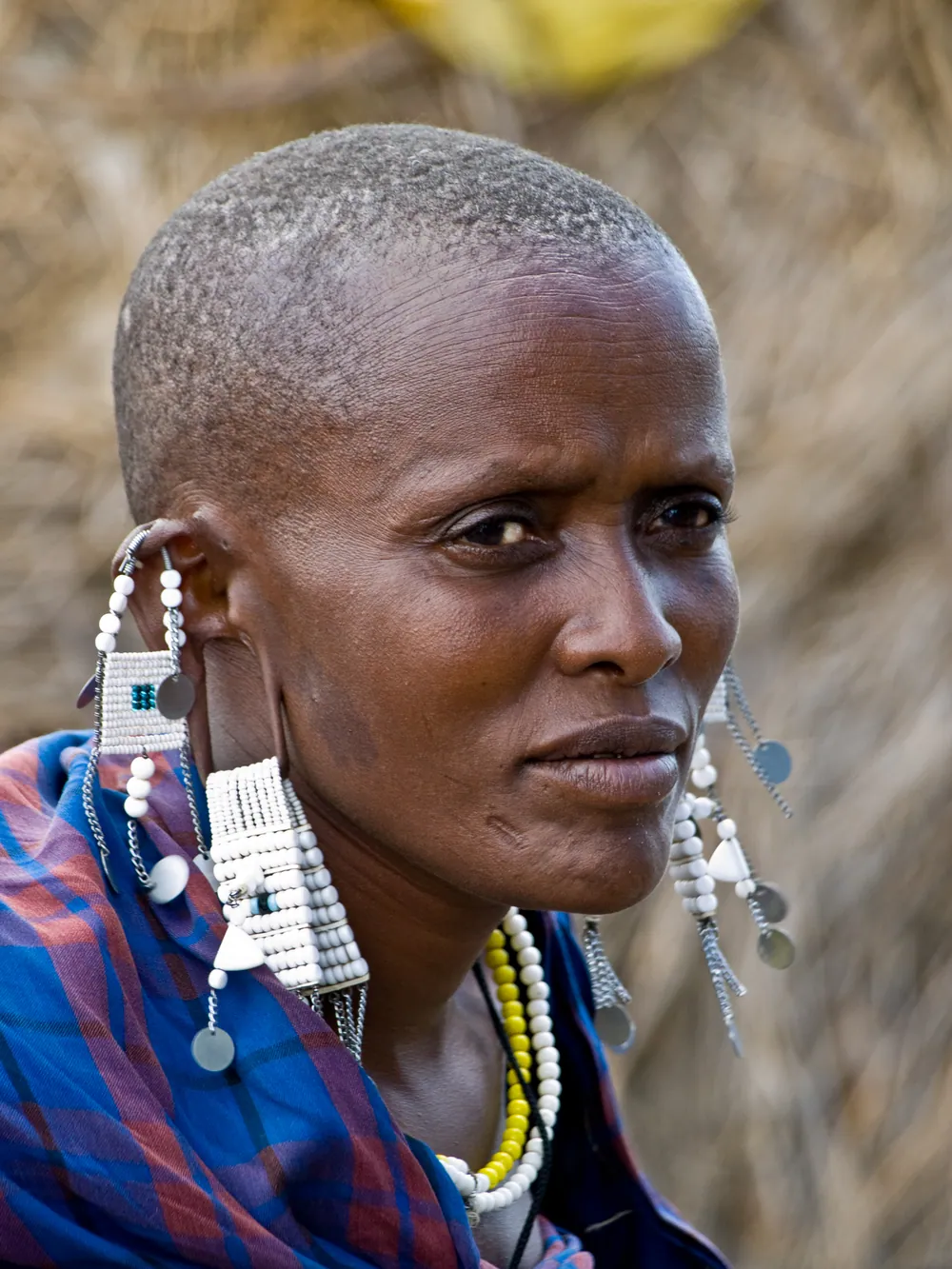
Ngorongoro is not a national park, and the distinction matters in practice. It is a conservation area, run by the Ngorongoro Conservation Area Authority rather than TANAPA, under a model that permits Maasai pastoralists to live and graze inside it alongside the wildlife. Its fees, its rules and its permits are separate from the national park system.
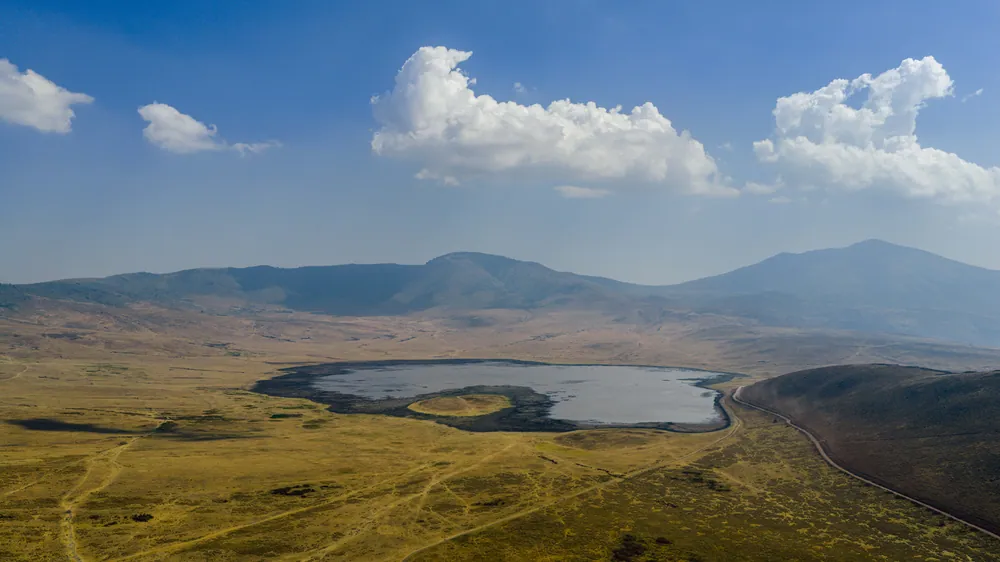
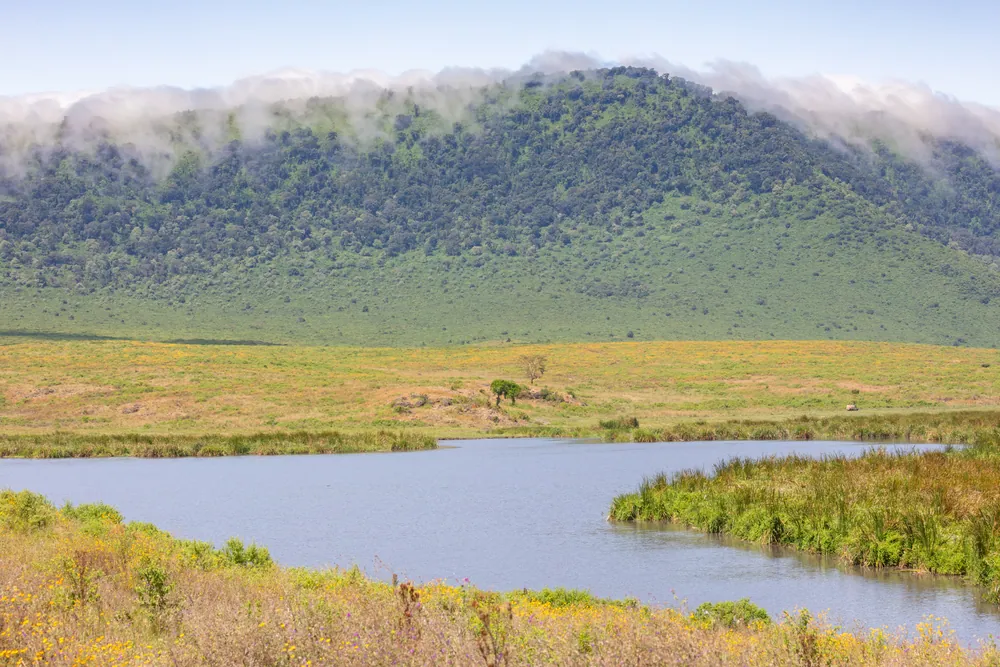
The crater itself is the largest intact volcanic caldera in the world: a mountain that collapsed into its own emptied magma chamber some two and a half million years ago, leaving walls around six hundred metres high enclosing a floor of roughly 260 square kilometres. Inside are grassland, swamp, a soda lake and a patch of fever-tree forest, and an estimated twenty-six thousand large animals that have little reason to leave.
It is the most reliable place in the country to see black rhino, and one of the few where lion, elephant, buffalo, leopard and rhino can genuinely be seen in a single day. It is also, in high season, busy — the descent road fills by mid-morning, which is the argument for staying on the rim and going down at first light. The wider conservation area holds Olduvai Gorge, where the Leakeys' excavations reshaped the understanding of human origins, and the Laetoli footprints: three and a half million years old, and unmistakably walking upright.
The crater floor at dawn
Down before the descent road fills. Two hours of quiet before the rim empties into it.
Black rhino
One of the last reliable populations in the country.
Olduvai Gorge
The excavation that rewrote human prehistory, with a small museum on site.
Empakaai and Olmoti
Quieter craters on the highland rim, walkable with a ranger.
Three to four hours by road from Arusha. Self-drivers must take an NCAA ranger to descend into the crater; the floor speed limit is 25 km/h.
Covers the drive out and back, and the guide's travelling time.
Checked against