Karatu
The last town before the Ngorongoro gate — coffee farms and onion fields on volcanic soil, with the Rift wall on one side and Lake Eyasi on the other.
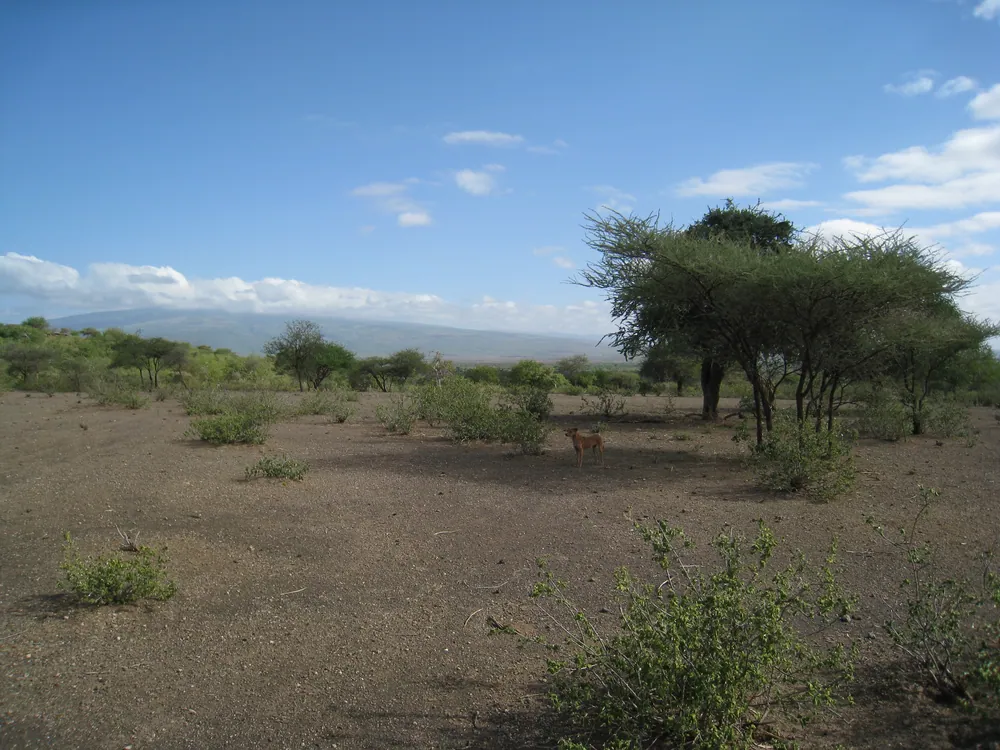
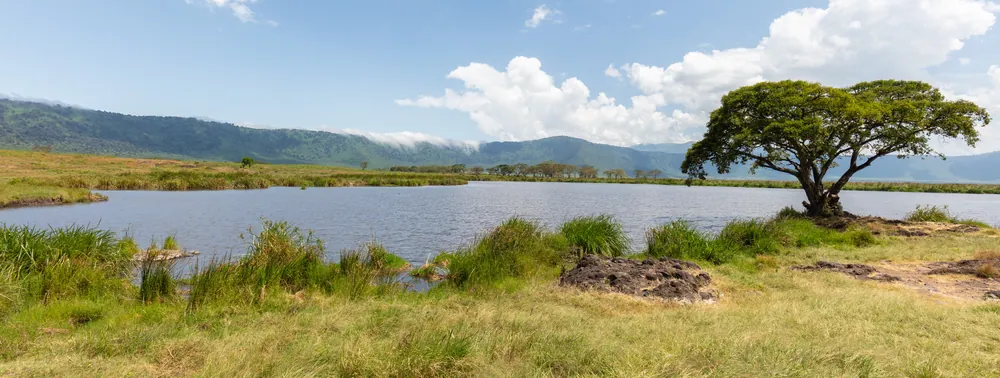
Dry acacia country falling away towards Lake Eyasi, south-west of the town.
- Region
- Karatu District, Arusha Region
- Position
- At the Ngorongoro Conservation Area gate
- People
- Predominantly Iraqw
- Known for
- Coffee, onions, wheat — and safari lodging
- From Arusha
- About 3 hours by road
A farming town that a gate made important
Karatu exists where it does because of soil. The northern part of the district catches runoff and volcanic ash from the Ngorongoro highlands above it, and the result is farmland good enough that people have been drawn to it for a very long time — long before anybody thought of it as a place on the way to somewhere.
The people of these hills are the Iraqw, and they are a genuine anomaly. They speak a Cushitic language — related to languages of Ethiopia and the Horn, not to the Bantu languages that surround them on every side — which makes them one of the southernmost Cushitic-speaking populations in Africa and a long-standing puzzle for historians of migration. They are also, by consistent reputation, exceptional farmers.
The town's modern significance is positional. It sits at the Lodoare gate end of the road to Ngorongoro, which means almost every vehicle travelling from Arusha to the crater or on to the Serengeti passes through it. Lodges accumulated accordingly, and Karatu became the place safaris sleep the night before the crater — which is why a town of farmers now has more accommodation than its size would suggest.
Coffee, onions and beds
What the district produces
- Onions
- Enough that Karatu is called the onion capital
- Coffee
- Arabica on the highland slopes
- Wheat & barley
- Large-scale on the plateau
- Maize & beans
- The smallholder staples
- Lodging
- The overnight stop for the crater
Karatu is known across Tanzania as the onion capital, which is not a description most tourism writing bothers with and is the single most economically accurate thing about the place. Onions, wheat, barley, maize and beans come off this land in quantity, and the district feeds a long way beyond itself.
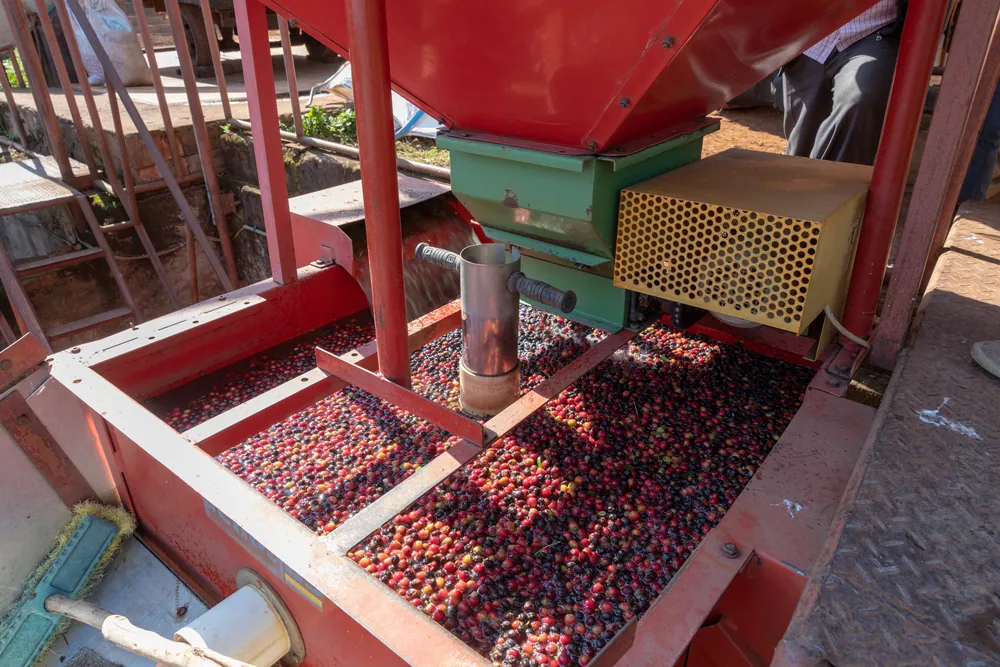
Coffee is the crop visitors actually encounter. Arabica grows on the higher slopes towards the crater rim, on estates and smallholdings, and several of them run tours that take you from cherry through pulping and drying to a cup — genuinely informative, and a much better use of an afternoon than most things marketed to people waiting for a crater permit.
Then there is the lodging economy, which is substantial and almost entirely dependent on Ngorongoro. Staying in Karatu is considerably cheaper than staying on the rim, and the drive up to the gate takes well under an hour, so a large share of crater visitors sleep here. It also means the town's fortunes move with the NCAA's fee decisions, which is a dependency worth noticing.
Iraqw hills, and the Eyasi question
Iraqw homesteads in the hills are traditionally built partly into the slope, low and turf-roofed and hard to see from a distance — a form said to have developed under raiding pressure. The culture is agricultural, organised around cattle and cultivation, and the language remains widely spoken alongside Kiswahili.
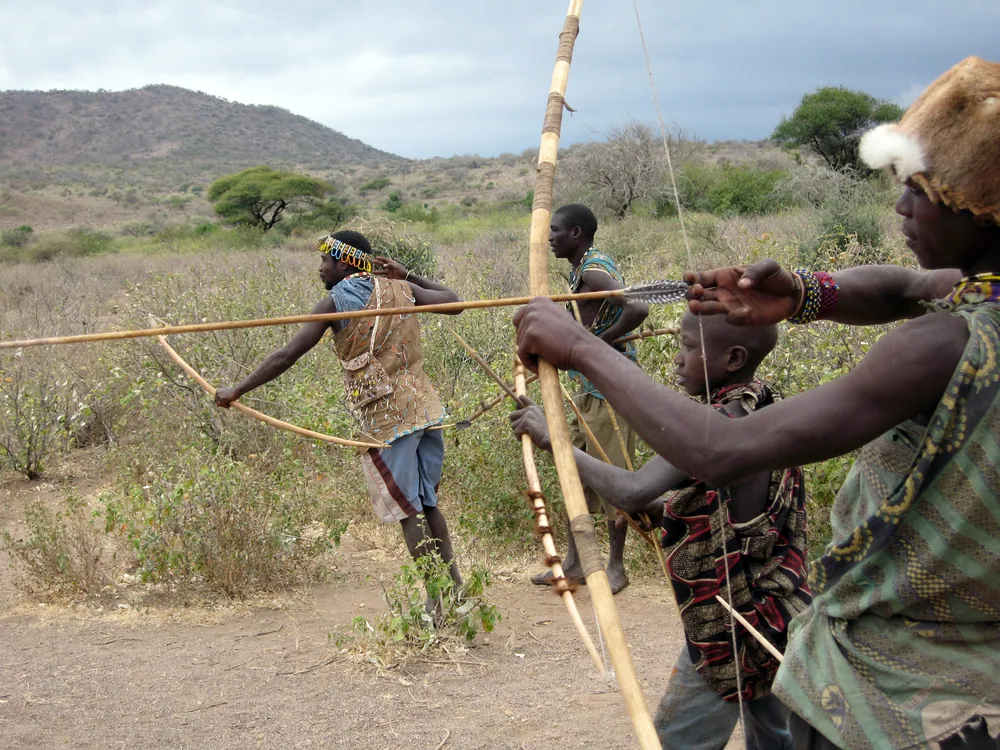
South-west of the town, the land drops to Lake Eyasi, a shallow soda lake in the Rift floor, and the country around it is home to the Hadza — one of the last hunter-gatherer peoples in Africa, speaking a click language unrelated to any other, and a population numbering only in the low thousands. Nearby live the Datoga, Nilotic pastoralists and metalworkers who make arrowheads the Hadza use.
This is where a visitor has to think. Hadza 'visits' are sold heavily out of Karatu and Arusha, and a great deal of what is offered is staged: a dawn hunt performed for a vehicle, priced per camera, arranged through intermediaries who keep most of the money. The Hadza's land has been steadily taken for farming and grazing for decades, and poorly-run tourism has become another pressure rather than a support.
There are better and worse ways to do it. The better ones are arranged directly with a community, on terms the community set, with the fee going to them and without a scripted performance. They cost more and deliver less spectacle. If what you are offered sounds like a show, it is one — and the honest alternative is not to go.
Informational — none of this is ticketed by us
Gateway
Ngorongoro — the Lodoare gate
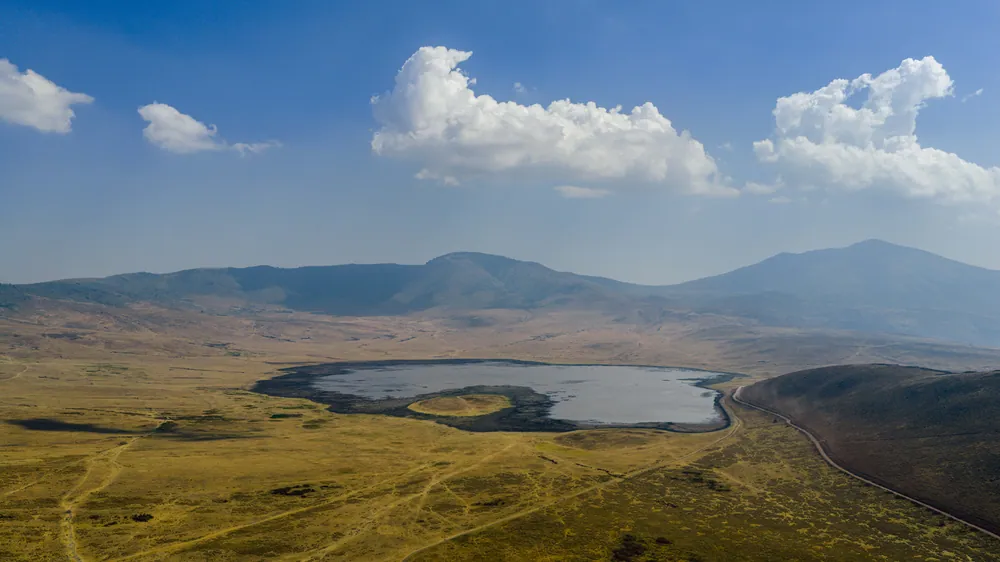
Under an hour to the gate and on up to the rim. Staying in Karatu is the standard way to be on the crater floor at first light.
Working farms
Coffee estate tours
Cherry to cup on the slopes above town. Several estates run them properly rather than as a gift-shop exercise.
Rift lake
Lake Eyasi
A shallow soda lake below the escarpment, with flamingos in the wet season and a hard, beautiful landscape.
Cultural
Hadza and Datoga communities
Arrange directly and on the community's terms, or do not go. See the note above — this is the most misrepresented experience in northern Tanzania.
National park
Lake Manyara
Forty minutes back down the escarpment — groundwater forest, flamingos, and the tree-climbing lions.
Walking
Elephant Caves and Endoro trail
A forest walk on the Ngorongoro slopes to a waterfall and the salt-lick caves elephants dig into.
Before you go
- Getting there
- About three hours west of Arusha on a good surfaced road, via Lake Manyara. Most safaris pass through whether or not they stop.
- Why stay here
- Lodging costs far less than on the crater rim, and the gate is under an hour away. The trade-off is an earlier start.
- When to come
- June to October is dry. The long rains fall March to May, when the district is green and the side roads are difficult.
- Altitude
- High enough to be cold after dark. The rim above is colder still.
- Money
- Shillings. There are ATMs in town — the last reliable ones before the Serengeti.
- Cultural visits
- Ask who receives the money and who set the price before booking anything involving the Hadza or Datoga.
Last reviewed 2026-09-14
Editorial — fact-check complete
Checked against
- Karatu District — geography and agricultureWikipedia
- Lake Eyasi and the HadzaWikipedia
- Ngorongoro Conservation Area — gates, fees and accessNgorongoro Conservation Area Authority
- Iraqw language and Cushitic classificationEncyclopaedia Britannica