Serengeti
National Park · TANAPA
Grass to the horizon, and the migration that moves across it.
- Area
- 14,763 km²
- Established
- 1951
- Region
- Mara, Simiyu and Arusha regions
- Best time
- June–October for the crossings; December–March for calving
- UNESCO
- World Heritage Site, inscribed 1981
Wildlife
- Lion
- Leopard
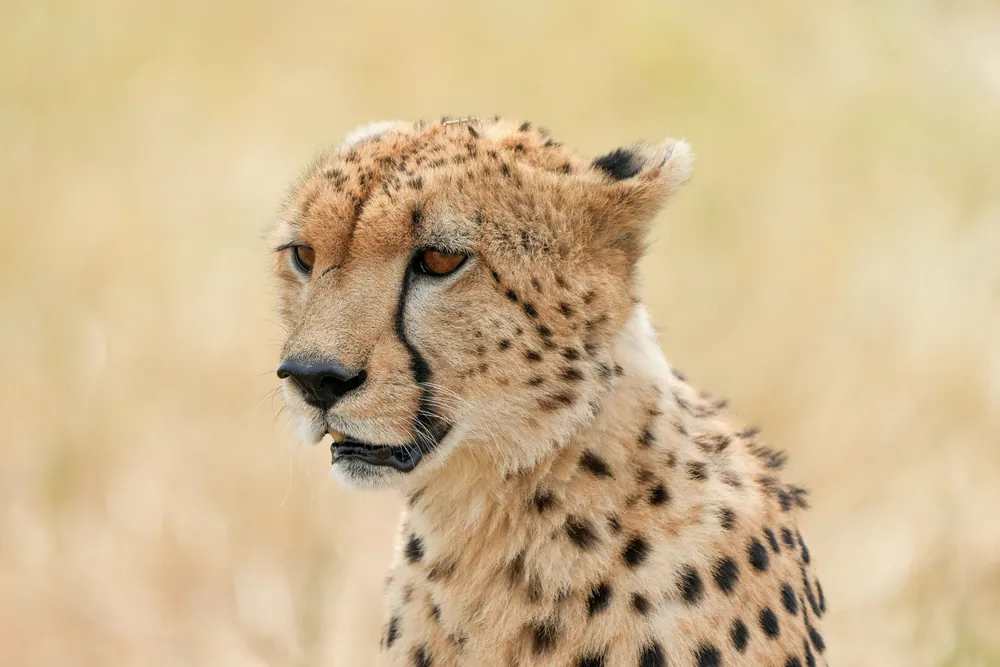
- Cheetah
- Elephant
- Black rhino
- Wildebeest
- Zebra
- Spotted hyena
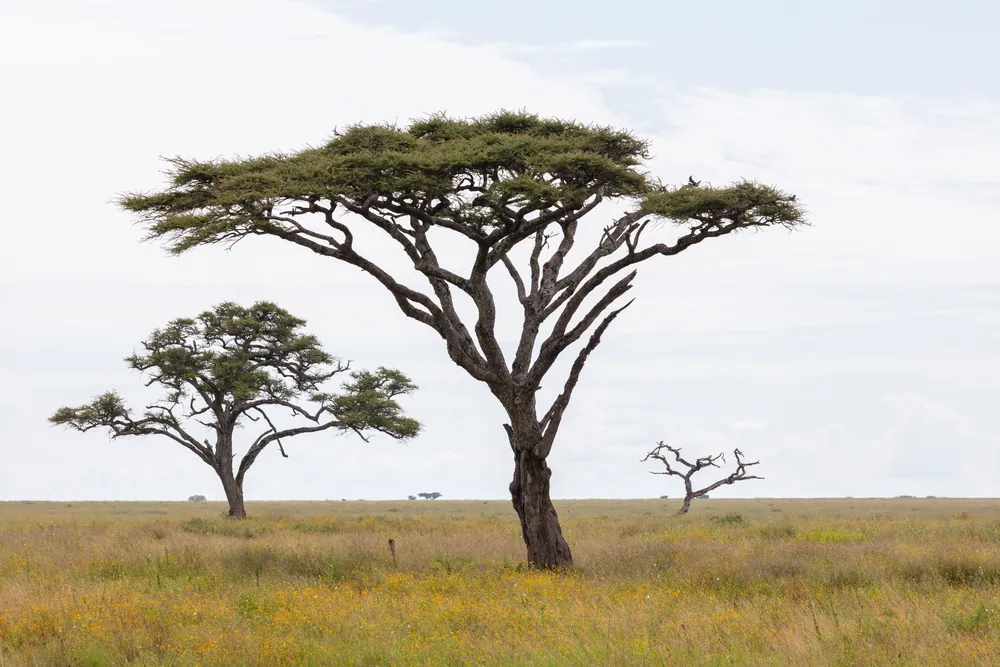
The name is Maa — siringet, the place where the land runs on forever — and the first hour inside the park is mostly an adjustment to scale. The southern plains are almost treeless, a shortgrass sheet over volcanic ash laid down by Ngorongoro's eruptions, broken only by kopjes: granite islands worn smooth, which hold water, shade and very often lions.
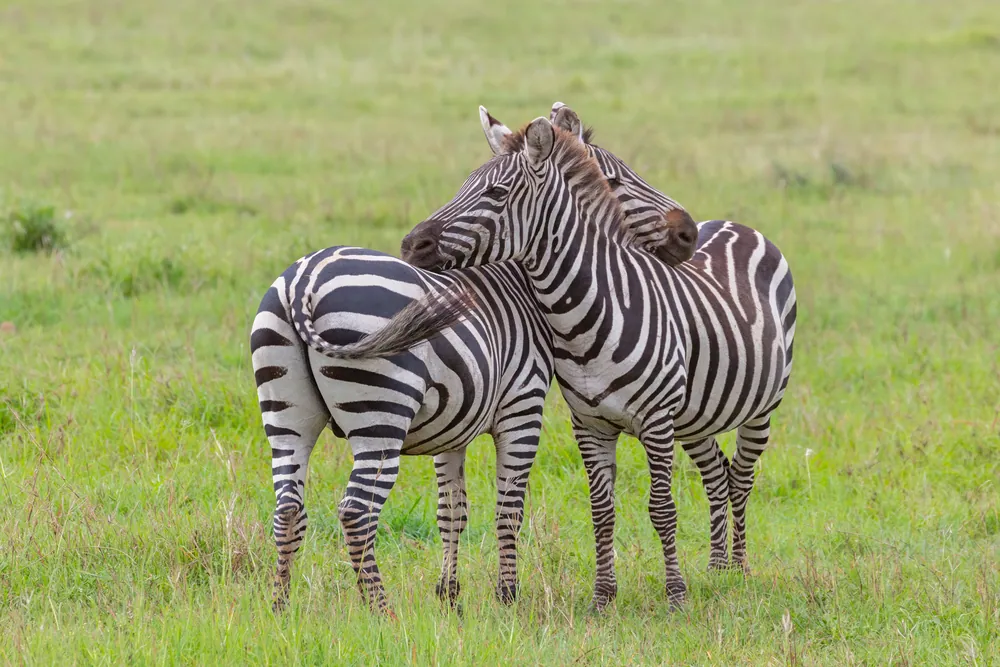
It is Tanzania's oldest national park, gazetted in 1951, and its ecosystem does not stop at the boundary — it runs north into Kenya's Maasai Mara and south into the Ngorongoro highlands. That is what makes the migration possible: roughly two million wildebeest, zebra and gazelle moving in a rough annual circle, following grass that follows rain. It is not a single event and it has no timetable. Asking when the migration happens is the wrong question; asking where the herds are this month is the right one.
The park divides into country that behaves quite differently. Seronera in the centre holds water year-round and is the most reliable for big cats. The western corridor follows the Grumeti River towards Lake Victoria. The north, around Kogatende, is where the Mara River crossings happen between roughly July and October — the part everybody has seen on television, and the part that involves a great deal of waiting.
The Mara River crossings
July–October in the north. Unschedulable, and worth the whole day it takes.
Calving on the short grass
Around Ndutu, December–March. Half a million births in a few weeks, and every predator present.
The Seronera kopjes
Granite outcrops with permanent water — the year-round bet for lion and leopard.
Balloon over the plains
Dawn launch, an hour aloft, breakfast on the ground. Arranged on request.
Five to seven hours by road from Arusha via Ngorongoro, or an airstrip transfer to Seronera, Kogatende or the western corridor.
Two travelling days for the vehicle and guide, plus fuel over distance.
Checked against