Mara
The north-eastern corner of Lake Victoria, where the Serengeti ends at the Mara River, the migration makes its most famous crossing, and the village of Butiama produced the man who made the country.
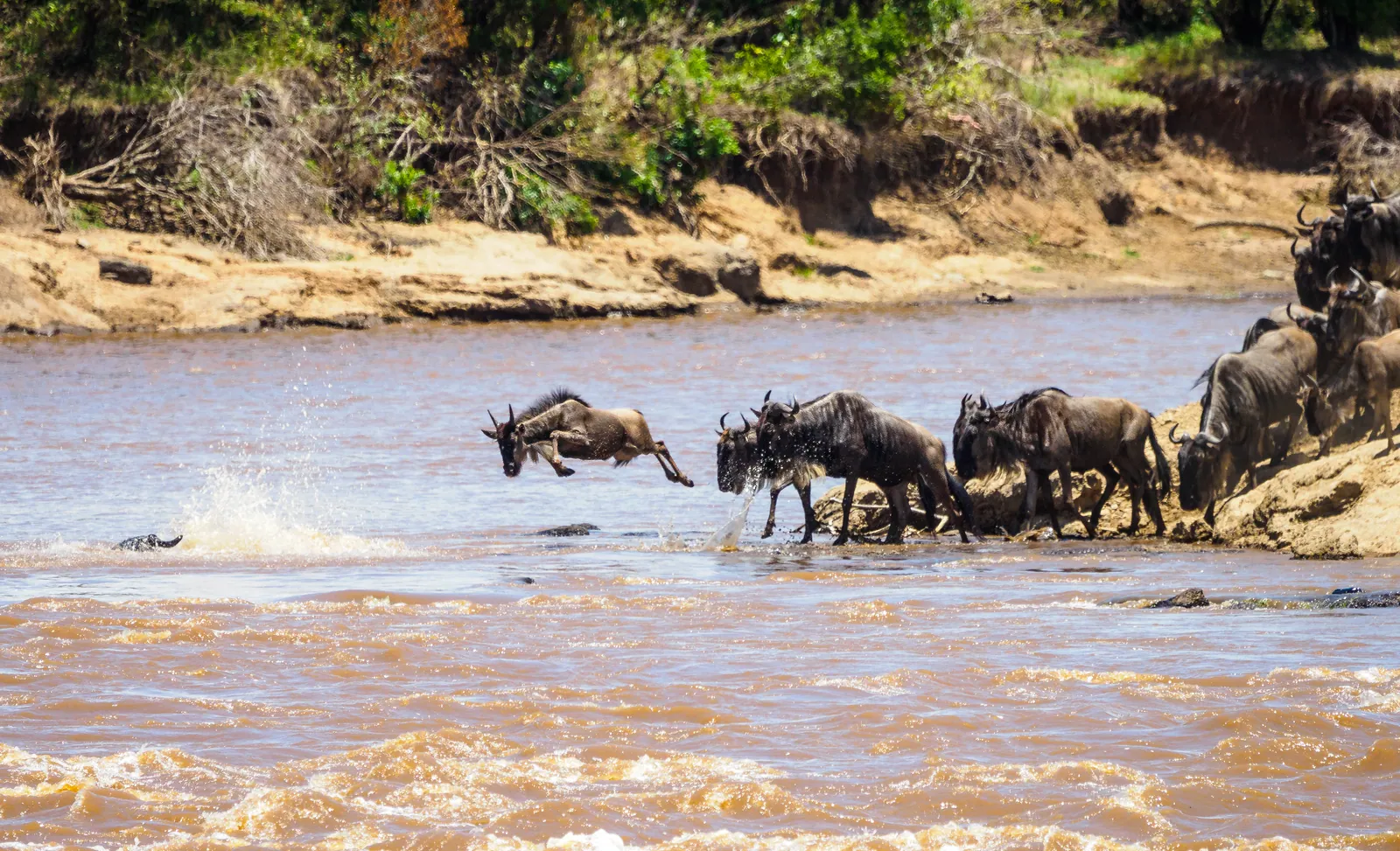
A wildebeest leaping into the Mara River. The crossings, in the north of the Serengeti, are the most photographed moment of the migration.
- Region
- Mara Region, Lake Zone
- Population
- 2,372,015 (2022 census)
- Area
- 21,760 km²
- Capital
- Musoma, on Lake Victoria
- Borders
- Kenya, and the Serengeti
Butiama
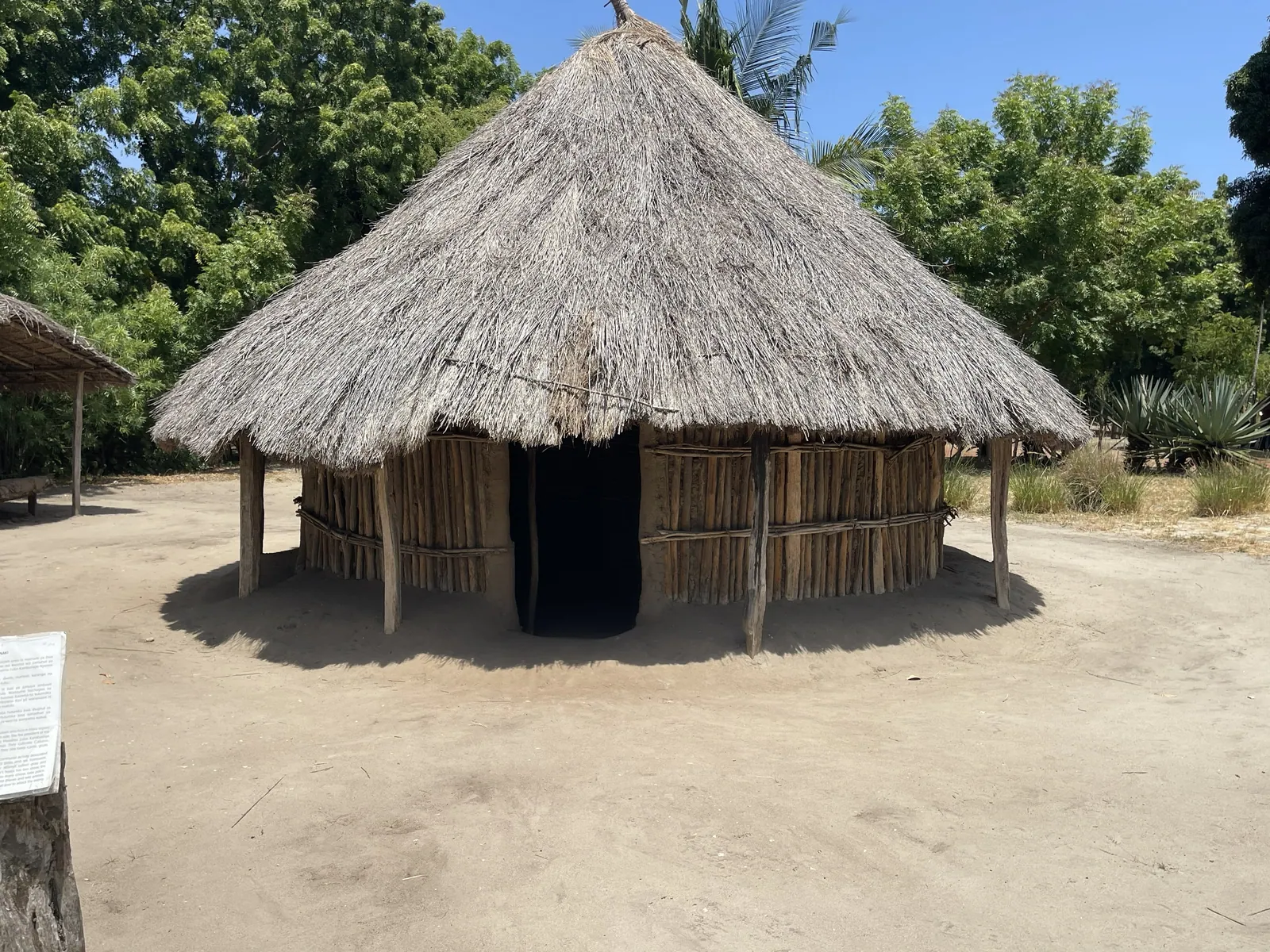
Julius Kambarage Nyerere was born at Butiama, a Zanaki village inland from Musoma, in 1922 — the son of a chief, educated at Tabora and Makerere and then at Edinburgh, and the man who led Tanganyika to independence in 1961 and united it with Zanzibar in 1964. He resigned the presidency in 1985, died in 1999, and is buried at Butiama, where a national museum tells the story.
The region's older history is one of small, independent societies — Zanaki, Kuria, Ikoma, Jita, Luo and others — farming, herding and fishing on the lake shore and the plains behind it, with no large centralised state of the kind found around Lake Victoria's western shore.
The border with Kenya runs across the top of the region, and the relationship across it is old: the Luo and the Kuria live on both sides, the markets are shared, and a great deal of everyday movement ignores the line entirely.
Fish, gold and the park gate
What the region lives on
- Fishing
- Lake Victoria — the largest single employer
- Gold
- North Mara mine, Tarime District
- Farming
- Maize, cassava, cotton and coffee
- Livestock
- Large herds, especially in Kuria country
- Tourism
- The northern Serengeti and its gates
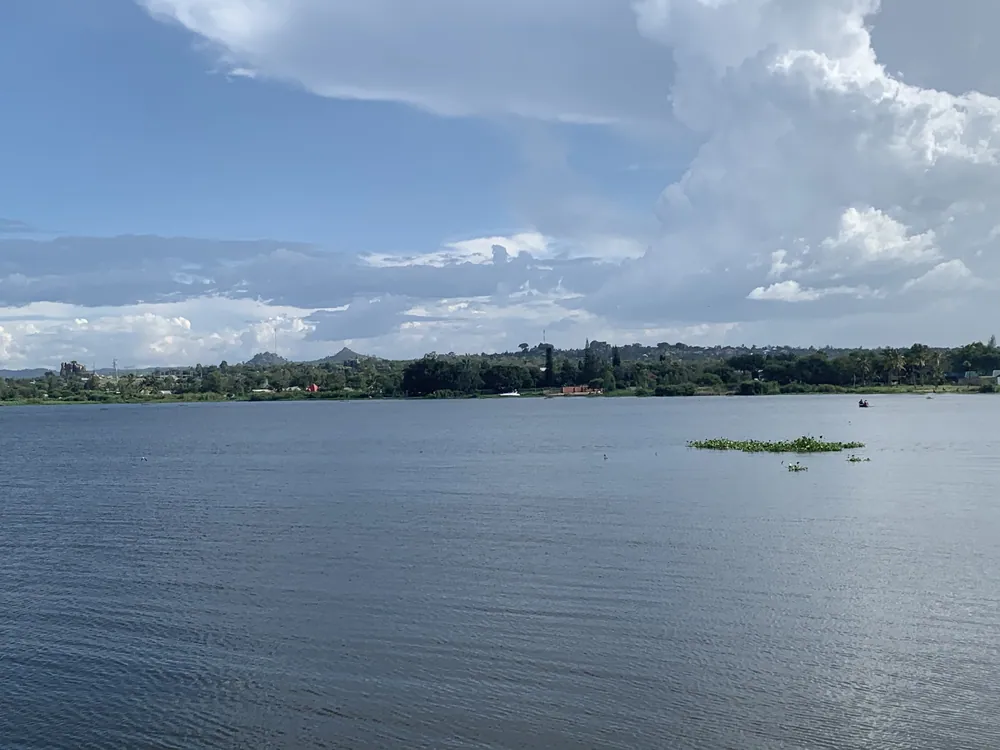
Fishing is the region's biggest business. Lake Victoria's Nile perch and dagaa support a very large number of households directly and many more in processing, transport and trade.
Gold is the other pillar and the more contested one. The North Mara mine in Tarime District has been in production since 2002; it is a major taxpayer and employer, and it has also been the subject of long-running disputes with neighbouring villages over land, water and the conduct of mine security, including deaths of local people in incidents on the site.
Farming and herding fill the rest: maize, cassava, cotton and some coffee, with cattle kept in numbers in the Kuria highlands. And in the east, the Serengeti brings a tourism economy that mostly flies over the region on its way to the camps.
The river crossings, and the country behind them
The Mara River rises in Kenya, runs through the northern Serengeti and empties into Lake Victoria in this region. Between about July and October, as the migration moves north and back, hundreds of thousands of wildebeest and zebra cross it — plunging down cut banks into crocodile water in the scenes that most people picture when they think of the Serengeti.
Behind the park, the region is agricultural and, in places, strongly traditional. The Kuria of Tarime keep cattle and a strong age-set culture; the Zanaki around Butiama, the Jita and Luo along the lake, and the Ikoma on the park's edge each have their own languages and customs.
Musoma itself is a relaxed lake town on a peninsula, with rocks, sunsets and a fish market, and it makes a much cheaper base for the northern Serengeti than Arusha does.
Towns, parks and places across Mara Region
Town
Musoma
The regional capital on a peninsula in Lake Victoria — fish market, rocks and lake sunsets.
Historic village
Butiama
Nyerere's birthplace and burial place, inland from Musoma, with the Mwalimu Julius Nyerere Museum.
National park
Serengeti National Park
The park's northern sector, including the Mara River crossings, lies in this region.
Town & district
Tarime
The highland district on the Kenyan border, Kuria country, and the site of the North Mara gold mine.
Lakeshore
Rorya and the Shirati shore
The northern lake shore towards the Kenyan border — fishing villages and quiet water.
Town
Bunda
A market town between the lake and the park, on the road south towards Mwanza.
Informational — none of this is ticketed by us
Wildlife spectacle
The Mara River crossings
Roughly July to October, in the northern Serengeti. Patience matters: herds gather for hours before crossing.
Museum
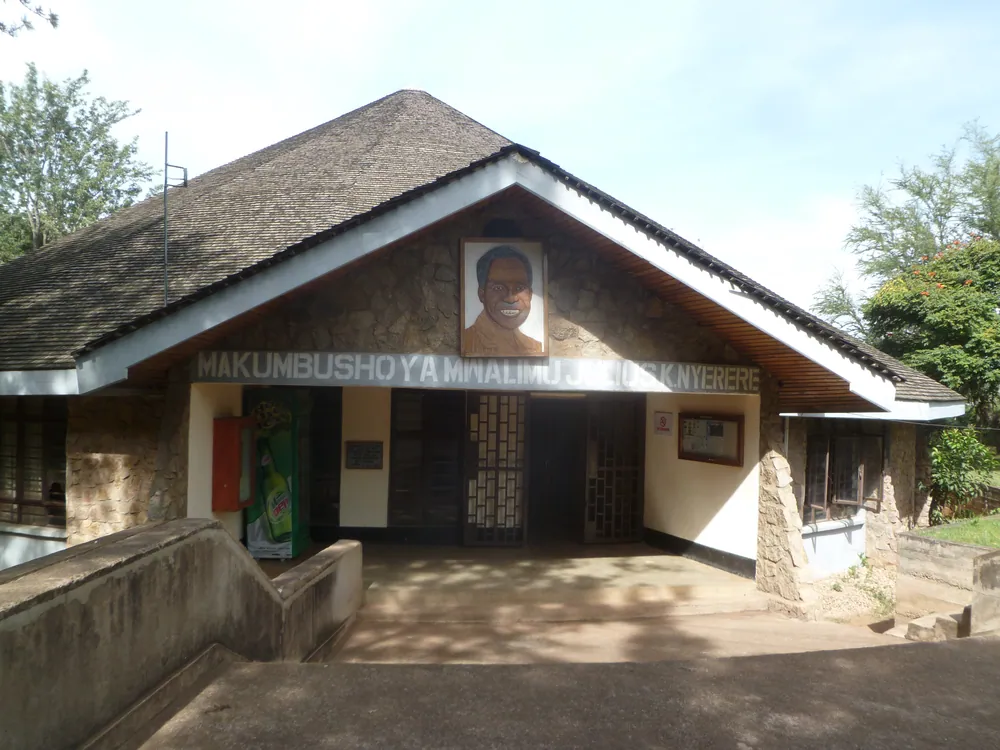
Mwalimu Julius Nyerere Museum, Butiama
The founding president's home village, his grave, and a museum of the independence years.
Lakeshore
Musoma lakefront
Granite rocks, fishing boats and one of the better sunsets on Lake Victoria.
National park
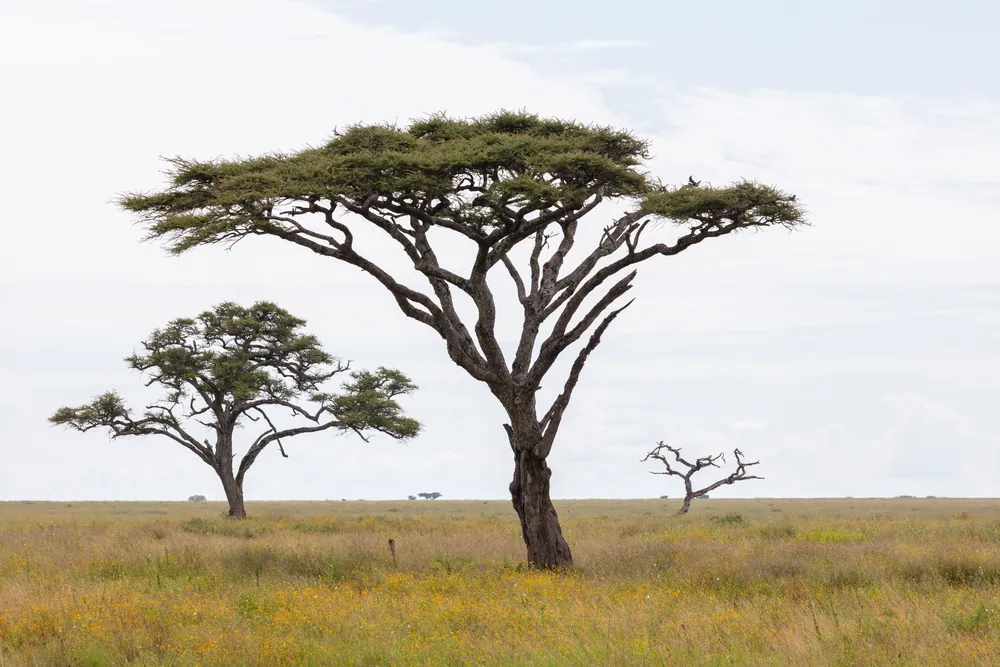
The northern Serengeti
Kogatende and the northern plains — the quietest part of the park outside crossing season.
Highlands
Kuria country, Tarime
Cattle country in the hills on the Kenyan border, with a strong and distinct culture.
Lakeshore
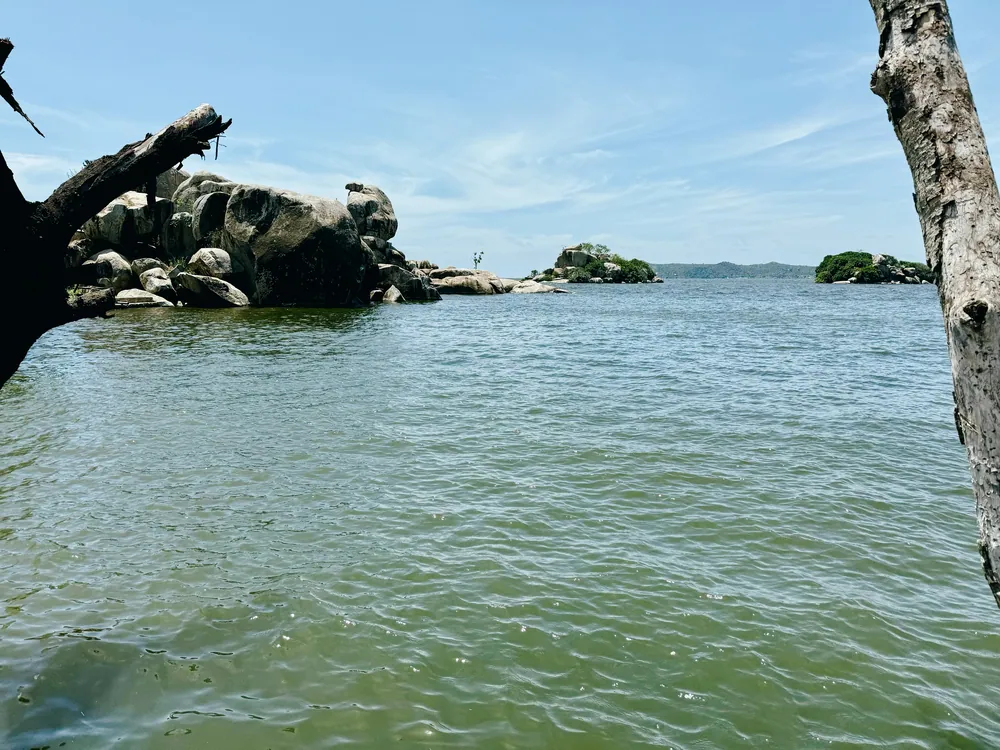
The lake shore at Rorya
Fishing villages north of Musoma, almost entirely unvisited.
Before you go
- Getting there
- Musoma has an airport with light-aircraft services, and the road from Mwanza runs up the lake in about four hours. Serengeti airstrips at Kogatende serve the north of the park.
- Getting around
- A vehicle and driver. The Serengeti's northern gates are a long drive from the lake towns.
- When to come
- July to October for the river crossings. The rest of the year the north is quiet, green and much cheaper.
- Park fees
- Serengeti entry is charged by TANAPA at the gate; northern-sector camps usually include park fees in their rates.
- On the lake
- Bilharzia is present in Lake Victoria. Take local advice before swimming, and avoid still, weedy shallows.
- Money
- Shillings. ATMs in Musoma, Tarime and Bunda; carry cash for the villages.
Last reviewed 2026-09-17
Editorial — fact-check complete
Checked against
- 2022 Population and Housing Census — administrative unitsNational Bureau of Statistics, Tanzania
- Mara Region — area, districts, peoples, economyWikipedia
- North Mara Gold Mine — operation since 2002, disputes with neighbouring villagesWikipedia
- Serengeti National ParkTanzania National Parks (TANAPA)