The Union of Tanganyika and Zanzibar
On 26 April 1964 Tanganyika and Zanzibar became one country. The deal was agreed in secret in a few days, signed in Zanzibar on 22 April, and given a new name, Tanzania, six months later. It still shapes how the country is governed.
Edited by Kabeer Dalvi · Updated 14 October 2026
- Signed
- 22 April 1964, in Zanzibar
- Union Day
- 26 April 1964, a public holiday
- Signed by
- Julius Nyerere and Abeid Karume
- Named Tanzania
- 29 October 1964
- Union matters
- 11 in 1964, 22 today
Early 1964: two young countries
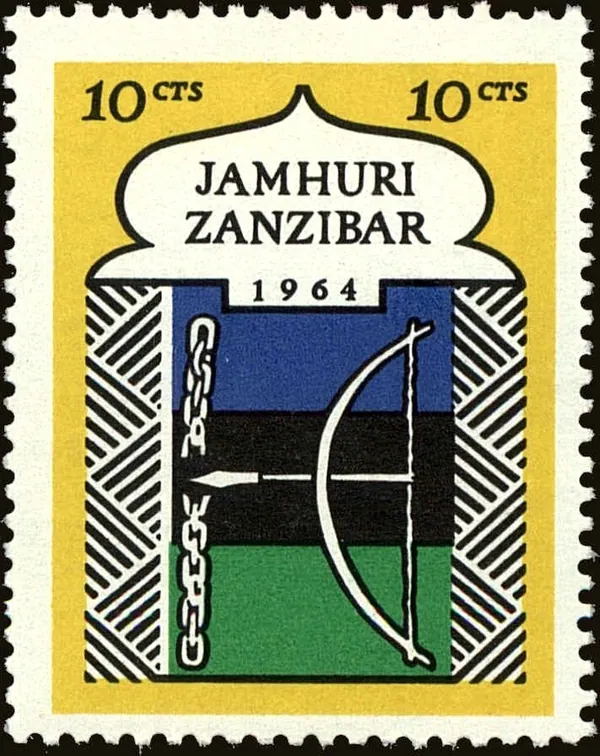
In early 1964 the two countries were both brand new. Tanganyika, on the mainland, had been independent from Britain since 9 December 1961, under Julius Nyerere. Zanzibar, the islands of Unguja and Pemba, became independent on 10 December 1963 as a monarchy under its sultan.
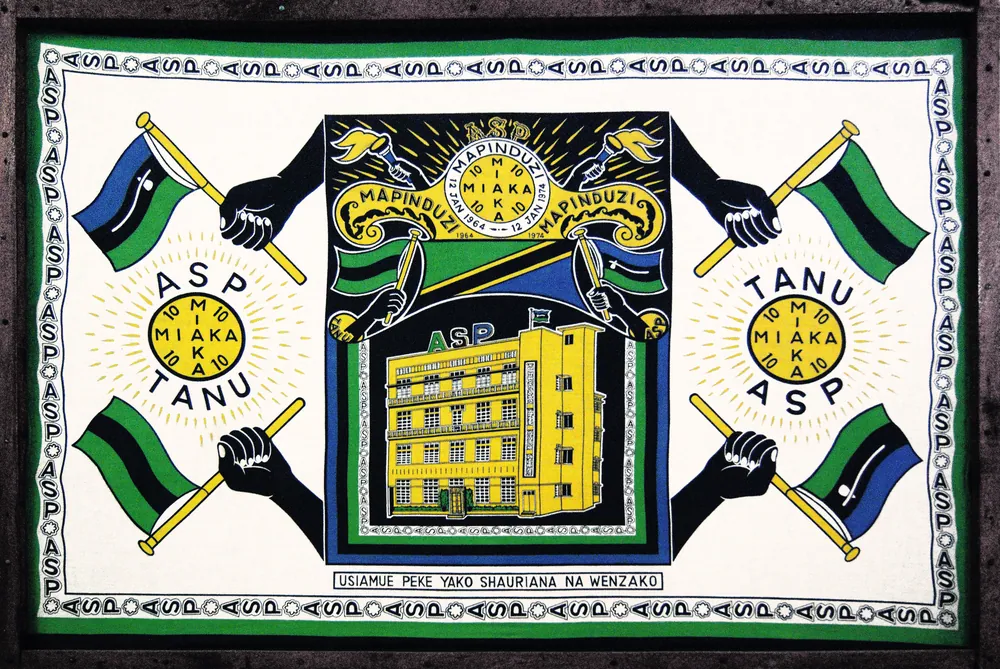
A month later the sultan was gone. In the Zanzibar Revolution of 12 January 1964, fighters of the Afro-Shirazi Party overthrew him, and Abeid Karume became president of the new People's Republic of Zanzibar and Pemba. That story is told on The Zanzibar Revolution.
The new government leaned to the left, and it worried Western diplomats. A news report of April 1964 said they feared Zanzibar would become the "Cuba of Africa": its foreign minister, Abdulrahman Babu, had ordered an American space-tracking station off the island and was reported to have received Soviet arms. On the mainland, Nyerere had just survived a mutiny of his own army in January, put down with British help.
A deal made in a week
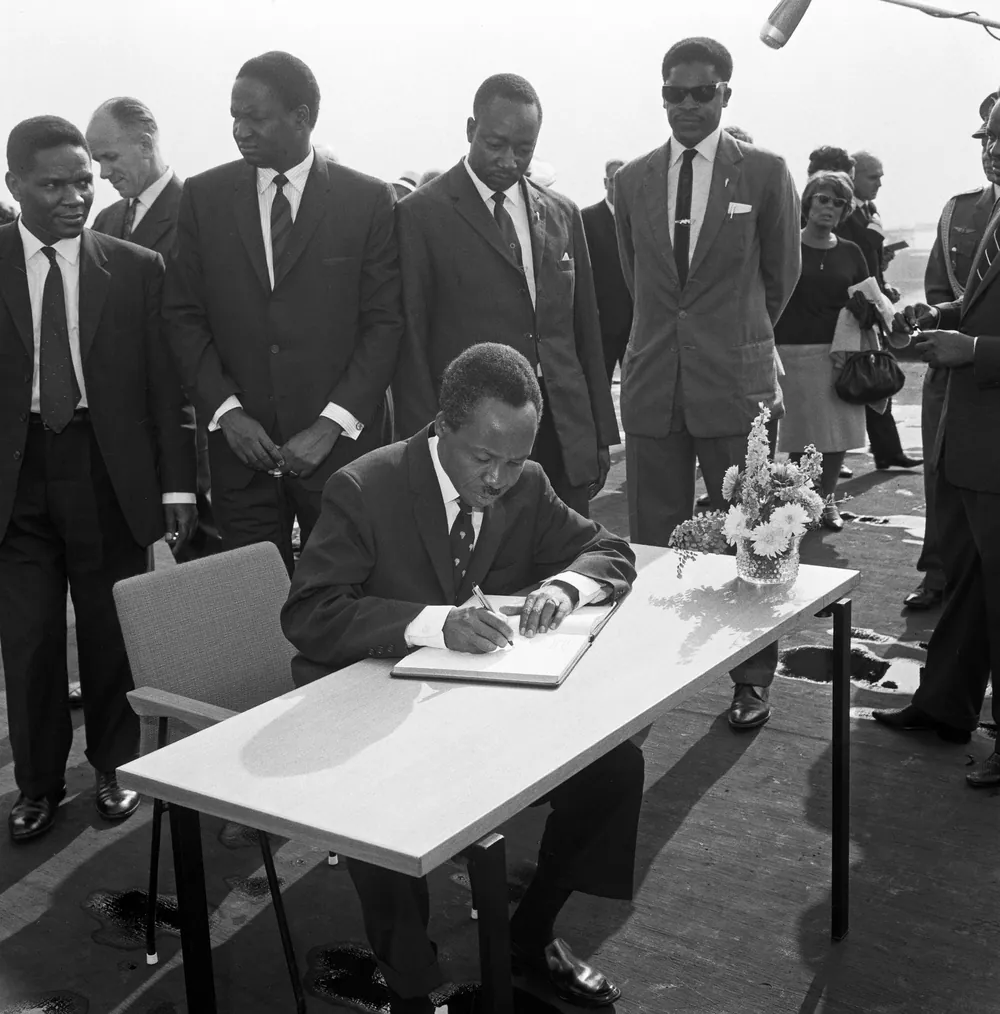
The two presidents negotiated in secret. Pius Msekwa, then clerk of Tanganyika's parliament, later recalled that they agreed to keep the talks quiet until they had signed, for fear that opponents would wreck them. When Nyerere flew to Zanzibar, the ruling party's newspaper described the trip as a friendly visit. Babu was out of the country.
On 22 April 1964, at Zanzibar, Nyerere and Karume signed the Articles of Union. Their opening words give the reason: the two governments were "mindful of the long association of the peoples of these lands and of their ties of kinship and amity" and wished to further "the unity of African peoples".
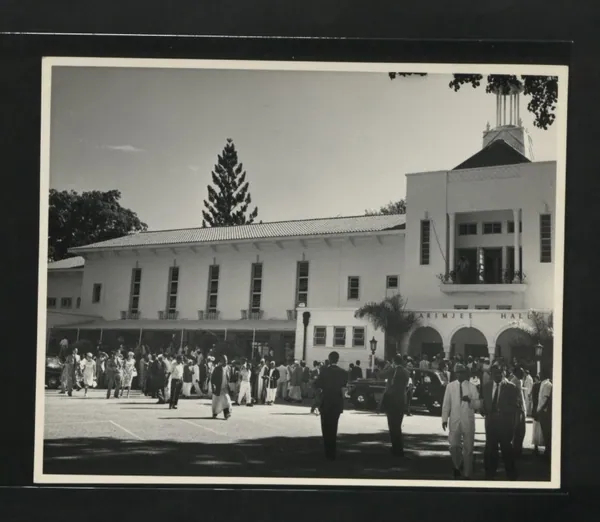
Tanganyika's parliament passed the Union of Tanganyika and Zanzibar Act on 25 April, under a certificate of urgency, and the union took effect the next day, 26 April 1964. On 27 April the two leaders exchanged the instruments of ratification at Karimjee Hall in Dar es Salaam.
What the Articles said
The two republics became one sovereign state, the United Republic of Tanganyika and Zanzibar. Nyerere became its president. There were to be two vice-presidents, one of them living in Zanzibar, who would also be the head of Zanzibar's own government under the title of President of Zanzibar: Karume took that post as First Vice-President. Rashidi Kawawa, from the mainland, became Second Vice-President.
The heart of the deal was a split of powers. A short list of Union matters went to the union's parliament and government. Everything else stayed with Zanzibar's own government for Zanzibar, while the union government ran it for the mainland. There was no separate government for Tanganyika, which is why Tanzania has two governments, not three.
Tanganyika's constitution, amended, served as the interim constitution. The Articles asked for a commission to propose a permanent constitution and a constituent assembly to adopt it within a year. The permanent constitution came in 1977.
| Union matter | |
|---|---|
| 1 | The constitution and government of the United Republic |
| 2 | External affairs |
| 3 | Defence |
| 4 | Police |
| 5 | Emergency powers |
| 6 | Citizenship |
| 7 | Immigration |
| 8 | External trade and borrowing |
| 9 | The public service of the United Republic |
| 10 | Income tax, corporation tax, customs and excise duties |
| 11 | Harbours, civil aviation, posts and telegraphs |
The soil and the name
The best-known image of the union is a handful of earth. Two young people from the mainland, Sifael Shuma and Elisael Mrema, and two from Zanzibar, Hadija Abbas and a young man named Hassan, carried soil from each country in calabashes. Nyerere mixed the two in a single pot. The mixed soil was taken to State House in Dar es Salaam, where mango seedlings from both sides were planted together in one hole. Accounts differ on the date: some put the ceremony on Union Day 1964, others on the first anniversary in 1965.
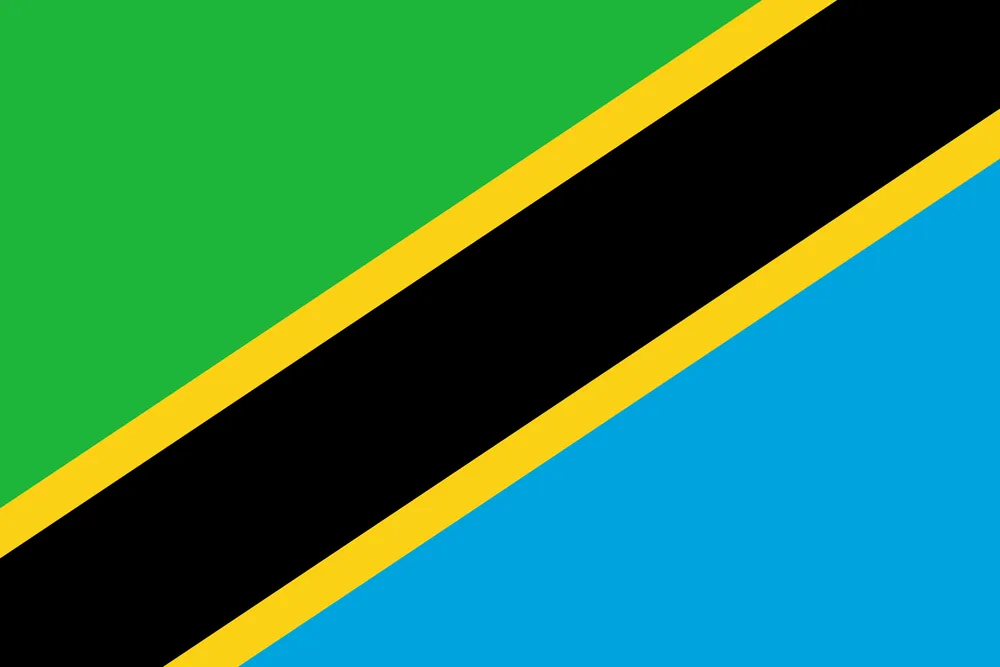
The name came from a newspaper competition. It was won by Mohammed Iqbal Dar, a student from Tanga at Mzumbe Secondary School, who joined TANganyika and ZANzibar. On 29 October 1964 the country became the United Republic of Tanzania.
How the union has changed
The list of Union matters has grown from 11 to 22. Currency and banking were added in 1965; industrial licensing and statistics, higher education, and civil aviation when the East African Community was founded in 1967; oil and natural gas in 1968; the National Examinations Council with the permanent constitution of 1977; the Court of Appeal in 1979; and the registration of political parties in 1992. Changing the list now needs a two-thirds majority of members of parliament from the mainland and two thirds of those from Zanzibar.
Karume was assassinated in 1972. In 1977 the two ruling parties, TANU on the mainland and the Afro-Shirazi Party in Zanzibar, merged as Chama cha Mapinduzi.
How many governments the union should have has been asked more than once. Zanzibar's president Aboud Jumbe, who favoured three governments (one each for Zanzibar, the mainland and the union), lost his posts on 29 January 1984, and Ali Hassan Mwinyi succeeded him. In 2013 the Constitutional Review Commission chaired by Joseph Warioba proposed three governments and a shorter list of Union matters. The Constituent Assembly kept two governments in the draft constitution it passed in October 2014, and the referendum on it, set for 30 April 2015, was postponed. In July 2026 President Samia Suluhu Hassan announced a roadmap towards a new constitution.
The union today
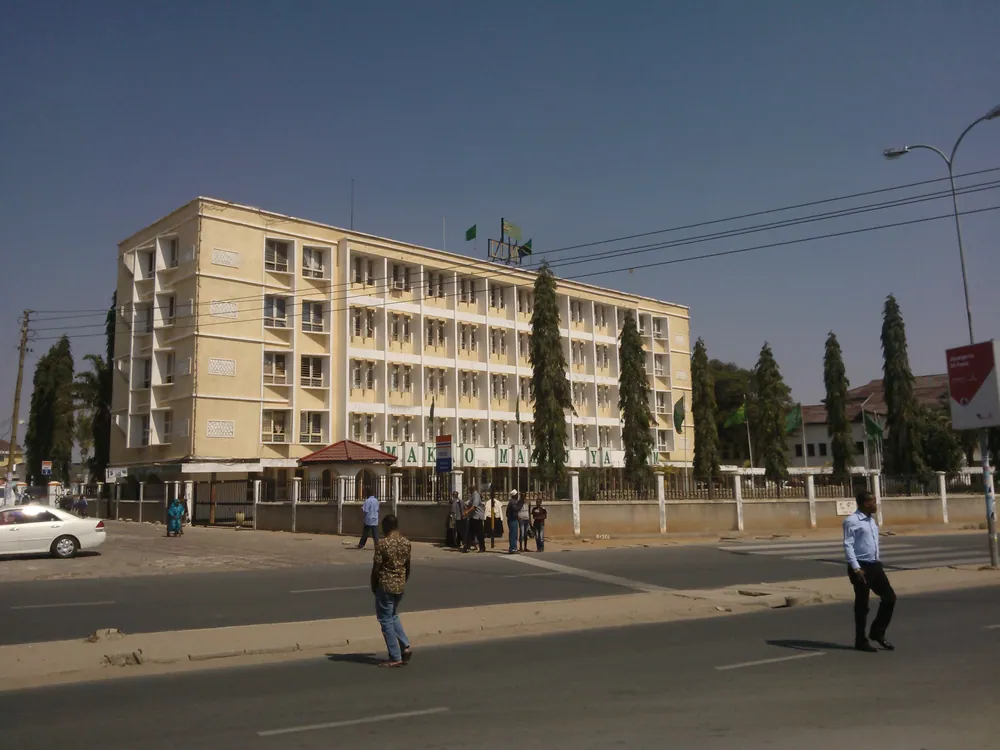
Union Day, 26 April, is a public holiday, and the union's 60th anniversary was marked in 2024. Tanzania remains one country with two governments: the Government of the United Republic and the Revolutionary Government of Zanzibar. How they share power, and the offices of president and vice-president, is explained on Who runs Tanzania.
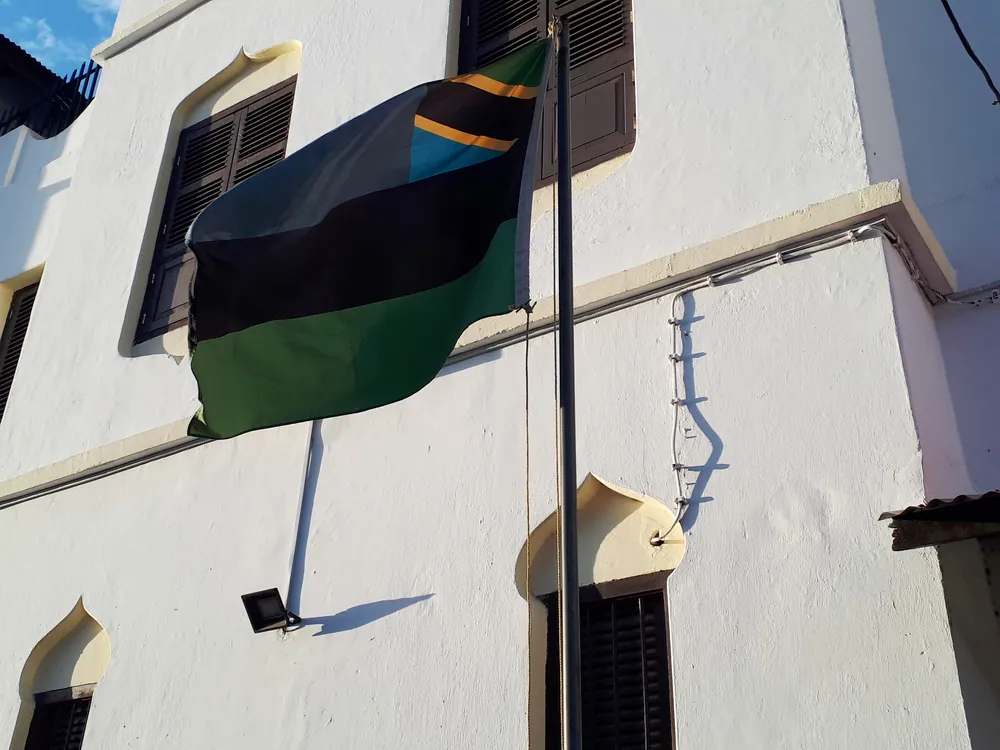
For visitors the union is easy to see and easy to miss. Zanzibar keeps its own president, its own House of Representatives and its own tourism authorities, and it has its own insurance rule for visitors, set out on the visa page. Immigration and the passport are Union matters, so one Tanzanian visa covers the mainland and the islands alike.
- When did Tanganyika and Zanzibar unite?
- On 26 April 1964, now Union Day. The Articles of Union were signed in Zanzibar on 22 April 1964 by Julius Nyerere and Abeid Karume, and Tanganyika's parliament ratified them on 25 April.
- How did Tanzania get its name?
- From a newspaper competition won by Mohammed Iqbal Dar, a student from Tanga, who combined Tanganyika and Zanzibar. The United Republic of Tanganyika and Zanzibar took the name United Republic of Tanzania on 29 October 1964.
- Why did Tanganyika and Zanzibar unite?
- The Articles of Union cite the long ties of kinship between the two peoples and the wish to further the unity of African peoples. The timing followed the Zanzibar Revolution of January 1964, when Western governments feared the islands would become a Cold War foothold.
- What are the Union matters?
- The subjects run by the union government for the whole country, listed in the First Schedule of the constitution. There were 11 in 1964, including defence, foreign affairs, police, citizenship and immigration. There are 22 today.
- Why does Tanzania have two governments and not three?
- Under the Articles of Union, the union government runs both the Union matters and everything else for the mainland, while Zanzibar keeps its own government for non-Union matters on the islands. There is no separate government of Tanganyika. A three-government model has been proposed, most recently by the Warioba commission in 2013, but not adopted.
- Is Zanzibar a separate country?
- No. Zanzibar is part of the United Republic of Tanzania, but it has its own president, House of Representatives and government for matters outside the Union list.
Last reviewed 14 October 2026
Edited by Kabeer Dalvi
Checked against
- The Union of Tanganyika and Zanzibar Act, 1964 (Act No. 22 of 1964), with the Articles of UnionCommission for Human Rights and Good Governance
- Articles of Union: the Union matters, from 11 to 22Vice-President's Office, Tanzania
- Tanganyika, Zanzibar merge to form Tanzania (26 April 1964)UPI
- The untold story of the making of the Tanganyika–Zanzibar unionThe Citizen
- The people behind the Union ceremonyThe Citizen
- Govt eulogises Union soil mixing icon, SifaelDaily News
- Man who coined the name 'Tanzania' dies at 80The Citizen
- Flag of TanzaniaWikipedia
- Flag of ZanzibarWikipedia
- Zanzibar's new flag (news item, 10 January 2005)SADOCC
- Articles of UnionWikipedia
- Aboud Jumbe: he dared and paid the priceThe Citizen
- Tanzanian Constitutional Review CommissionWikipedia
- What's at stake in Tanzania's constitutional referendum: one nation, two governments (2015)LSE Africa at LSE
- Tanzania: New Constitution — Samia unveils roadmap (31 July 2026)allAfrica