Zanzibar: sultanate to revolution
How an Omani sultanate moved its capital to a clove island, grew rich on cloves and the slave trade, came under British protection, fought the shortest war on record, and was overthrown three weeks after independence.
Edited by Kabeer Dalvi · Updated 28 September 2026
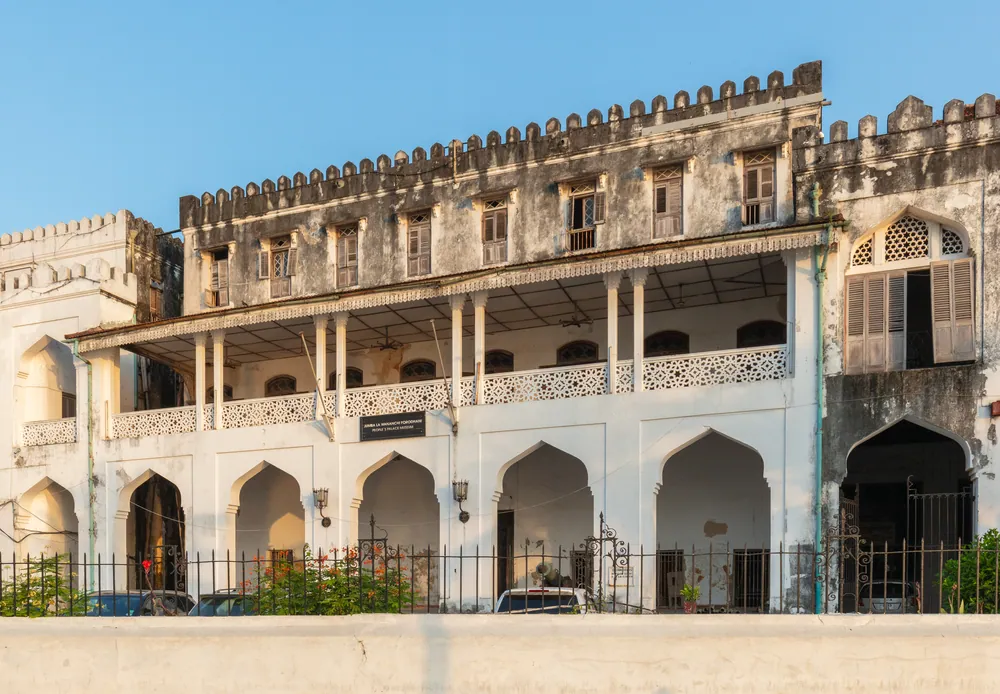
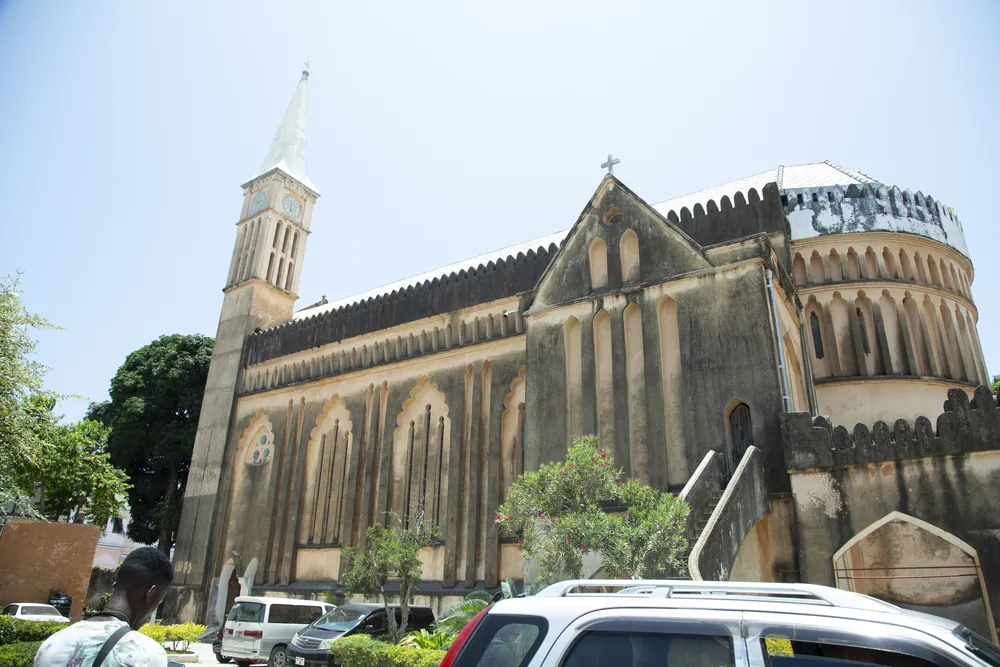
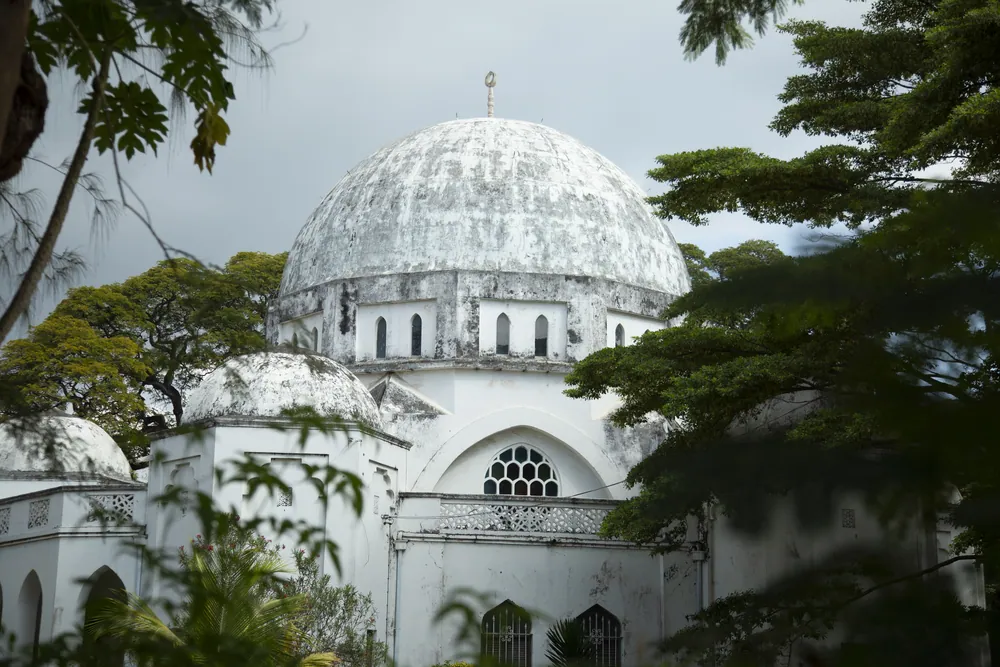
The Sultan's Palace on the Stone Town waterfront.
- Said bin Sultan moves the capital to Zanzibar
- 1840
- Zanzibar's slave market closes
- 1873
- British protectorate begins
- 1890
- The Anglo-Zanzibar War
- 27 August 1896 (38 minutes)
- Zanzibar independence
- 10 December 1963
- The Zanzibar Revolution
- 12 January 1964
The sultanate moves to Zanzibar
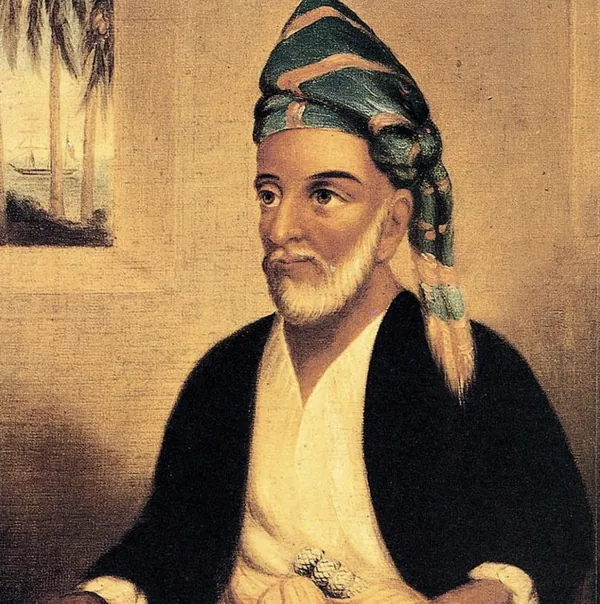
Zanzibar had been an Omani outpost since around 1700, when Omani forces displaced an earlier, loose Portuguese presence. It became the centre of an empire in 1840, when Sultan Said bin Sultan moved the seat of Oman's Busaidi dynasty from Muscat to Zanzibar — the money, by then, was in cloves and the trade routes that carried them, not in Oman.
When Said died in 1856 his sons disputed the succession, and Britain arbitrated. The Canning Award of 1861 split the inheritance: Thuwaini kept Muscat and Oman, and Majid bin Said became the first sultan of an independent Zanzibar, owing Muscat an annual tribute. Nine sultans followed him before the monarchy ended in 1964.
Cloves and the slave trade
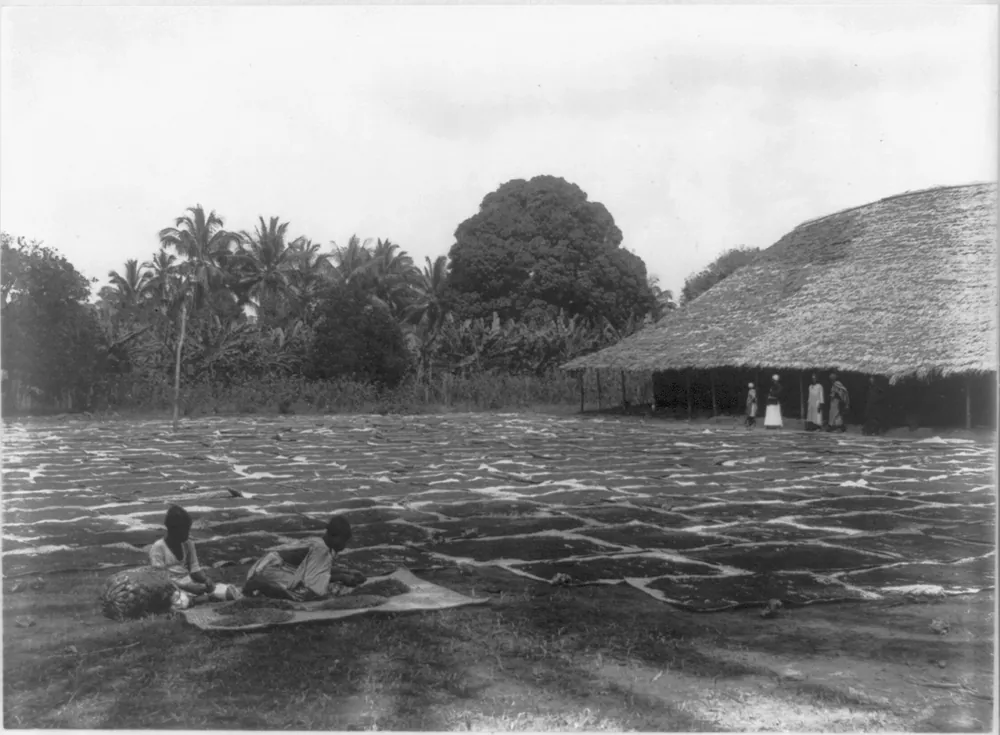
Cloves, introduced to Zanzibar and Pemba early in the nineteenth century, made the islands one of the world's main sources of the spice, and building that plantation economy took enslaved labour on a large scale: captives were marched to the coast from as far inland as Lake Tanganyika, and Zanzibar became East Africa's largest slave market.
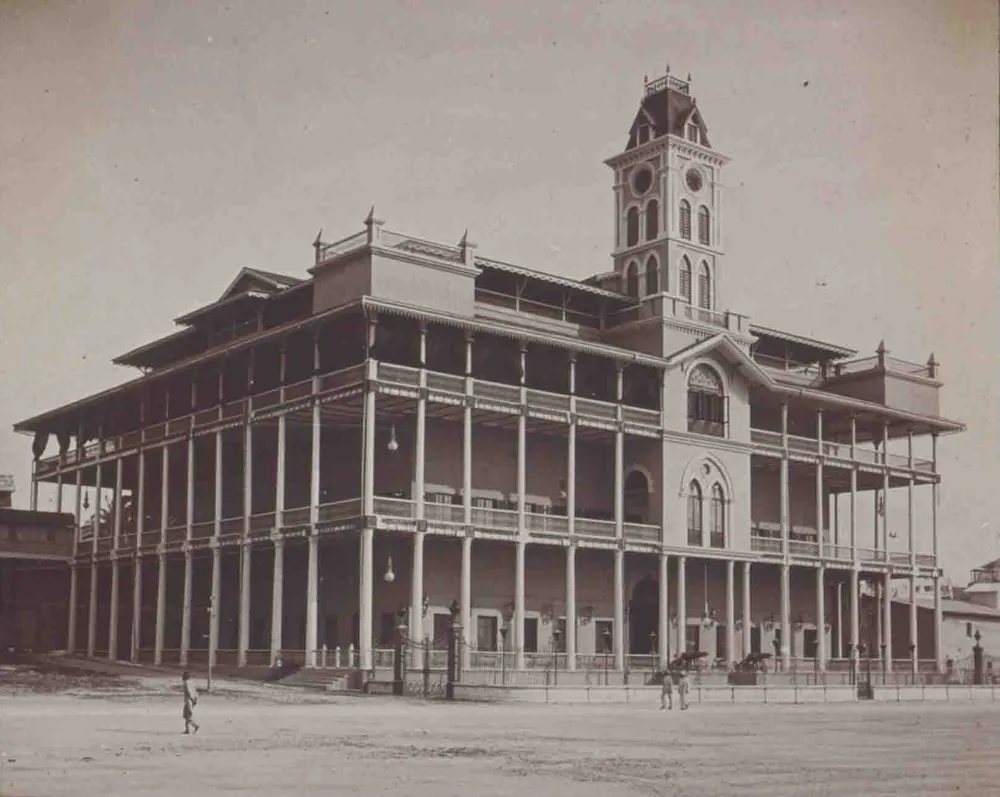
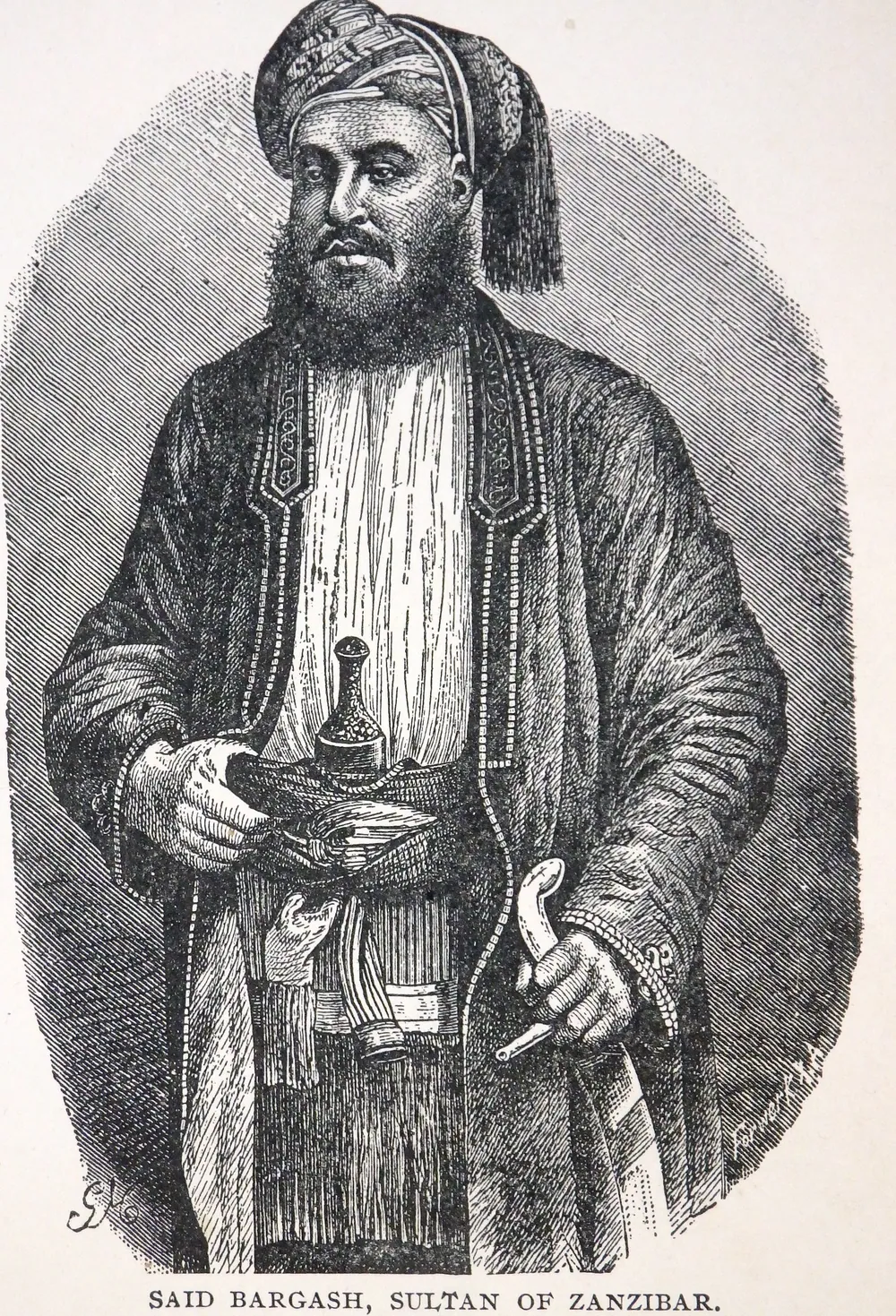
Britain pressed the sultans to stop it for decades. In June 1873 the acting consul John Kirk delivered an ultimatum from the Bartle Frere mission to Sultan Barghash bin Said, who signed within two weeks: the Frere Treaty banned the import of slaves and closed Zanzibar's slave market. Barghash went on to build the House of Wonders in 1883, the first building in East Africa with electric light.
The British protectorate, and the shortest war in history
The Heligoland–Zanzibar Treaty of 1 July 1890 made Zanzibar a British protectorate; the sultan kept his throne and his court, but foreign policy and, increasingly, administration passed to a British resident. The arrangement lasted until independence in 1963.
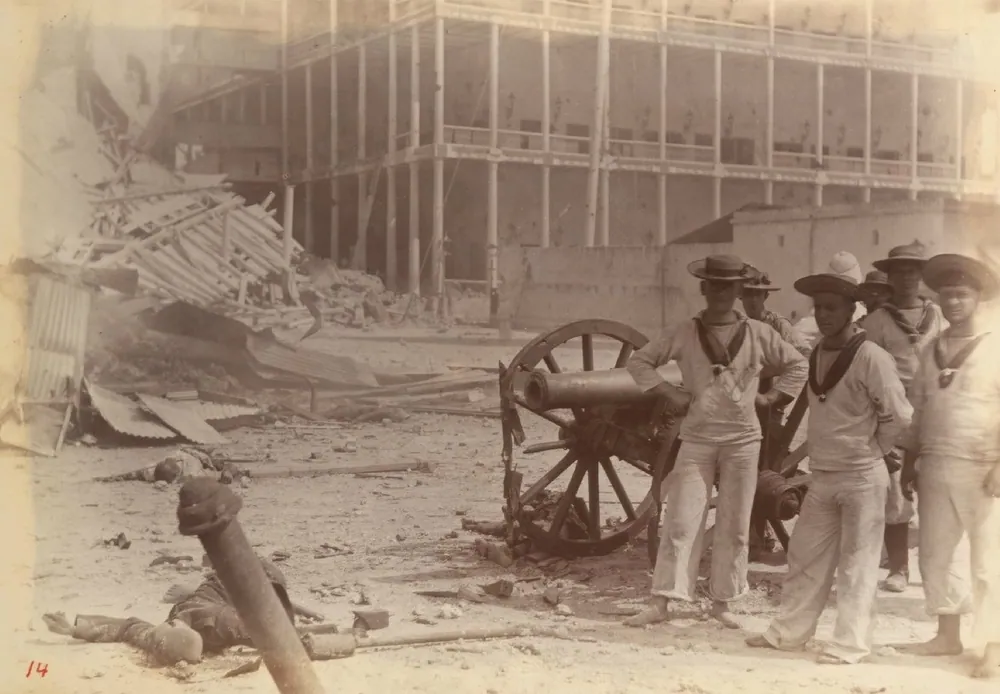
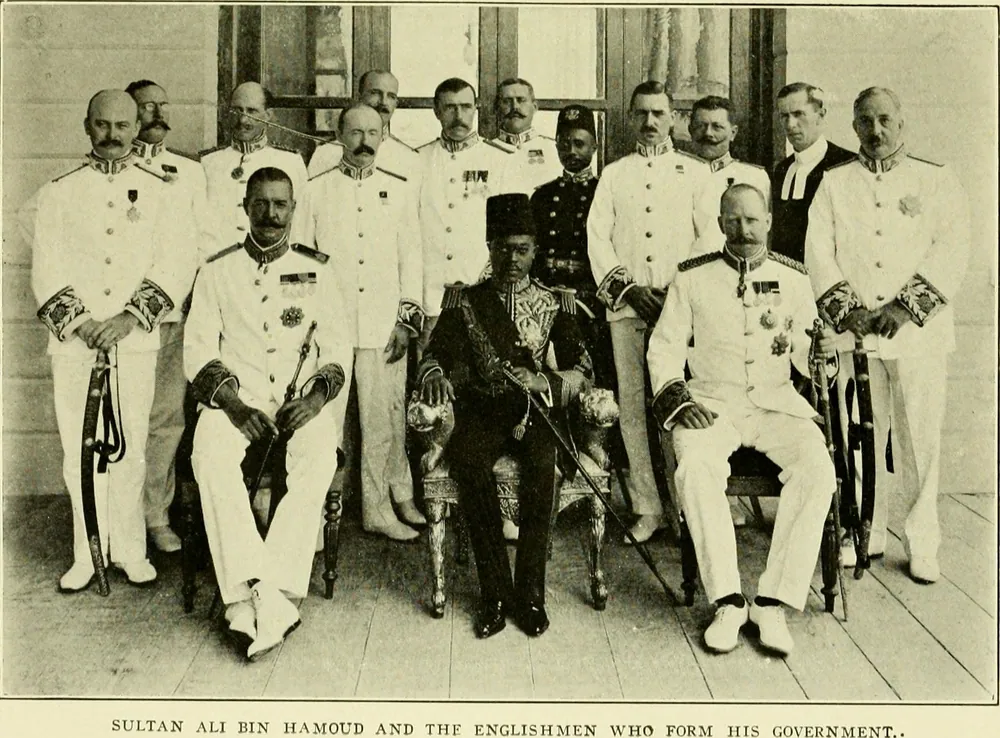
It produced the shortest war on record. When the pro-British Sultan Hamad bin Thuwaini died suddenly on 25 August 1896, his cousin Khalid bin Barghash seized the palace without British consent. Britain gave him an ultimatum; when it expired on 27 August 1896, Royal Navy cruisers opened fire on the palace. The Anglo-Zanzibar War was over in 38 minutes, with around 500 dead — almost all Zanzibaris, most of them the sultan's palace guard — against one British sailor injured. Khalid fled to the German consulate; Britain installed Hamoud bin Mohammed as sultan in his place.
Independence and the Zanzibar Revolution
Zanzibar became independent on 10 December 1963 as a constitutional monarchy under Sultan Jamshid bin Abdullah, with an elected government led by an Arab-dominated coalition. It lasted a month.
On the night of 11–12 January 1964, fighters of the Afro-Shirazi Party, led by a Ugandan, John Okello, seized the armouries and the radio station and overthrew the sultan, who fled on the royal yacht. Thousands died in the violence against Zanzibar's Arab and South Asian communities that followed; estimates range from several hundred to 20,000. The full story, from the 1963 election to the sultan's exile, is on The Zanzibar Revolution.
Abeid Karume, leader of the Afro-Shirazi Party, became president of the new People's Republic of Zanzibar and Pemba, and Okello was sidelined within weeks and later barred from returning to the islands. On 26 April 1964 Zanzibar united with Tanganyika to form what became the United Republic of Tanzania. How the union was agreed, and what it says, is told on The Union of 1964; what followed under Julius Nyerere is on Independence and the Nyerere years. Karume was assassinated in 1972. Zanzibar's own presidents since the revolution are listed on Who runs Tanzania.
- When did Zanzibar's sultanate begin?
- Zanzibar had been under loose Omani control since around 1700, but became an independent sultanate in its own right in 1861, under the Canning Award, after Sultan Said bin Sultan had moved the Omani dynasty's capital there in 1840.
- When did Zanzibar's slave trade end?
- Zanzibar's slave market closed in 1873, when Sultan Barghash bin Said signed the Frere Treaty under British pressure, banning the import of enslaved people.
- What was the shortest war in history?
- The Anglo-Zanzibar War of 27 August 1896, between Britain and Sultan Khalid bin Barghash, who had seized the throne without British approval. It lasted 38 minutes.
- What was the Zanzibar Revolution?
- An uprising on 12 January 1964, a month after independence, in which Afro-Shirazi Party fighters led by John Okello overthrew Sultan Jamshid bin Abdullah and declared a republic under Abeid Karume. Zanzibar united with Tanganyika three months later, on 26 April 1964.
- How many people died in the Zanzibar Revolution?
- Sources disagree sharply, with estimates for the revolution and the violence against Arab and South Asian residents that followed it ranging from several hundred to 20,000; Western newspapers at the time reported 2,000 to 4,000. No reliable count exists.
Last reviewed 28 September 2026
Edited by Kabeer Dalvi
Checked against
- Sultanate of ZanzibarWikipedia
- Said bin SultanWikipedia
- Majid bin Said of Zanzibar — the Canning Award, 1861Wikipedia
- Frere Treaty (1873)Wikipedia
- Anglo-Zanzibar WarWikipedia
- Anglo-Zanzibar War — summary and casualtiesEncyclopaedia Britannica
- Zanzibar RevolutionWikipedia
- John OkelloWikipedia
- The Zanzibar Revolution of 1964BlackPast