Independence and the Nyerere years
How Tanganyika won independence without a war, joined Zanzibar to make Tanzania, and spent a quarter of a century under Julius Nyerere building a one-party socialist state: the Arusha Declaration, ujamaa villages, a new capital, and a war with Idi Amin's Uganda.
Edited by Kabeer Dalvi · Updated 28 September 2026
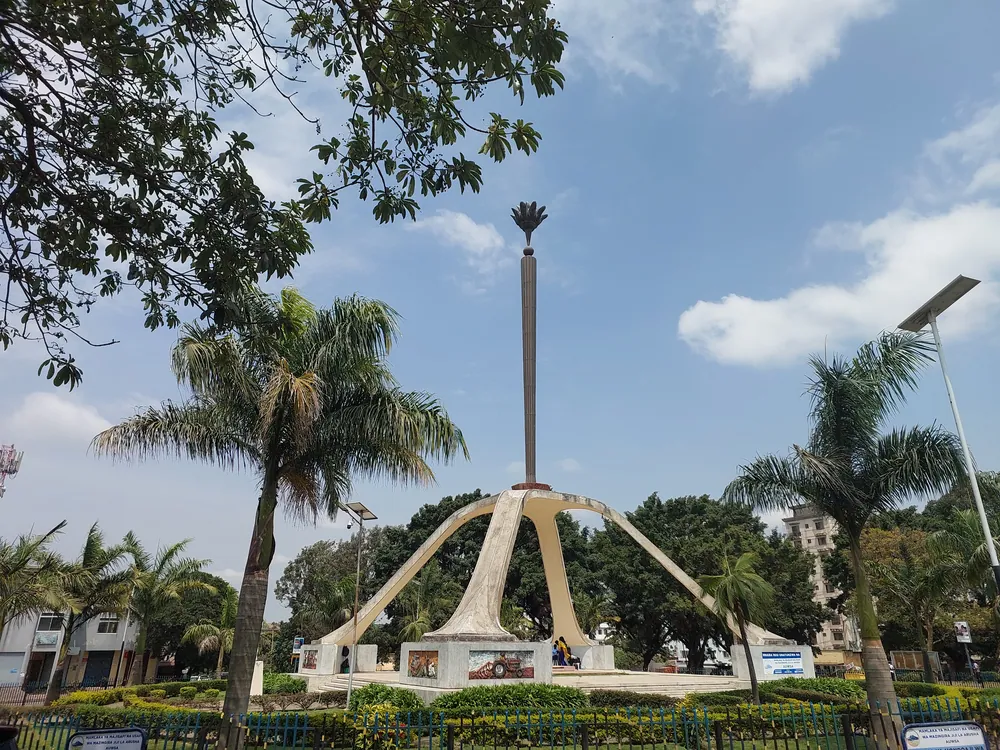
The Arusha Declaration Monument in the centre of Arusha.
- Independence
- 9 December 1961 (Tanganyika)
- Republic
- 9 December 1962
- Union with Zanzibar
- 26 April 1964
- Arusha Declaration
- 5 February 1967
- Nyerere steps down
- 5 November 1985
The road to independence
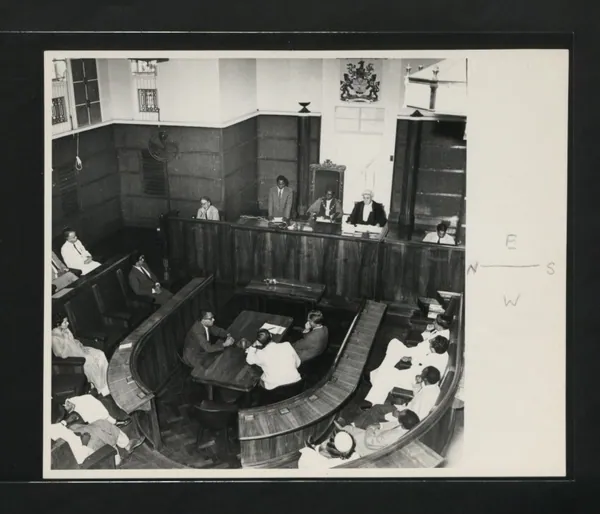
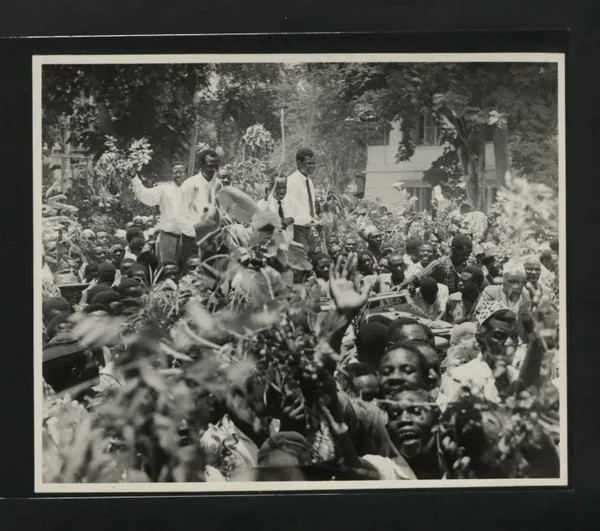
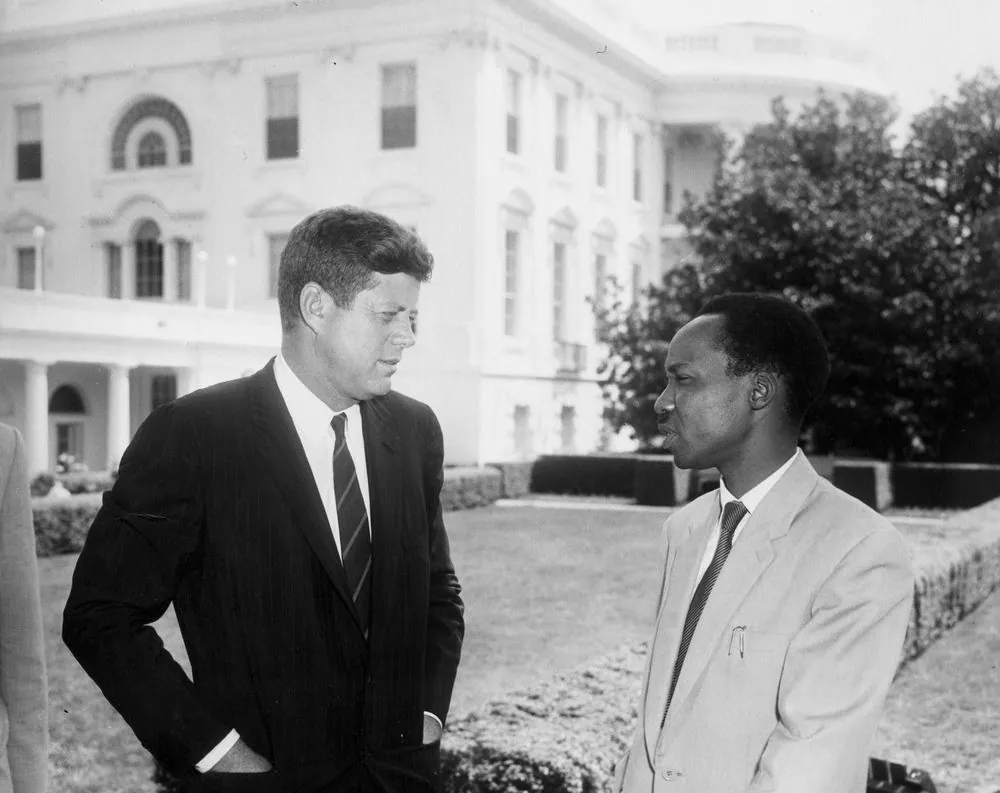
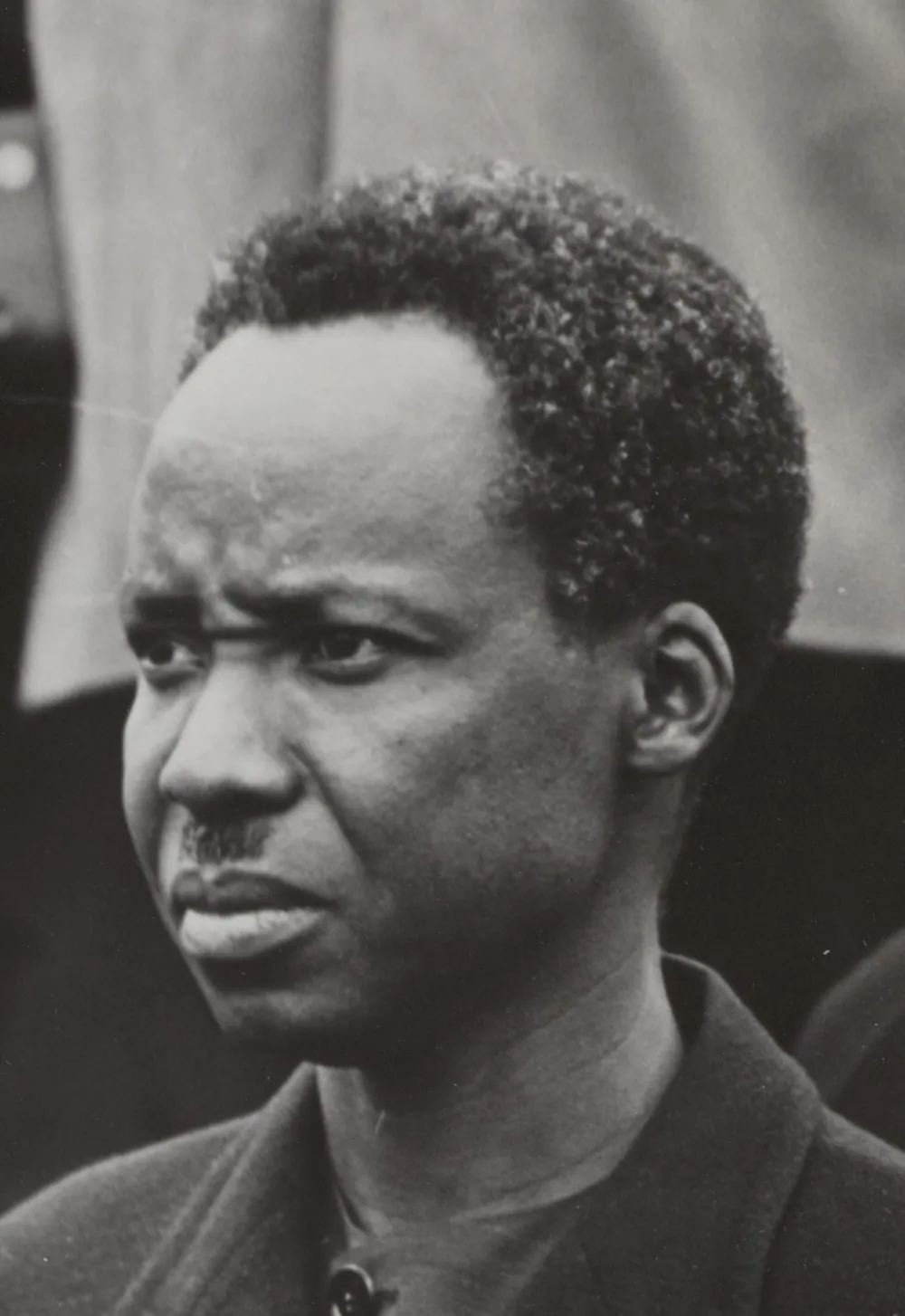
Tanganyika came out of the Second World War as a United Nations trust territory under British administration, which meant the UN watched how Britain ran it; the years before are told on British Tanganyika. On 7 July 1954 seventeen founders turned the Tanganyika African Association into the Tanganyika African National Union (TANU), with Julius Nyerere, a young teacher, as its president. He took TANU's case for independence to the UN Trusteeship Council in New York.
TANU won the colony's elections of 1958–59, and in the election of August 1960 it took 70 of the 71 elected seats; the last went to a TANU member who had stood against the party's candidate. Nyerere became Chief Minister on 2 September 1960 and Prime Minister when the territory gained internal self-government on 1 May 1961.
Tanganyika became independent on 9 December 1961, after negotiation, not armed struggle. The British queen stayed head of state for a year. In January 1962 Nyerere handed the prime ministership to Rashidi Kawawa. He was elected president on 1 November 1962, and Tanganyika became a republic on 9 December 1962. Independence Day, 9 December, is a public holiday.
1964: mutiny, revolution and union
The new state was tested within weeks. Just after midnight on 20 January 1964 soldiers of the First Battalion of the Tanganyika Rifles seized the arms at Colito Barracks outside Dar es Salaam, arrested their British officers and took over key points in the city. Nyerere asked Britain for help, and on 25 January Royal Marines of 45 Commando landed and ended the mutiny.
The same month, on 12 January 1964, a revolution in Zanzibar overthrew the sultan, a month after Zanzibar's own independence. On 26 April 1964 Tanganyika and Zanzibar united as the United Republic of Tanganyika and Zanzibar, renamed the United Republic of Tanzania on 29 October 1964. Nyerere became president of the union, and Zanzibar's leader, Abeid Karume, its First Vice-President. The full story of how the deal was made, what it says and how it has changed is on The Union of 1964.
A one-party state
From 1965 the constitution made Tanzania a one-party state: TANU on the mainland and the Afro-Shirazi Party in Zanzibar. On 5 February 1977 the two parties merged as Chama cha Mapinduzi (CCM), the Party of the Revolution, and a new permanent constitution was adopted the same year. The one-party system lasted until 1992.
Nyerere made Kiswahili the national language, used in government, parliament and schools. It gave a country of more than a hundred ethnic groups one shared language.
The Arusha Declaration and ujamaa
On 5 February 1967, after a TANU meeting in Arusha, Nyerere issued the Arusha Declaration. It committed Tanzania to socialism and self-reliance, ujamaa (familyhood), warned against depending on foreign aid and loans, and barred leaders from holding shares or renting out houses. The next day all private commercial banks were nationalised, and within weeks the state controlled insurance, the big trading firms and the sisal plantations.
In the countryside ujamaa meant villages: from 1973 to 1976, in Operation Vijiji, millions of rural people were moved into them, many by force. The full story, from the meeting to the reforms of the 1980s and 1990s, is on The Arusha Declaration.
A new capital and a railway to Zambia
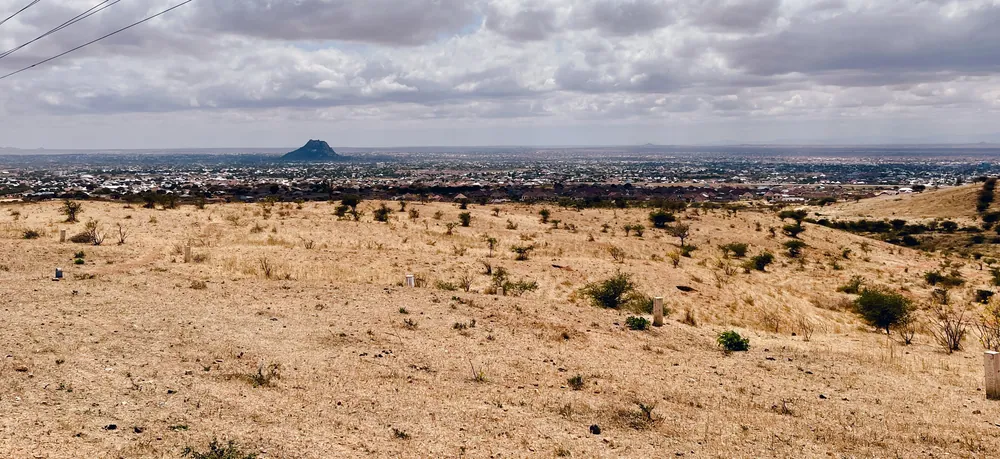
In 1973 the government decided to move the capital inland from Dar es Salaam to Dodoma, near the centre of the country. The move took decades to complete.
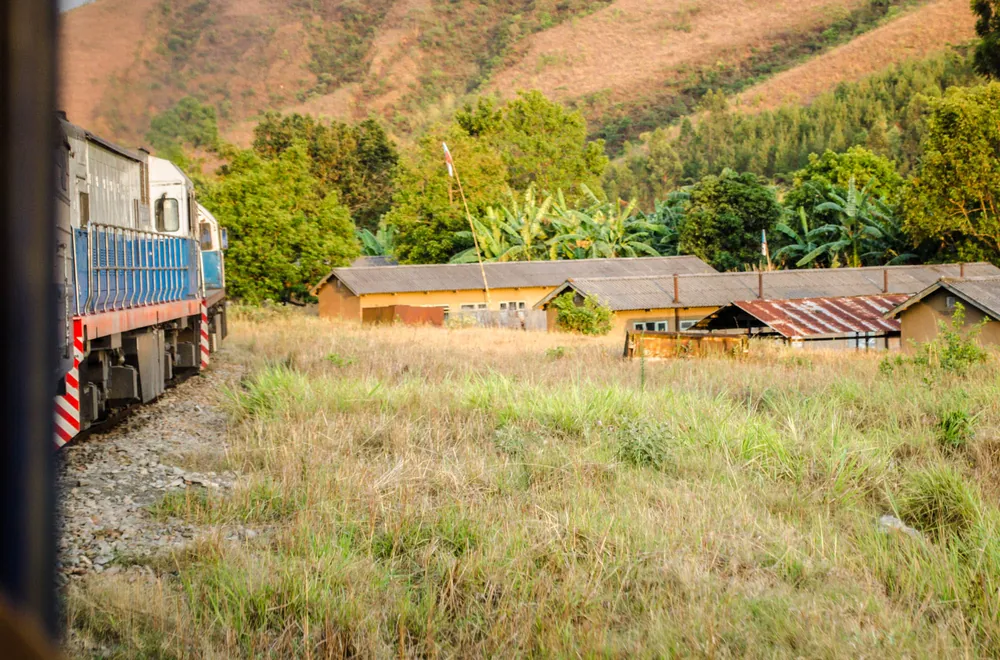
Between 1970 and 1975 China, Tanzania and Zambia built the TAZARA railway from Dar es Salaam to Kapiri Mposhi in Zambia, so that landlocked Zambia could export its copper without crossing the white-ruled states to the south. It still runs: see Getting around Tanzania.
The breakup of the East African Community, and war with Uganda
Tanzania, Kenya and Uganda had shared a customs union, an airline, railways and harbours through the East African Community. Relations broke down, and in February 1977 Tanzania closed its border with Kenya. The Community collapsed that year. A new East African Community was set up by a treaty that came into force in 2000.
In October 1978 Idi Amin's army invaded the Kagera Salient, north-west of Lake Victoria. Tanzania drove it out and, with Ugandan exiles, took Kampala in April 1979; Amin fled. The war cost Tanzania heavily. The Kagera guide tells the story where it happened.
Stepping down
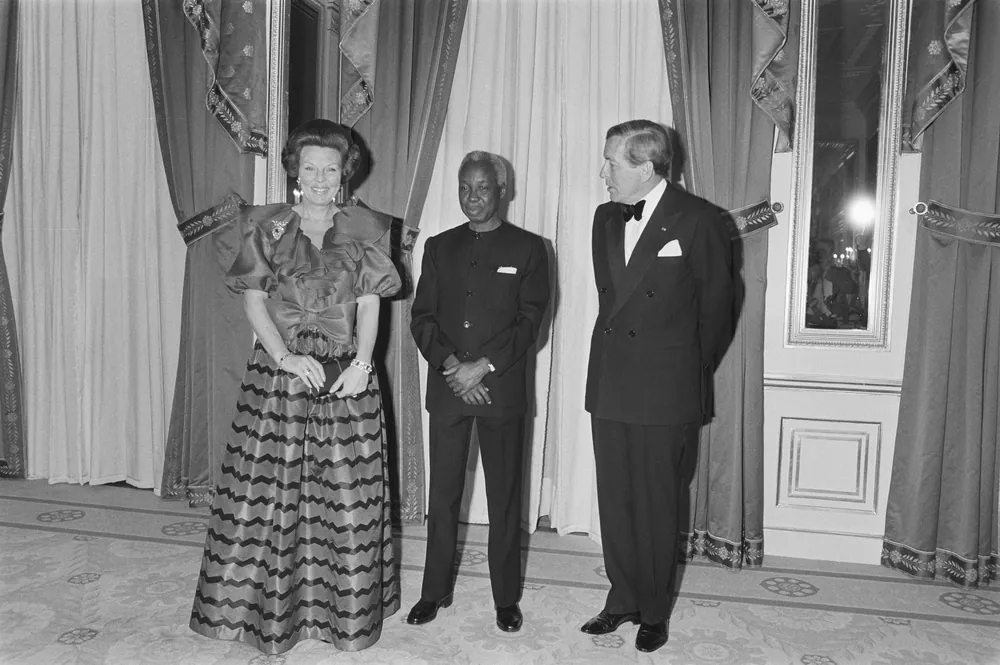
By the early 1980s the economy was in deep trouble. Nyerere chose not to stand again. His presidency ended on 5 November 1985, and Ali Hassan Mwinyi, then president of Zanzibar, succeeded him. Few African leaders of his generation gave up power voluntarily. Nyerere stayed chairman of CCM until 1990.
Nyerere died in London on 14 October 1999 and is buried at Butiama, his home village, where a national museum tells his story (see the Musoma guide). The day of his death is a public holiday, Nyerere Day. What came after, from 1985 to today, is the multi-party era.
- When did Tanzania become independent?
- Tanganyika, the mainland, became independent from Britain on 9 December 1961. Zanzibar became independent on 10 December 1963. The two united on 26 April 1964 and took the name Tanzania on 29 October 1964.
- Who led Tanzania to independence?
- Julius Kambarage Nyerere, leader of the Tanganyika African National Union (TANU), which he led from its founding in 1954. He was chief minister, prime minister and then president until 1985.
- What was the Arusha Declaration?
- Nyerere's statement of 5 February 1967 committing Tanzania to socialism and self-reliance (ujamaa). Banks were nationalised the next day, and large companies and plantations soon after.
- What was ujamaa?
- Nyerere's policy of African socialism, from the Swahili for 'familyhood'. In the countryside it meant moving farmers into planned villages, voluntarily at first and, from 1973 to 1976, often by force.
- Why did Tanzania go to war with Uganda?
- Idi Amin's forces invaded the Kagera Salient in north-west Tanzania in October 1978. Tanzania drove them out and, with Ugandan exiles, captured Kampala in April 1979, ending Amin's rule.
Last reviewed 28 September 2026
Edited by Kabeer Dalvi
Checked against
- Julius Nyerere — life, presidency and deathEncyclopaedia Britannica
- Mwalimu Julius Kambarage Nyerere — biographyEast African Community
- Elections in Tanzania: TANU wins first general electionThe Citizen
- Tanzania and Zanzibar: heads of state and governmentRulers.org
- Tanganyika Republic Act 1962legislation.gov.uk
- Revolt in Tanganyika (the 1964 mutiny)Royal Marines History
- Tanzania — country constitutional profileConstitutionNet (International IDEA)
- The Arusha Declaration (1967), full textMarxists Internet Archive
- The Arusha Declaration Ten Years After (1977)Mwalimu Julius K. Nyerere Foundation
- Breakup of the East African Community (1979)IMF, Finance & Development
- Nyerere retires as president in 1985, Mwinyi nominatedThe Citizen
- 1985: Mwinyi names cabinet, Nyerere remains CCM chairThe Citizen