The multi-party era
From one-party rule to competitive elections, debt relief and privatisation under Mkapa, gas and growth under Kikwete, a building drive under Magufuli, and the presidency of Samia Suluhu Hassan: Tanzania from Ali Hassan Mwinyi to today.
Edited by Kabeer Dalvi · Updated 13 October 2026
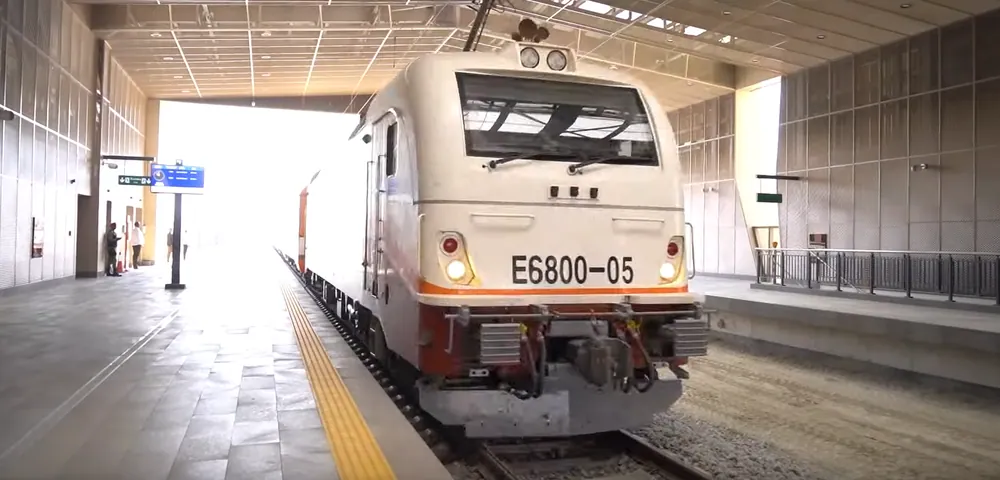
An SGR passenger train arriving at Dodoma station, part of the railway built from 2017.
- Political parties allowed again
- 1992
- First multi-party election
- 29 October 1995
- Tanzania reaches HIPC debt-relief completion point
- November 2001
- Magufuli dies in office
- 17 March 2021
- Samia Suluhu Hassan sworn in
- 19 March 2021
Parties allowed again
Ali Hassan Mwinyi succeeded Julius Nyerere as president in 1985 and began opening the economy that Nyerere's ujamaa policies had closed. On the political side, the National Assembly passed the Political Parties Act of 1992, ending 27 years of one-party rule by TANU and then Chama cha Mapinduzi (CCM). Opposition parties, including the Civic United Front and NCCR-Mageuzi, registered in the years that followed.
Tanzania's first multi-party general election was held on 29 October 1995. Benjamin Mkapa of CCM won the presidency. General elections have been held every five years since — 2000, 2005, 2010, 2015, 2020 and 2025 — and every president elected since Mkapa has taken office through one. The presidents, vice-presidents and prime ministers of the period are listed on Who runs Tanzania.
Mkapa: debt relief and a market economy (1995 – 2005)
Benjamin Mkapa's government continued privatising the state-owned enterprises, or parastatals, that Nyerere's government had created, a process that had begun in the late 1980s under Mwinyi. Hundreds of parastatals were sold or restructured over the decade.
In November 2001 Tanzania reached the completion point of the IMF and World Bank's Heavily Indebted Poor Countries (HIPC) initiative, cancelling roughly $3 billion, or about 54%, of its external debt. The government presented this as freeing up money for education and health spending rather than debt service.
On 30 November 1999, in Arusha, Tanzania signed the treaty reviving the East African Community with Kenya and Uganda. It came into force on 7 July 2000, and the community was later joined by Rwanda, Burundi, South Sudan, the DR Congo and Somalia.
The economy opened further to private investment, including in gold mining: see Gold.
Kikwete: growth and gas (2005 – 2015)
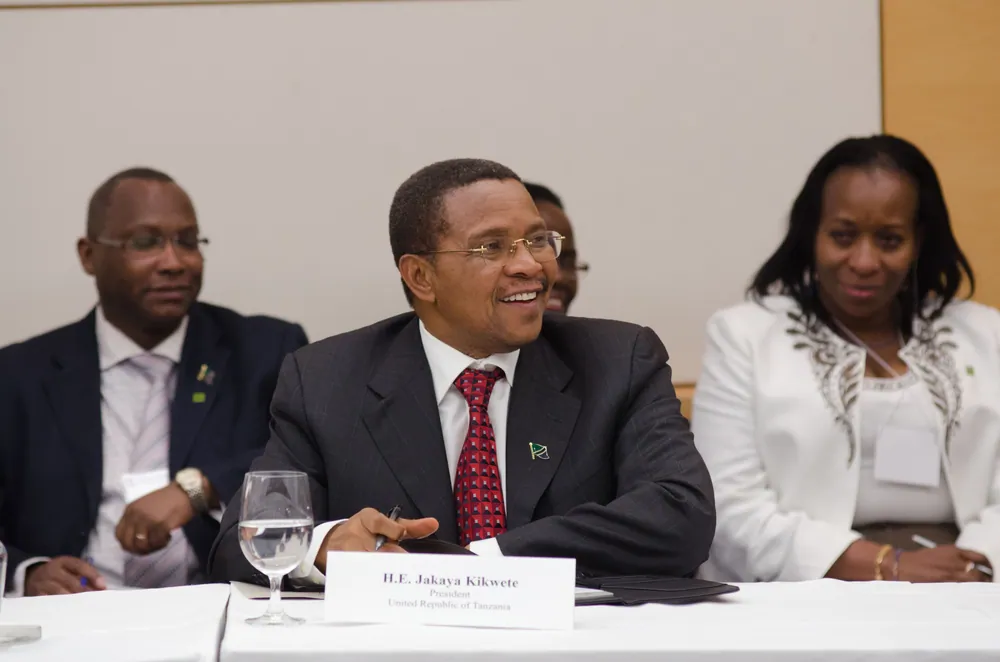
Jakaya Kikwete succeeded Mkapa in 2005. The economy grew at some of its fastest rates on record during his two terms.
Natural gas had first been found onshore at Songo Songo Island, Lindi Region, in 1974, and at Mnazi Bay, Mtwara Region, in 1982; the two fields were connected to the grid and industry from 2004 and 2006. From 2010 a series of much larger discoveries were made offshore in deep water, raising Tanzania's estimated gas reserves into the tens of trillions of cubic feet. A pipeline from Mtwara to Dar es Salaam, built to carry the gas to the national grid, opened in 2015.
Magufuli: a building drive (2015 – 2021)
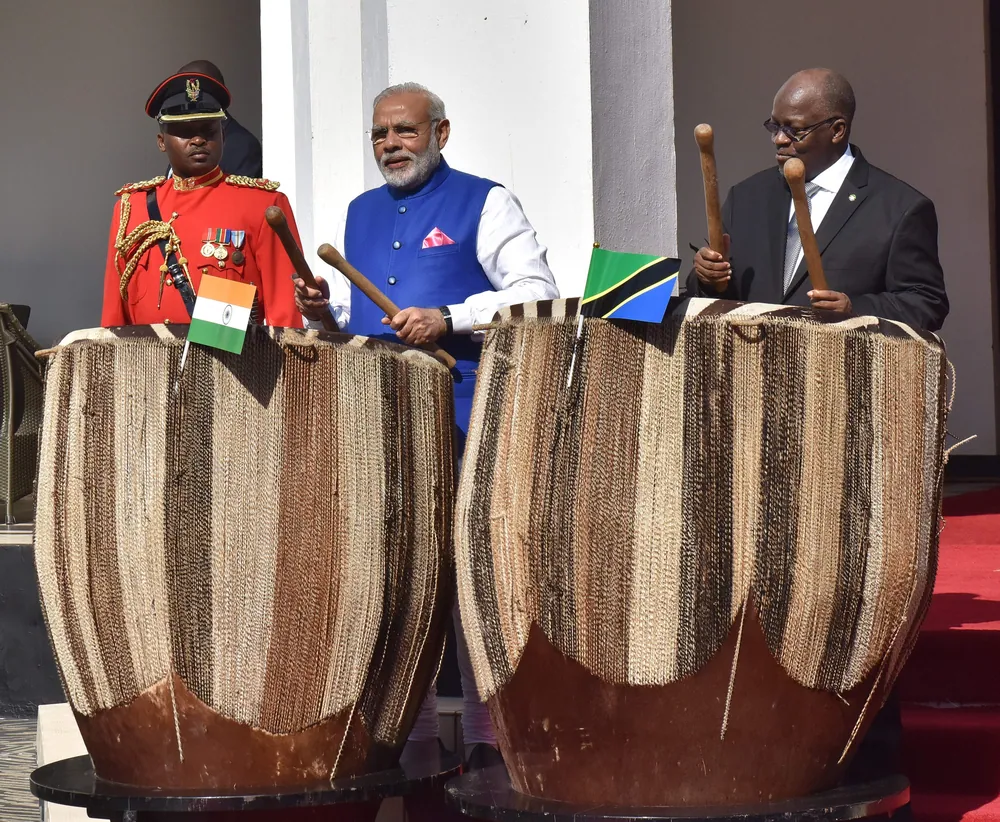
John Magufuli was elected in 2015 under the slogan Hapa Kazi Tu ('just work here'). On 23 July 2016 he ordered every government ministry to relocate to Dodoma; the move was declared complete in 2019 – 2020, finishing the shift of the capital that had been decided in 1973 (see the Nyerere years).
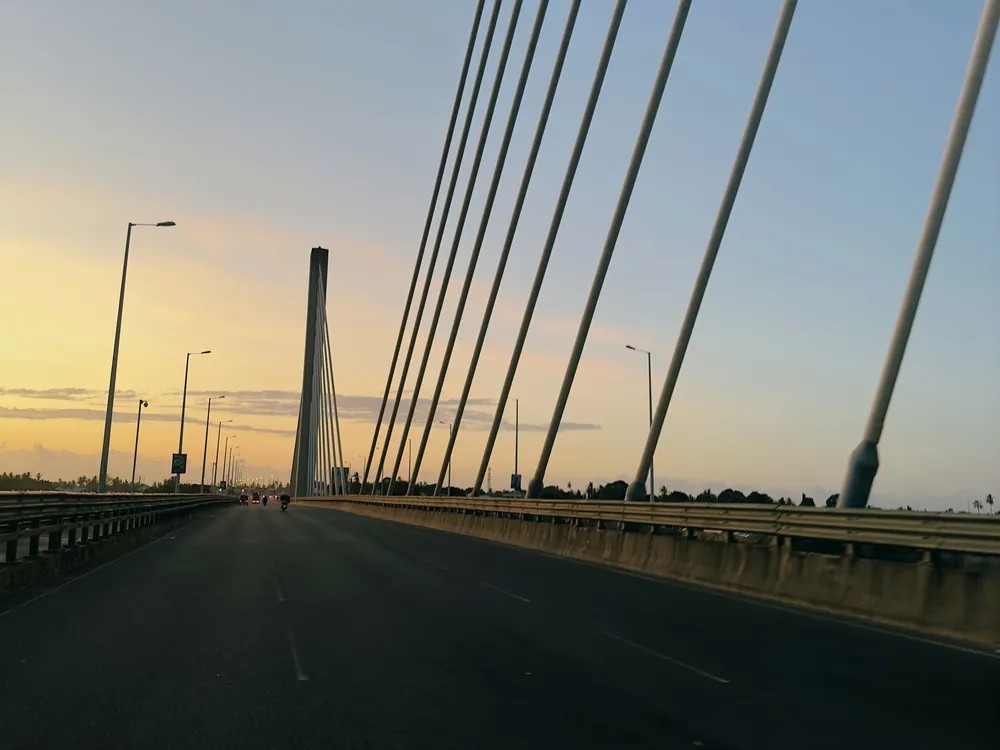
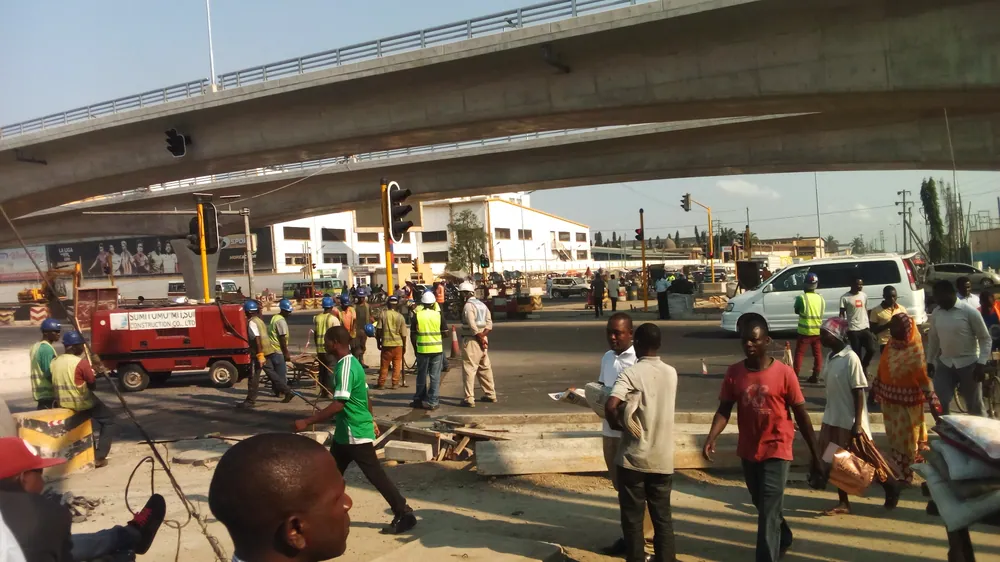
His government began two of Tanzania's largest infrastructure projects. Construction of the Standard Gauge Railway (SGR) started in April 2017, with the first 300 km section, from Dar es Salaam to Morogoro, contracted to a Turkish–Portuguese consortium. And in December 2018 Tanzania signed the construction contract for the Julius Nyerere Hydropower Project, a 2,115 MW dam on the Rufiji River at Stiegler's Gorge; construction ran from June 2019.
Magufuli died in office on 17 March 2021, aged 61, of chronic atrial fibrillation, a heart condition he had been treated for. He was the first Tanzanian president to die in office since Nyerere's era, and the first to do so as an elected multi-party president.
Samia Suluhu Hassan (2021 – present)
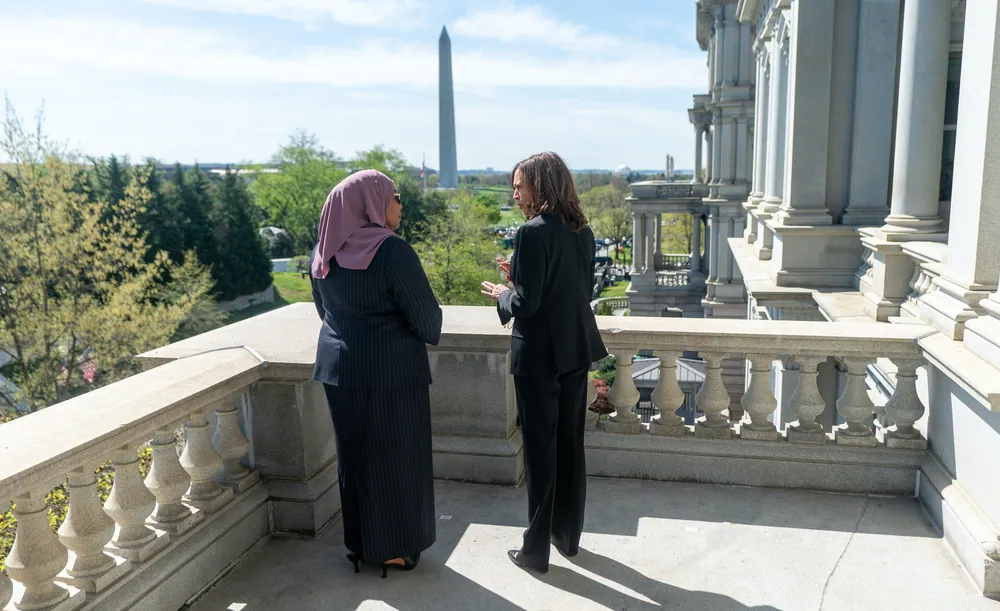
As vice-president, Samia Suluhu Hassan was sworn in as president on 19 March 2021, two days after Magufuli's death, becoming Tanzania's sixth president and its first woman to hold the office. She set out a governing approach built on four themes she called the 4Rs — reconciliation, resilience, reforms and rebuilding.
Her government completed the projects begun under Magufuli: the Dar es Salaam–Morogoro stretch of the SGR entered service in June 2024, later extended toward Dodoma, and she formally commissioned the Julius Nyerere Hydropower Project on 22 August 2026.
Tanzania's most recent general election was held on 29 October 2025; Samia Suluhu Hassan was sworn in for a second term on 3 November 2025. Full details of the current government are on Who runs Tanzania.
- When did Tanzania become a multi-party democracy?
- The Political Parties Act of 1992 ended one-party rule. The first multi-party general election was held on 29 October 1995, and Benjamin Mkapa won the presidency.
- What was Tanzania's debt relief?
- In November 2001, under President Benjamin Mkapa, Tanzania reached the completion point of the IMF and World Bank's Heavily Indebted Poor Countries initiative, cancelling about $3 billion, roughly 54%, of its external debt.
- When did Tanzania discover natural gas?
- Gas was found onshore at Songo Songo (1974) and Mnazi Bay (1982), and brought into use from 2004 and 2006. Much larger offshore discoveries followed from 2010, during Jakaya Kikwete's presidency.
- How did President Magufuli die?
- John Magufuli died on 17 March 2021, aged 61, of chronic atrial fibrillation, a heart condition. He was the first Tanzanian president to die in office in the multi-party era.
- Who is Tanzania's first woman president?
- Samia Suluhu Hassan, sworn in on 19 March 2021 after John Magufuli's death. She was re-elected in the general election of 29 October 2025.
- When did Tanzania's capital move to Dodoma?
- The decision was taken in 1973, but the move only gathered pace after 2016, when President Magufuli ordered every ministry to relocate; it was declared complete in 2019–2020.
Last reviewed 13 October 2026
Edited by Kabeer Dalvi
Checked against
- History of the EAC — the 1999 treatyEast African Community
- 1995 Tanzanian general electionWikipedia
- CCM registered as multiparty system reintroduced in 1992The Citizen
- Mkapa's role in Tanzania's economic modernisation, and the 2001 debt reliefThe Citizen
- Mtwara–Dar es Salaam Natural Gas PipelineWikipedia
- Gas in Tanzania: reserves, LNG project and infrastructureTanzaniaInvest
- Magufuli relocates to Tanzania's new capital, Dodoma (15 October 2019)Africanews
- Tanzania Standard Gauge RailwayWikipedia
- Tanzania awards $2.2bn contract for Standard Gauge Railway projectRailway Technology
- Julius Nyerere Hydropower StationWikipedia
- Julius Nyerere Hydropower Project: President Samia commissions 2,115 MW mega-dam (22 August 2026)Construction Review Online
- Tanzania President Magufuli dies of 'heart condition'France 24
- Death and state funeral of John MagufuliWikipedia
- Tanzania: the 4Rs in practice — measuring political reforms since 2021allAfrica
- Samia: why I chose a participatory approach signified by the 4Rs initiativeThe Citizen