Geita
Tanzania's gold region: a young administrative region on the southern shore of Lake Victoria, built on one of the country's largest gold mines, thousands of small diggings, and a forested island park where chimpanzees were released into the wild.
- Region
- Geita Region, Lake Zone
- Population
- 2,977,608 (2022 census)
- Area
- 20,054 km²
- Created
- 2012, from Shinyanga, Mwanza and Kagera
- Known for
- Gold, and Lake Victoria fishing
A century of gold
Gold was reported here early: a German prospector found mineralisation at Geita in 1898, and by the 1930s companies were working it in earnest. A mine operated from 1936 until 1965, when it closed for financial reasons, and for a generation the area was known mainly for farming and fishing.
The modern mine is a different scale. The Geita Gold Mine re-started production in 2000, first as a joint venture and, since the merger of its two owners in 2004, under AngloGold Ashanti. It is an open-pit operation and one of the largest gold mines in Tanzania; in 2011 it produced about 15 tonnes of gold. Around it, and across the region, tens of thousands of people work small artisanal claims.
The region itself is new. Geita Region was created in 2012 out of parts of Shinyanga, Mwanza and Kagera, with the mining town of Geita as its capital — an administrative recognition of how much the population and the economy of this stretch of lake shore had grown.
The mine, the lake and the fields
What the region lives on
- Gold
- Large-scale and artisanal mining
- Fishing
- Lake Victoria, from Chato to Nyang'hwale
- Cotton
- The Lake Zone cash crop
- Food crops
- Maize, cassava, sweet potatoes, rice
- Livestock
- Cattle, as across Sukuma country
Gold dominates, in two very different forms. The industrial mine employs thousands directly and shapes the town of Geita completely; the artisanal sector — pits, hand-crushing, mercury amalgamation — supports many more people, with far worse safety and environmental consequences. Both are the reason the region grew.
The second economy is the lake. Lake Victoria forms the region's northern edge, and fishing communities work the shore and the islands, sending Nile perch and dried dagaa to Mwanza and to export processors.
Behind the shore it is farming country: cotton as the cash crop, and maize, cassava, sweet potatoes and rice for the household. Cattle are kept in numbers, as everywhere in Sukuma country.
Lake shore, island forest
The region's people include the Sukuma, the largest group in Tanzania, together with the Zinza, Sumbwa and Haya. Mining has drawn people from every part of the country, and the towns have the mixed, transient character that goes with it; the villages remain agricultural and Sukuma in language and custom.
The most rewarding place to visit is not on the mainland. Rubondo Island National Park, in the south-west corner of Lake Victoria, is a forested island where chimpanzees taken for European zoos and circuses were rehabilitated into the wild from the 1960s. Their descendants live there still. It is one of the quietest national parks in the country and one of the strangest in origin.
Chato, on the lake west of Geita, is the home district of John Magufuli, Tanzania's fifth president, who was buried there in 2021.
Towns, parks and places across Geita Region
National park
Rubondo Island National Park
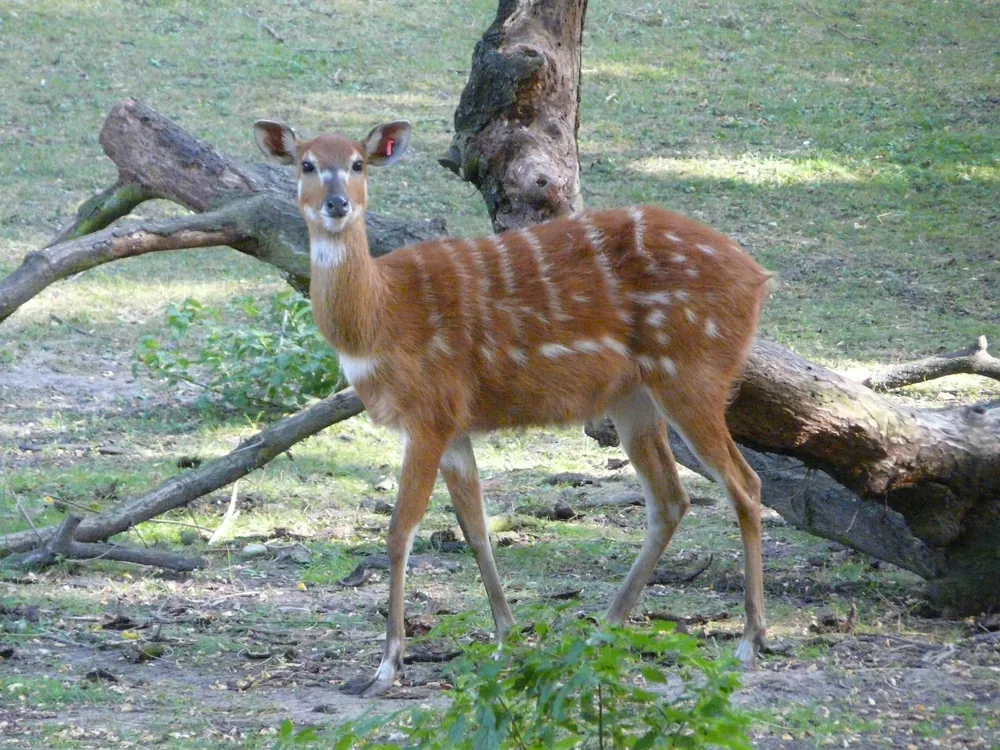
A forested island in Lake Victoria — chimpanzees, sitatunga and no dangerous road traffic. Reached by boat or light aircraft.
National park
Kigosi National Park
Miombo woodland and the Moyowosi–Kigosi wetlands, shared with Shinyanga and Kigoma regions.
Town
Chato
A lake-shore district town west of Geita, and the home district of President John Magufuli.
Mining town
Geita town
The regional capital, grown around the mine. Practical rather than pretty, and the base for everything else.
Lakeshore
The Lake Victoria shore
Fishing villages, rocky headlands and islands along the region's northern edge.
Informational — none of this is ticketed by us
National park
Rubondo Island National Park
Island forest, chimpanzees released from the 1960s, and excellent birding. The reason to come to this region.
Wildlife
Birding on the lake shore
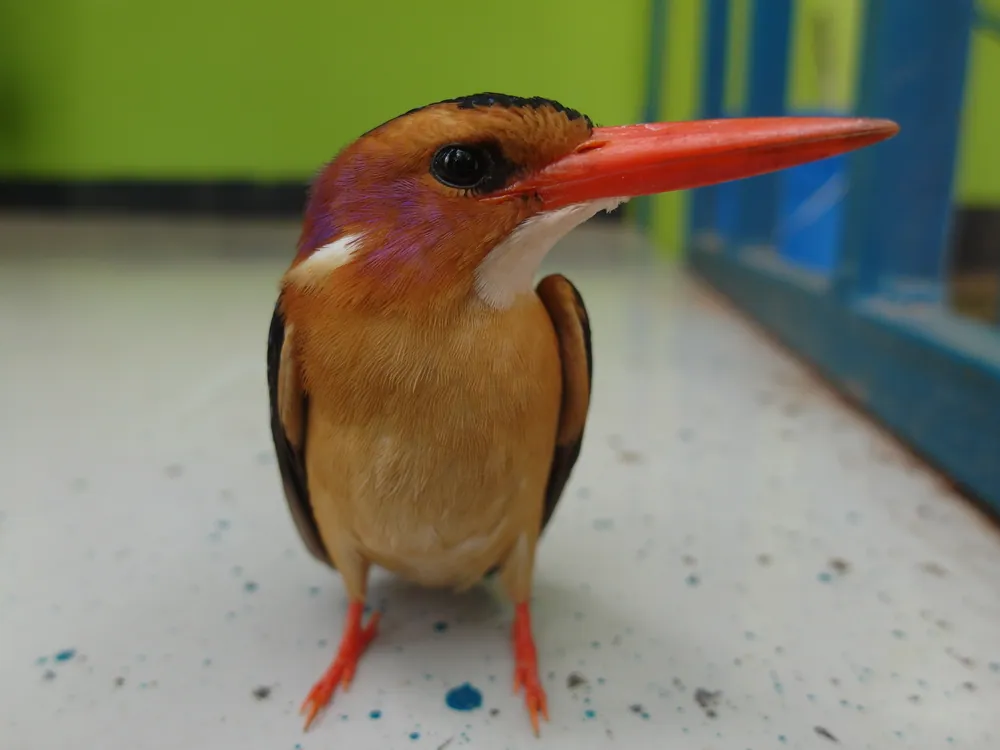
Kingfishers, herons and fish eagles along the water — easy birding from any village landing.
Industry
Geita Gold Mine
One of the largest gold mines in the country, and the reason the region exists in its present form. Not open to casual visitors.
National park
Kigosi National Park
Remote wetland and woodland in the south, with very little infrastructure.
Town
Chato
Lake shore, fishing and the presidential connection.
Working landscape
Artisanal mining country
Small diggings across the region. Visit only with local agreement — these are workplaces, not attractions.
Before you go
- Getting there
- By road from Mwanza, about two hours west, or by air to Mwanza and on from there. Chato also has an airport.
- Getting around
- A vehicle and driver. Rubondo is reached by boat from Muganza or Nkome, or by light aircraft.
- When to come
- June to October is driest. The rains fall roughly November to May, in two spells.
- Mining areas
- Active mines are private and security-conscious. Do not photograph installations or workers without clear permission.
- On the lake
- Bilharzia is present in Lake Victoria; take local advice before swimming.
- Money
- Shillings. ATMs in Geita town; carry cash elsewhere.
Last reviewed 2026-09-17
Editorial — fact-check complete
Checked against
- 2022 Population and Housing Census — administrative unitsNational Bureau of Statistics, Tanzania
- Geita Region — creation, area, economy, peoplesWikipedia
- Geita Gold Mine — history, operator, productionWikipedia
- Rubondo Island National ParkTanzania National Parks (TANAPA)