Tanga
A quiet port on the northern coast that built East Africa's sisal industry, was the scene of one of the strangest battles of the First World War, and sits below the cool, forested Usambara Mountains.
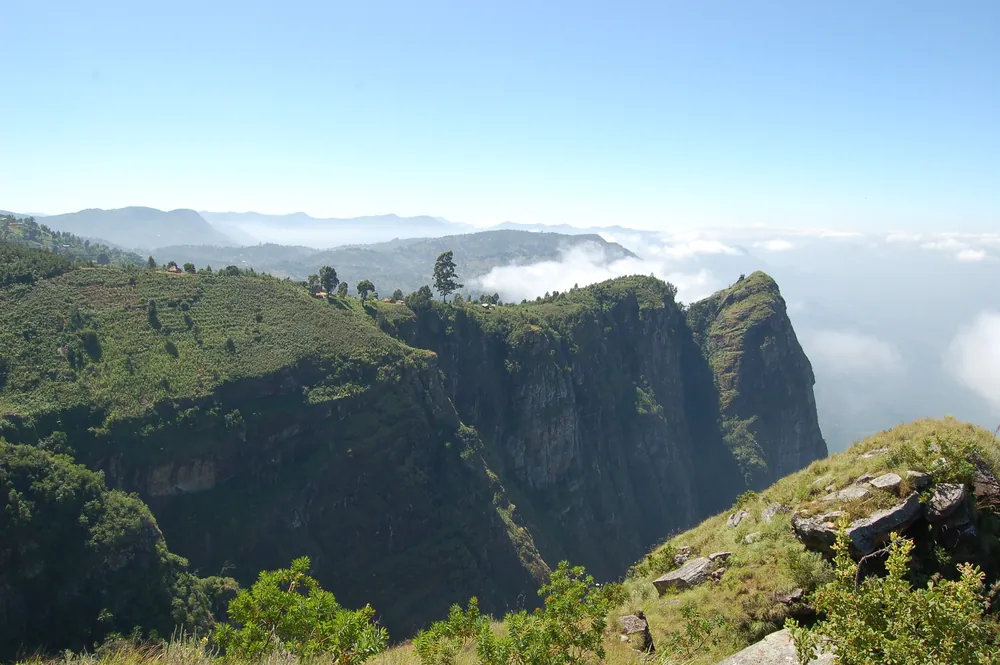
The western Usambara escarpment, in Tanga Region. The mountains are two or three hours inland from the port and a different climate entirely.
- Region
- Tanga Region, northern coast
- Position
- Near the Kenyan border, on the Indian Ocean
- Known for
- Sisal, the port, the Usambara Mountains
- Historic sites
- Tongoni ruins, Amboni caves
- From Dar es Salaam
- About 350 km by road
Swahili tombs, and the Battle of the Bees
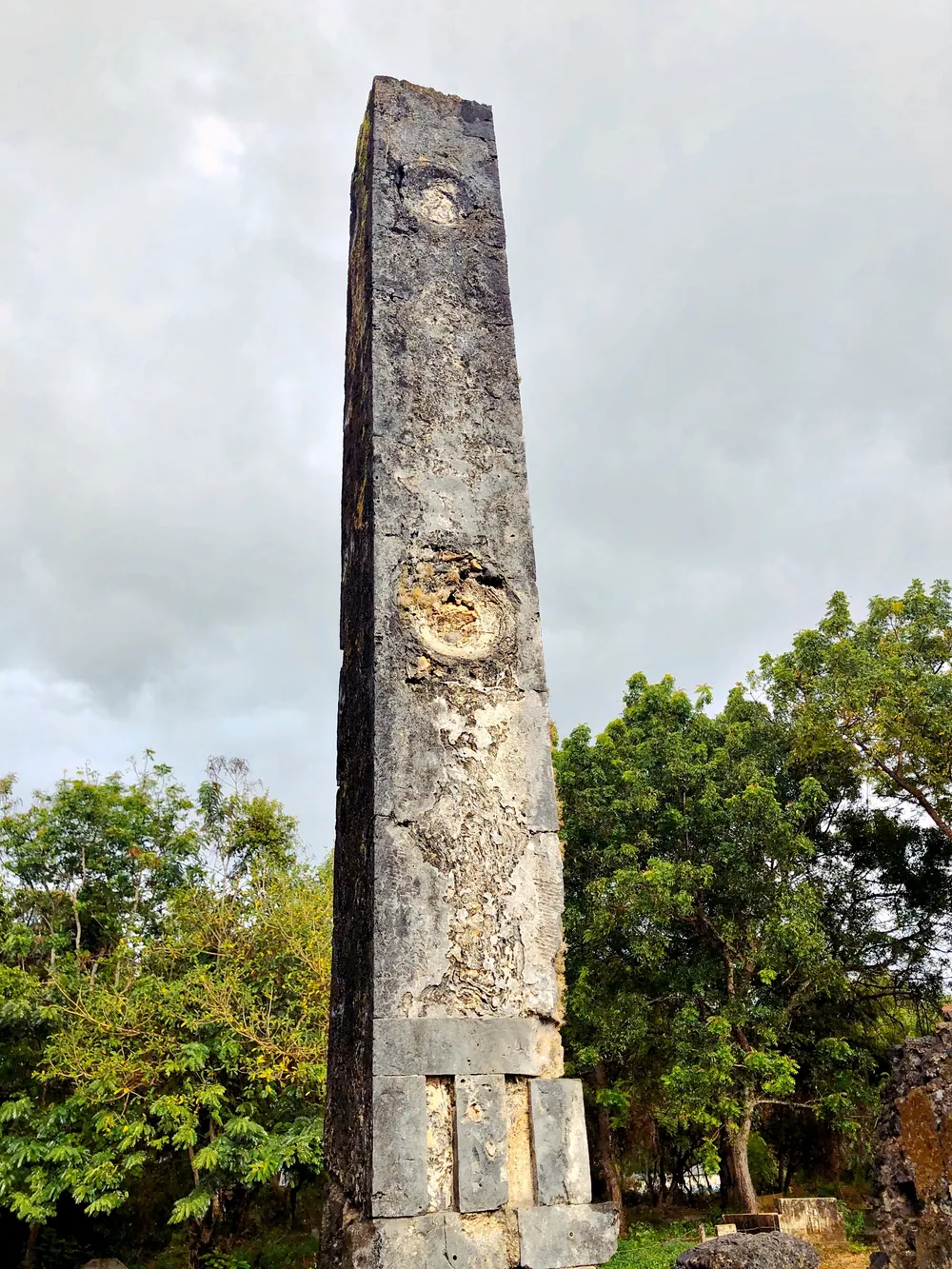
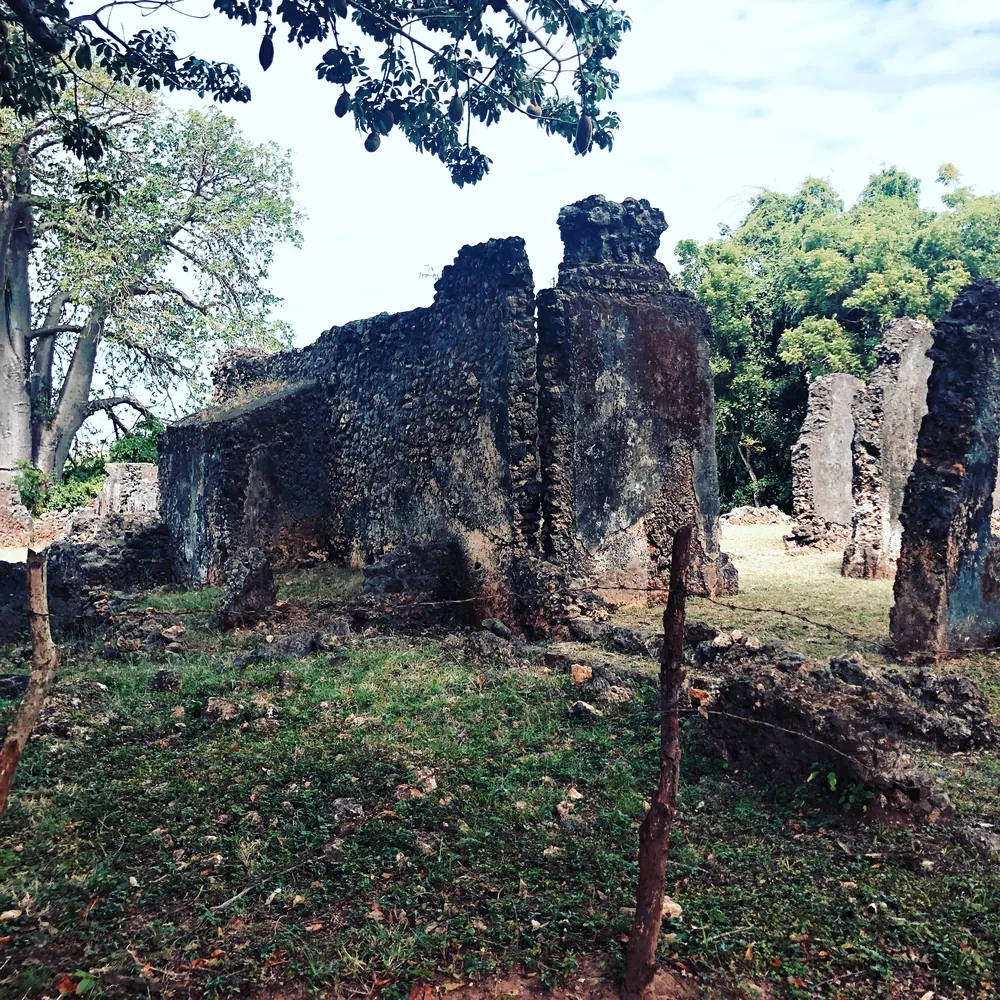
Tanga's history begins with the Swahili towns on this shore. At Tongoni, about twenty kilometres south, the ruins of a medieval trading settlement include a mosque and one of the largest collections of pillar tombs anywhere on the East African coast — tall, carved monuments that were the Swahili elite's way of marking status in death, some of them once set with imported Chinese porcelain bowls.
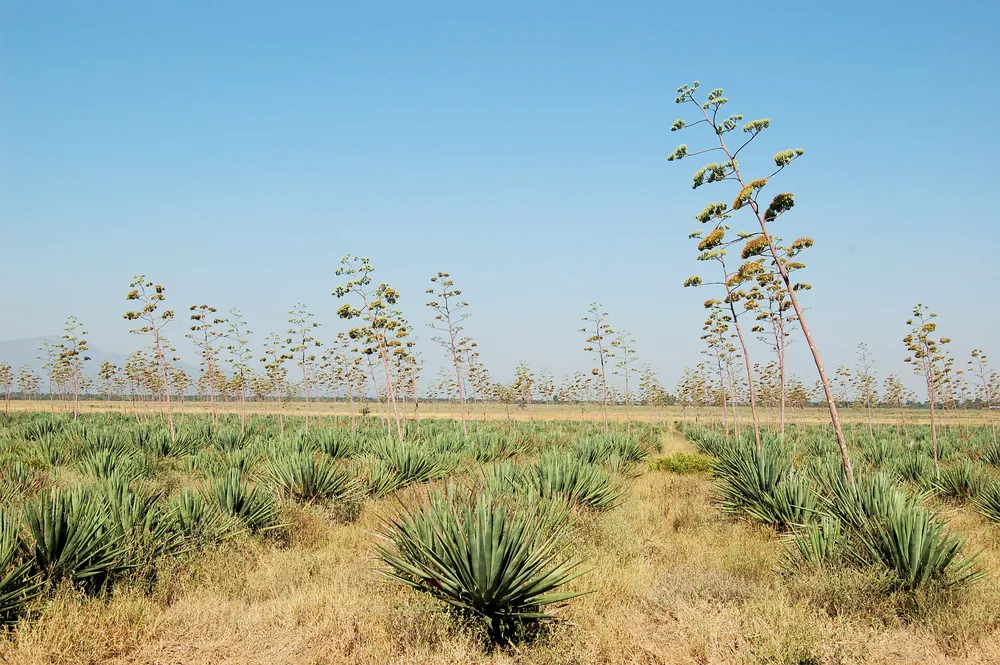
The modern port grew under German rule, and the German colonial period left the town its grid, its railway — the Usambara line inland to Moshi — and its greatest economic legacy. In 1893 the agronomist Richard Hindorf brought sisal agave from Mexico's Yucatán, by way of Florida and Hamburg, and the first 62 plants were set out near Pangani, just south of Tanga. Twenty years later there were more than fifty plantations and German East Africa was exporting over twenty thousand tonnes of fibre a year.
Then, on 3–5 November 1914, the war arrived. A British Indian expeditionary force landed to seize the port and was thrown back by a much smaller German force under Paul von Lettow-Vorbeck. The fighting was badly disrupted by swarms of African bees, disturbed by gunfire in the hives in the trees, which attacked both sides indiscriminately and at times stopped the shooting altogether. It is remembered as the Battle of the Bees, and it was a humiliating British defeat that set the pattern for four years of campaigning in East Africa.
The sisal coast
What the region produces
- Sisal
- Tanzania is among the world's leading producers
- Port trade
- Tanga handles cargo for the north
- Cement
- Limestone quarried near the coast
- Tea & vegetables
- From the cool Usambara highlands
- Fishing
- Along the coast and around Pangani
For most of the twentieth century sisal was Tanga. The fibre went into ropes, twine and sacking all over the world, and Tanganyika was the largest producer anywhere before synthetic fibres collapsed the market from the 1960s onwards. The plantations drew labour from across the region and beyond, and the estates shaped the settlement pattern of the whole hinterland.
The industry never disappeared. Tanzania remains one of the world's leading sisal producers, and there has been a revival of interest as a biodegradable alternative to plastics — the same property that made it valuable a century ago now has a new market.
The port handles cargo for northern Tanzania, and limestone quarried near the coast feeds a major cement works. Inland, the Usambara Mountains grow tea, vegetables and fruit in a cool, wet climate that supplies markets well beyond the region.
A slow coast, and cool mountains behind it
The coast here is Swahili and largely Muslim, and the pace is notably slower than Dar es Salaam. Pangani, south of Tanga at the mouth of the Pangani River, is a small historic town with carved doors and old traders' houses, and it is the easiest way into the quieter coast beyond the city.
Inland, the Shambaa people farm the Usambara Mountains — part of the Eastern Arc, the same ancient chain as the Uluguru and Udzungwa, and home to a remarkable number of endemic plants, including the African violet, first described from these hills. Lushoto, the German hill station the colonists called Wilhelmstal, sits among them at around 1,400 metres, and the walking there is some of the best in the country.
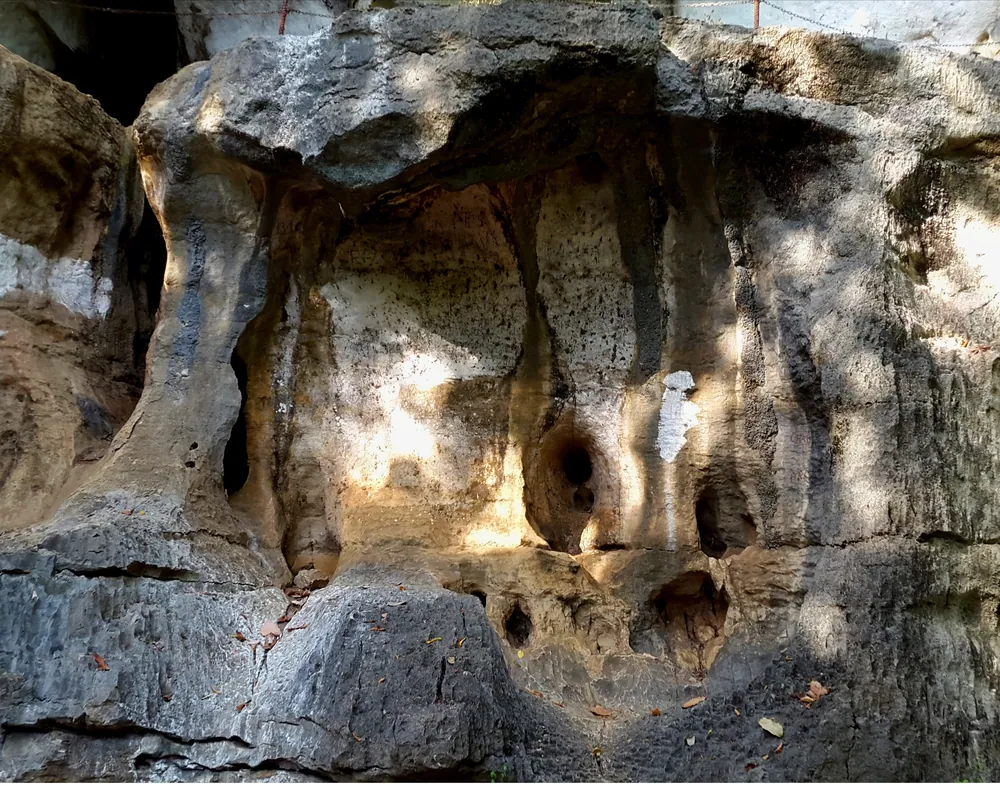
The Amboni caves, eight kilometres north of the city, are the most extensive limestone caves in East Africa. They were declared a conservation area in 1922, and local tradition has long held them sacred — people still come to them to make offerings and to pray.
Towns, parks and places across Tanga Region
Town
Lushoto
The hill town of the western Usambaras, known under German rule as Wilhelmstal, and the base for walking in the mountains.
Forest reserve
Amani Nature Reserve
Rainforest in the East Usambaras around a botanical garden and research station founded in 1902. Gazetted in 1997 and managed by the Tanzania Forest Services Agency.
National park
Mkomazi National Park
Dry bush country along the Kenyan border, shared with Kilimanjaro Region.
Informational — none of this is ticketed by us
Caves
Amboni caves
Eight kilometres north: the most extensive limestone cave system in East Africa, and a place of worship as well as geology.
Archaeology
Tongoni ruins
Twenty kilometres south: a medieval Swahili mosque and one of the coast's largest groups of pillar tombs.
Mountains
The Usambara Mountains
Eastern Arc forest, cool air and excellent walking from Lushoto. Home of the African violet.
Historic town
Pangani
South along the coast: carved doors, old trading houses, and the site where sisal was first planted in 1893.
National park
Saadani National Park
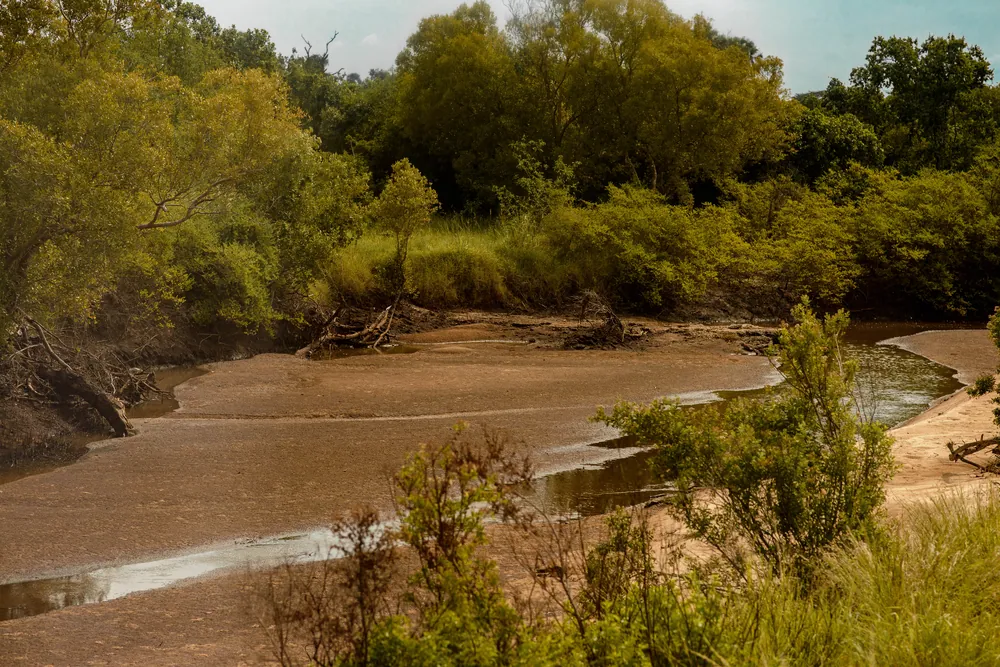
Further south — the only park in East Africa where the bush meets an ocean beach.
Heritage
Tanga war cemetery
Graves from the 1914 battle, maintained by the Commonwealth War Graves Commission.
Before you go
- Getting there
- About 350 km from Dar es Salaam by road, and much closer to Moshi and Arusha than people expect. There is also a regional airport.
- Getting around
- Bajaji and taxis in town. Tongoni, Amboni and Pangani all need a vehicle.
- When to come
- June to October is dry on the coast. The Usambaras are cool year-round and wet from March to May.
- Usambara walking
- Use a registered local guide from Lushoto — the trails are not signed and the money supports the villages.
- Money
- Shillings. ATMs in Tanga and Lushoto; carry cash for the smaller towns.
- Time
- East Africa Time, UTC+3, no daylight saving.
Last reviewed 2026-09-15
Editorial — fact-check complete
Checked against
- Battle of Tanga, 3–5 November 1914Encyclopaedia Britannica
- Richard Hindorf and the introduction of sisal, 1893Wikipedia
- Amboni CavesNgorongoro Conservation Area Authority
- Sisal Plantations, Land, and Labor in Tanga Region, 1893–1980sAcademic study (Academia.edu)
- Amani Nature Reserve — research station, gazettement, managementWikipedia
- Lushoto — WilhelmstalWikipedia