Mbeya
A highland city near the Zambian and Malawian borders, surrounded by tea estates, crater lakes, volcanoes, one of the largest meteorites on earth, and the beaches of Lake Nyasa below the Livingstone Mountains.
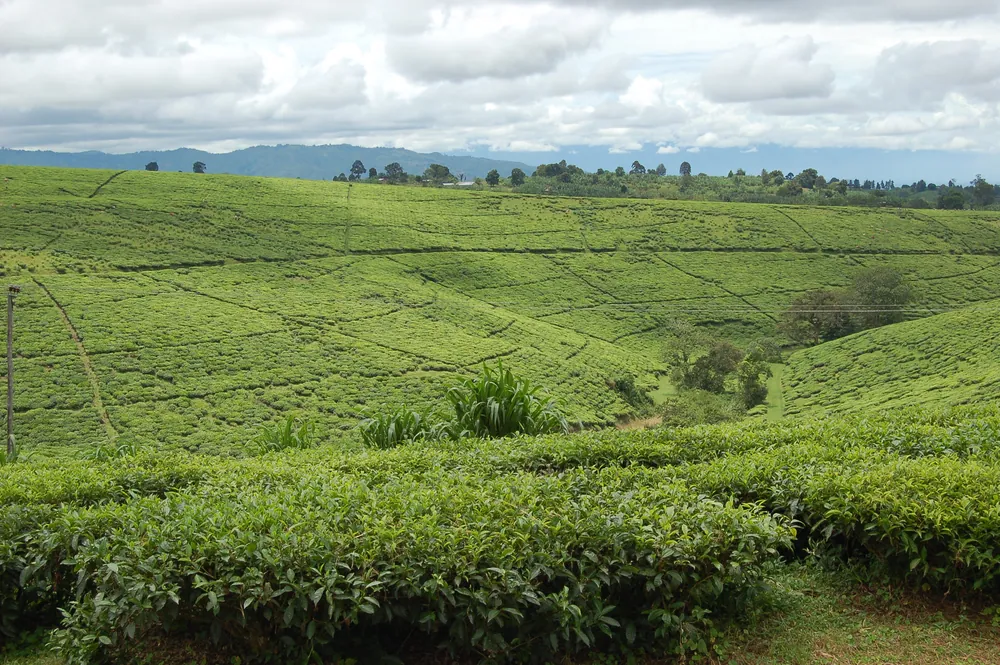
Tea estates at Tukuyu, south of the city. The southern highlands are among the wettest and greenest parts of Tanzania.
- Region
- Mbeya Region, southern highlands
- Population
- 541,603, Mbeya Urban (2022 census)
- Elevation
- About 1,700 m
- Borders
- Close to Zambia and Malawi
- Railway
- TAZARA line to Zambia
Gold, a railway, and a stone from space
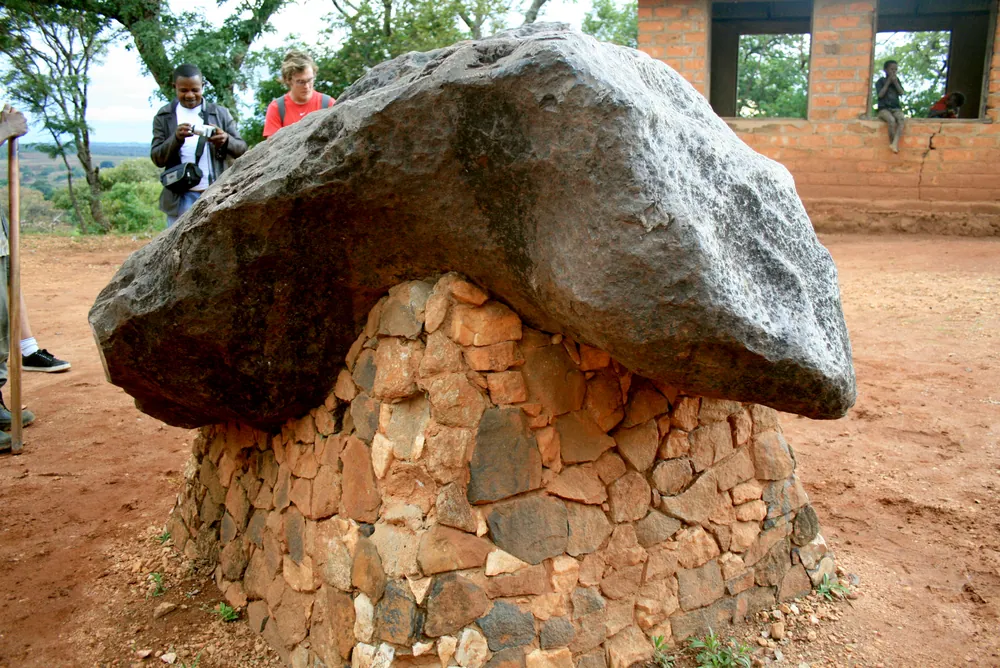
The oldest thing in these highlands fell from the sky. The Mbozi meteorite, in the hills west of the city, is an iron meteorite about three metres long and weighing an estimated sixteen tonnes — one of the largest meteorites in the world. Since 2016 it has stood in Songwe Region, created from the western half of Mbeya. Local people long knew it; it came to scientific attention in 1930. It left no crater, which suggests it landed at a shallow angle or was buried and later exposed.
The modern town began with gold. A rush on the Lupa goldfields from 1927 drew thousands of prospectors and labourers into the region, and extraction peaked in the 1930s. Mbeya grew as the mining outpost that served it, and was formally established as a township in 1935. When the gold ran down, the town survived on agriculture and trade.
What secured its future was the TAZARA railway, built in the 1970s with Chinese support to link Dar es Salaam to Zambia's copperbelt without passing through white-ruled southern Africa. Mbeya became a key stop on the line, and later on the main road corridor to Zambia and Malawi, which is why it grew into one of the largest cities in the south.
Tea, coffee, and a border crossroads
What the region produces
- Tea
- Large estates around Tukuyu
- Coffee
- Arabica from the highland slopes
- Bananas & avocados
- From the wet Rungwe district
- Rice
- In the lowland Usangu plains
- Trade
- The route to Zambia and Malawi
The southern highlands are volcanic and wet, and the soil around Mbeya is some of the best in the country. Tea is grown on large estates around Tukuyu, coffee is a major cash crop across the highlands, and bananas, avocados and fruit come out of the Rungwe district in quantity.
Below the highlands, the Usangu plains are a major rice-growing area, and the region is an important part of Tanzania's food supply.
Trade is the other pillar. Mbeya sits on the TAZARA railway and the trunk road to Zambia and Malawi, and a great deal of freight moves through it. That makes it a busy, practical city — more crossroads than destination — but it is the base for a remarkable set of landscapes within a couple of hours.
Volcanoes, crater lakes, and a freshwater beach
The region is home to many peoples — the Nyakyusa in the fertile Rungwe district, the Safwa around Mbeya, and others — and its culture is agricultural, Christian in large part through long-established missions, and shaped by the border trade.
The landscape is what draws visitors. Mount Rungwe, a dormant volcano, rises above the tea country, and the district around it is full of crater lakes, waterfalls and hot springs. Kitulo National Park, the plateau that flowers between December and April, is within reach to the east.
And to the south, the highlands drop steeply to Lake Nyasa — Lake Malawi, as it is known across the border. At Matema, a long sandy beach lies at the foot of the Livingstone Mountains, with clear fresh water and fishing canoes carved from single tree trunks. Few foreign visitors get this far south, and it is one of the most beautiful and least known corners of the country.
Towns, parks and places across Mbeya Region
Town
Kyela
The lowland district town near Lake Nyasa and the Malawi border, known for its rice and cocoa.
Crater lake
Lake Ngozi
A crater lake in the Poroto Mountains of Rungwe District, 74 m deep and ringed by high forested walls. Go with a guide.
Natural bridge
Daraja la Mungu
'God's Bridge' — a natural rock arch over the Kiwira River west of Tukuyu, formed by lava from Mount Rungwe.
Plains & wetland
Usangu plains
Rice country in Mbarali District, where the headwaters of the Great Ruaha gather.
National park
Kitulo National Park
The flowering plateau east of the city, shared with Njombe Region.
Neighbouring region
Songwe Region
The western half of the old Mbeya Region became Songwe in 2016, taking the Mbozi meteorite and the Tunduma border with it.
Informational — none of this is ticketed by us
Natural wonder
Mbozi meteorite
An iron meteorite of about sixteen tonnes, among the largest in the world. West of the city on the road to Zambia, in neighbouring Songwe Region.
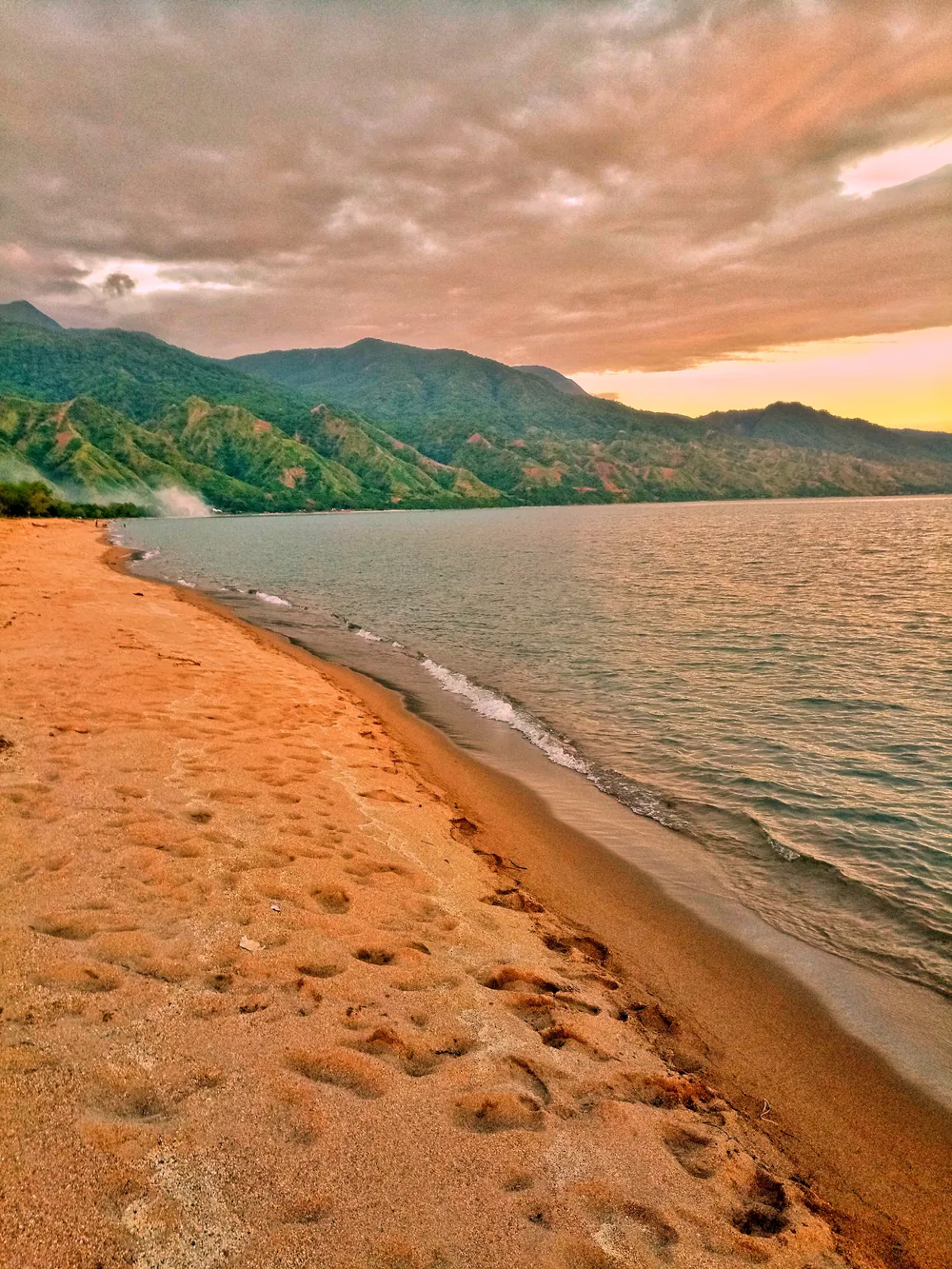
Lakeshore
Matema beach, Lake Nyasa
A long beach under the Livingstone Mountains, with clear fresh water and dugout canoes.
National park
Kitulo National Park
The 'Garden of God' — a high plateau of orchids and wildflowers, best December to April.
Volcanic landscape
Crater lakes of Rungwe
Lake Kisiba and others, in volcanic country south of the city.
Mountain
Mount Rungwe
A dormant volcano and a full-day climb through forest, with a guide.
Working farms
Tukuyu tea estates
The green heart of the highlands, and some of the most striking farmland in the country.
Before you go
- Getting there
- Flights to Songwe Airport from Dar es Salaam. By road the city is on the trunk route south; the TAZARA railway also stops here.
- Getting around
- Most attractions are an hour or more out of town and need a vehicle and a driver who knows the rural roads.
- When to come
- June to October is dry. Kitulo flowers December to April, in the rains, when roads are harder.
- Climate
- At about 1,700 m it is cool, and cold at night — pack warm clothes.
- Border region
- Carry your passport. The Zambian and Malawian borders are close.
- Money
- Shillings. ATMs in Mbeya; carry cash for rural areas and Matema.
Last reviewed 2026-09-15
Editorial — fact-check complete
Checked against
- Mbozi meteorite — size, weight and discoveryWikipedia
- Mbozi MeteoriteNgorongoro Conservation Area Authority
- 2022 Population and Housing Census resultsNational Bureau of Statistics, Tanzania
- Kitulo National ParkTanzania National Parks (TANAPA)
- Songwe Region — created from western Mbeya in 2016Wikipedia
- Lake NgoziWikipedia
- Kyela DistrictWikipedia