The 1800s: caravans, kingdoms and explorers
How ivory, and people, were carried from the great lakes to the coast along caravan roads that also carried Swahili and Islam inland; the new powers that rose in the interior; and the European explorers who followed the caravans' paths.
Edited by Kabeer Dalvi · Updated 30 September 2026
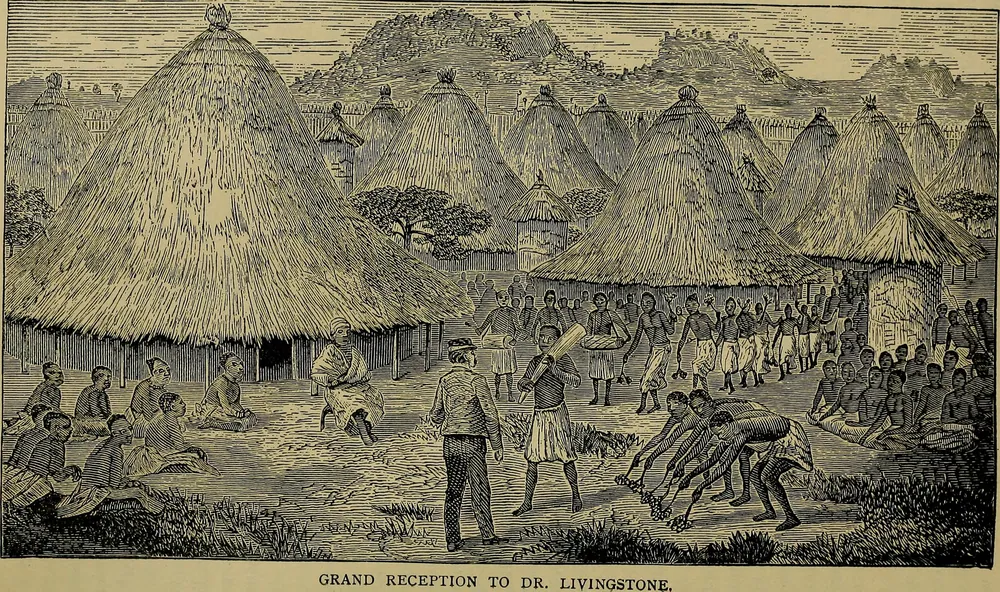
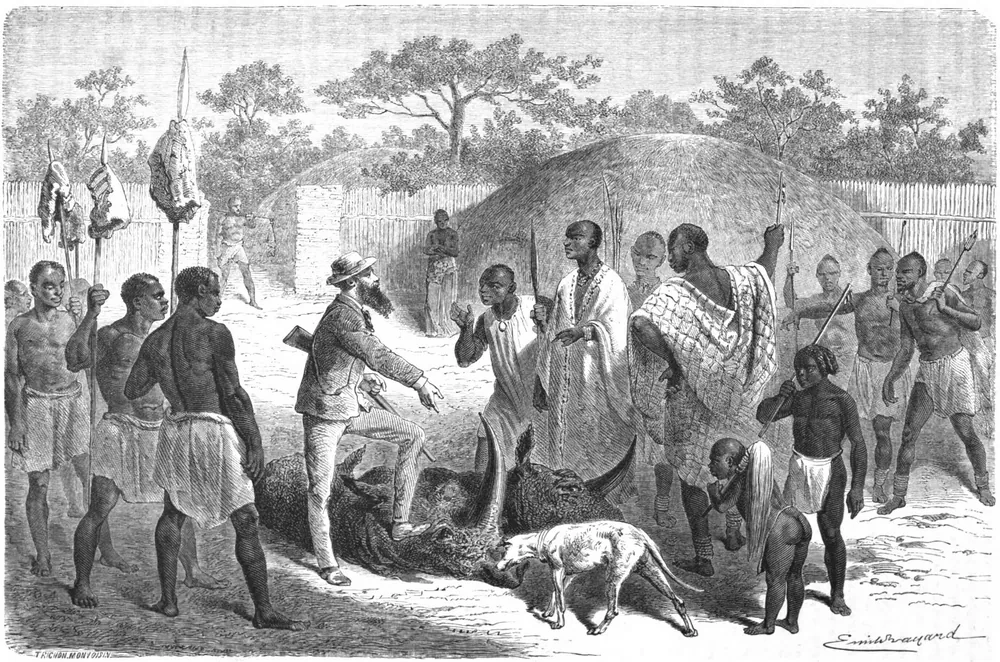
Livingstone's reception at Ujiji, a nineteenth-century engraving.
- The Ngoni reach the southern highlands
- 1840s
- Rebmann sees the snow on Kilimanjaro
- 1848
- Kazeh (Tabora) founded by coastal traders
- 1850s
- Burton and Speke reach Lake Tanganyika
- February 1858
- Stanley finds Livingstone at Ujiji
- November 1871
- Zanzibar's slave market closes
- 1873
The caravan roads
In the early nineteenth century demand for ivory in India, Europe and America turned the paths between the coast and the great lakes into busy trade routes. The main one, the central route, ran some 1,200 kilometres from Bagamoyo on the coast through Tabora to Ujiji on Lake Tanganyika, now part of Kigoma.
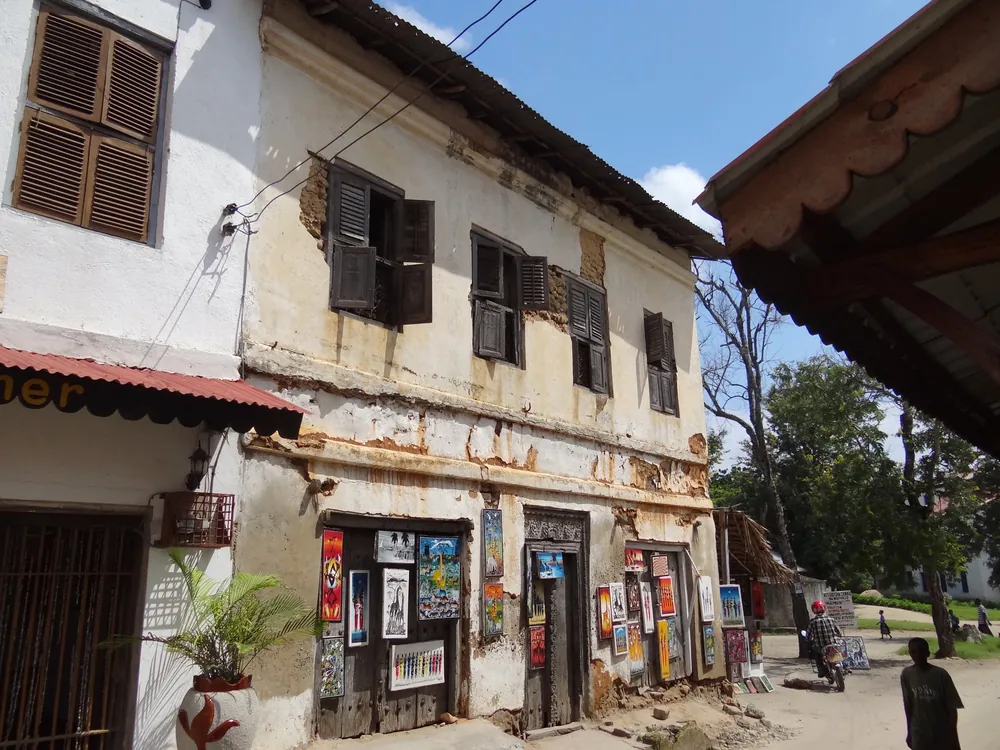
Their porters were very often Nyamwezi men from the country around Tabora, who walked to the coast and back as a career. Coastal Swahili and Omani traders settled at the inland halts, and in the 1850s they founded Kazeh, near present-day Tabora. Along the roads went goods, and with them the Swahili language and Islam, which is why both are strong far inland today.
Ivory, and people
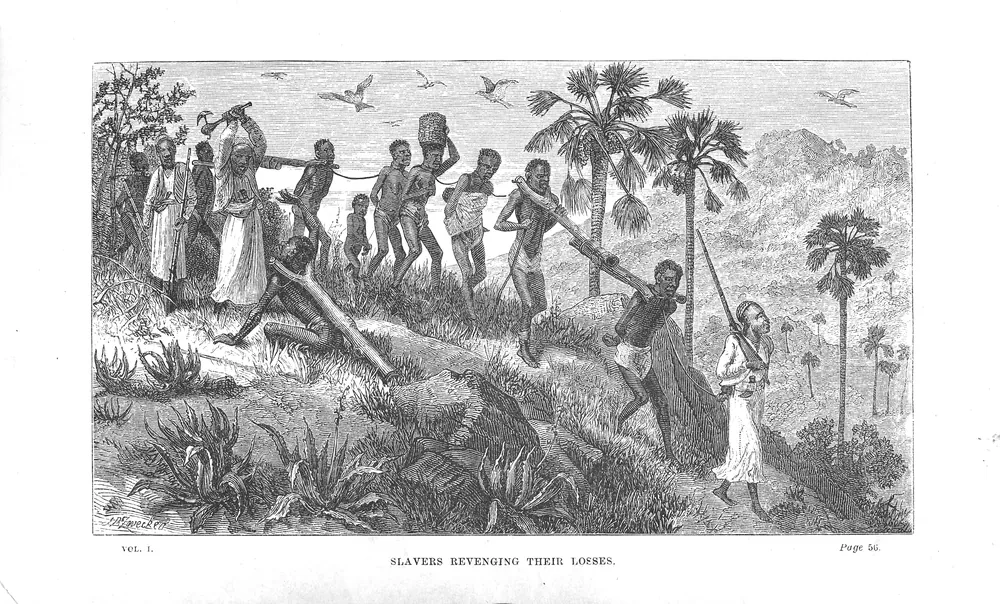
The caravans also carried enslaved people. Captives taken in raids and wars in the interior, some from as far as the Congo basin, were marched to the coast. Some were sold abroad; many were put to work on the clove plantations of Zanzibar and Pemba, whose economy is described on Zanzibar: sultanate to revolution.
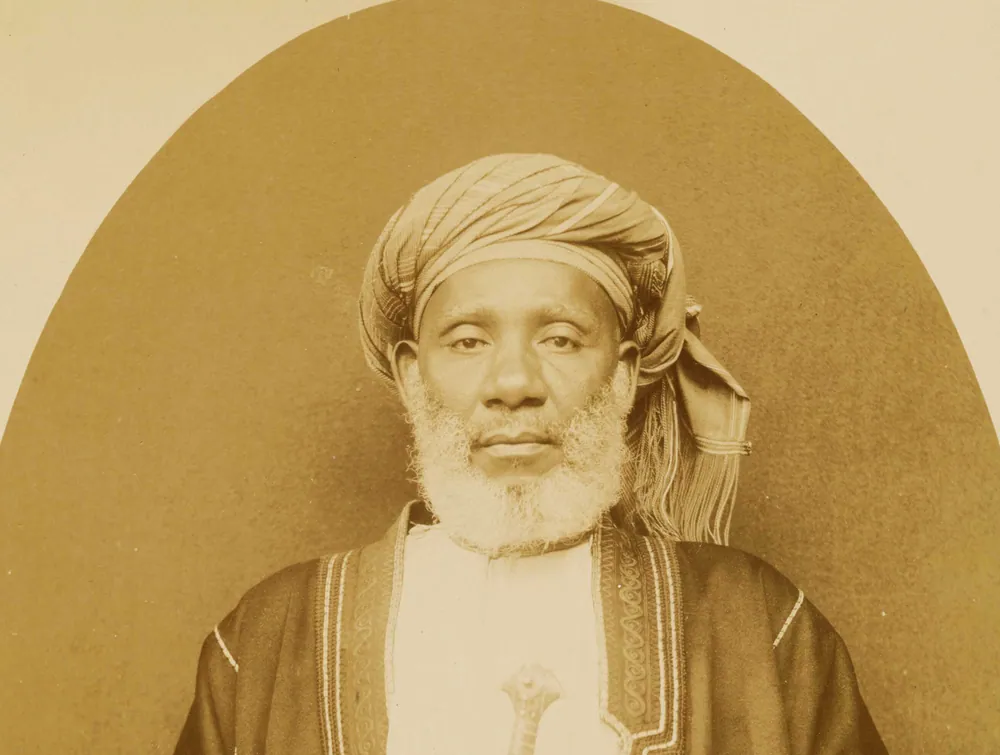
The most powerful of the traders was Tippu Tip, born in Zanzibar around 1832, who worked from bases at Tabora and Ujiji deep into the Congo and built a network of ivory and slave trading across central Africa. He died in Stone Town in 1905, having written the first autobiography in Swahili.
British pressure closed Zanzibar's slave market in 1873, but the trade did not end: it went on as smuggling, much of it through Pemba. Slavery lost its legal status in Zanzibar in 1897, and was ended completely only in 1909.
New powers in the interior
The trade, and the guns that came with it, reshaped the interior. From the south came the Ngoni: under Zwangendaba they crossed the Zambezi in 1835 and reached the plateau near Ufipa in the 1840s. After his death in about 1848 his following split, and some groups settled in the south, where the Ngoni are still the main people around Songea.
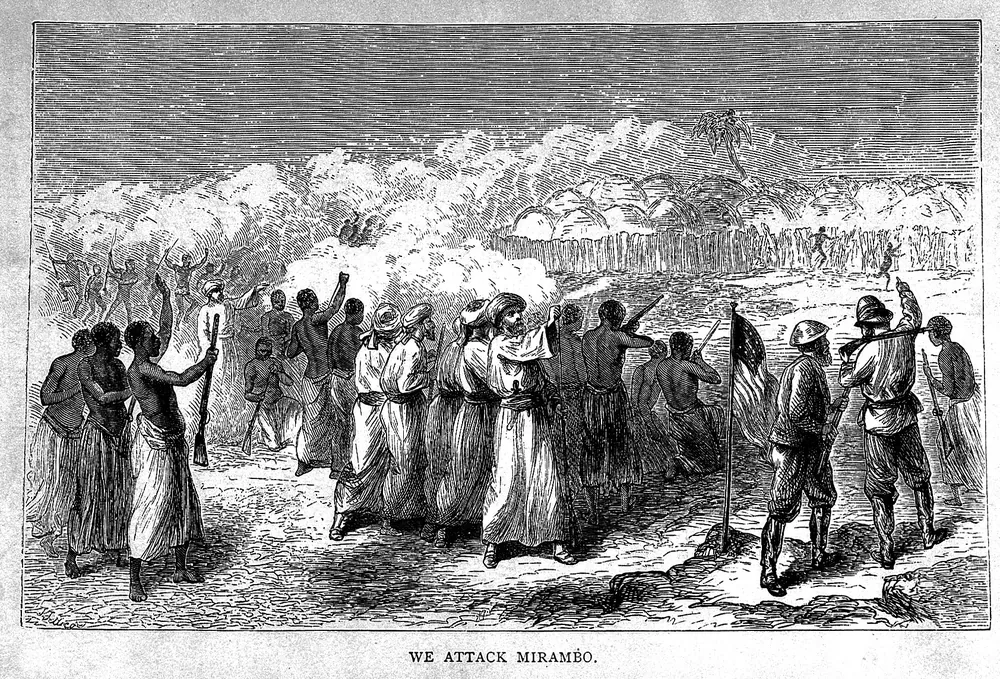
Among the Nyamwezi, Mirambo, born around 1840, seized power at Urambo in about 1860 and built the largest state by area in nineteenth-century East Africa, held by a standing army of ruga-ruga fighters. He fought the traders of Tabora for control of the caravan road for years, attacking the town in 1871, but never took it; the story is told on the Tabora guide. He died in 1884.
Elsewhere, the kingdom of Karagwe west of Lake Victoria hosted every expedition on the road to Buganda under its king Rumanyika (Kagera), and in the south the Hehe were building the state that, under Mkwawa, would fight the Germans hardest, told on German East Africa.
The explorers
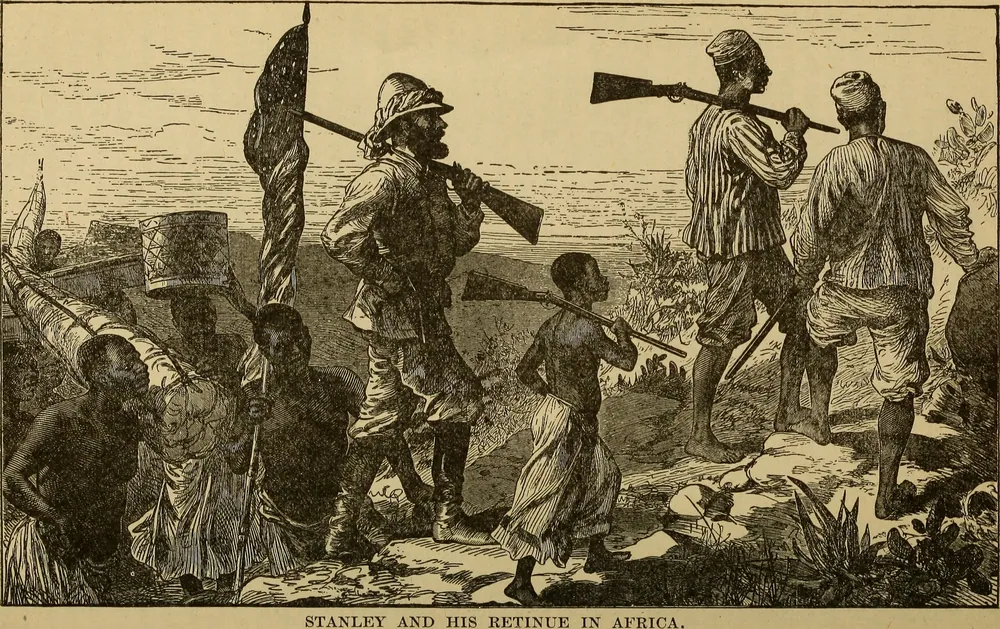
European explorers came late and followed the caravan routes, with porters and guides who already knew them. The first were missionaries based near Mombasa: in 1848 Johannes Rebmann saw the snow on Kilimanjaro, and geographers in London refused to believe there could be snow so near the equator.
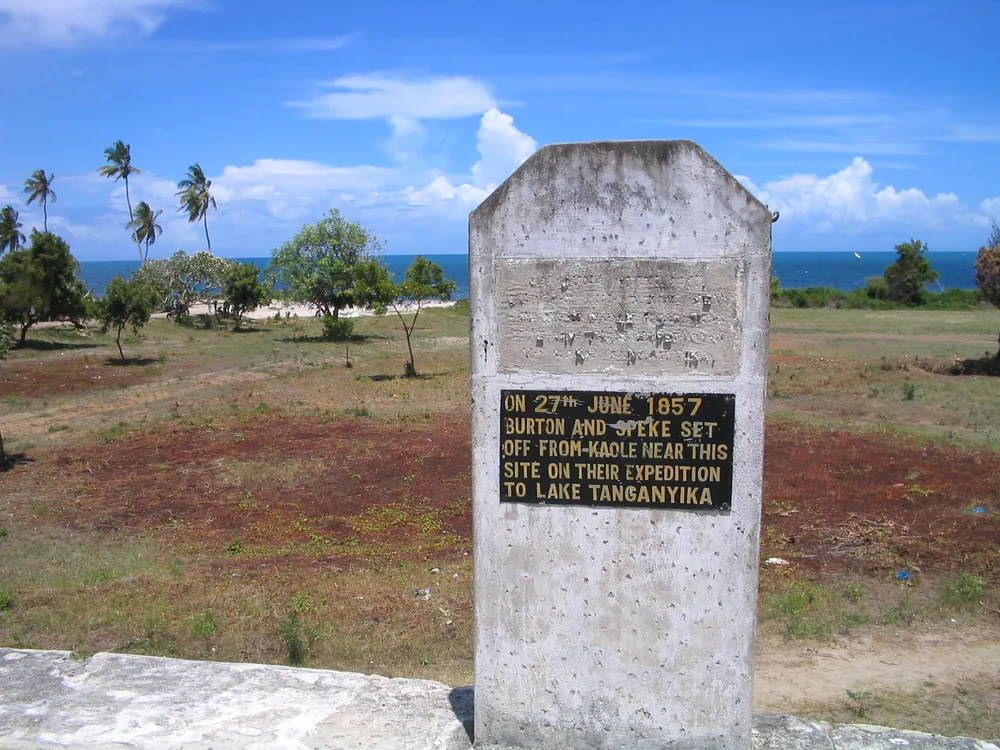
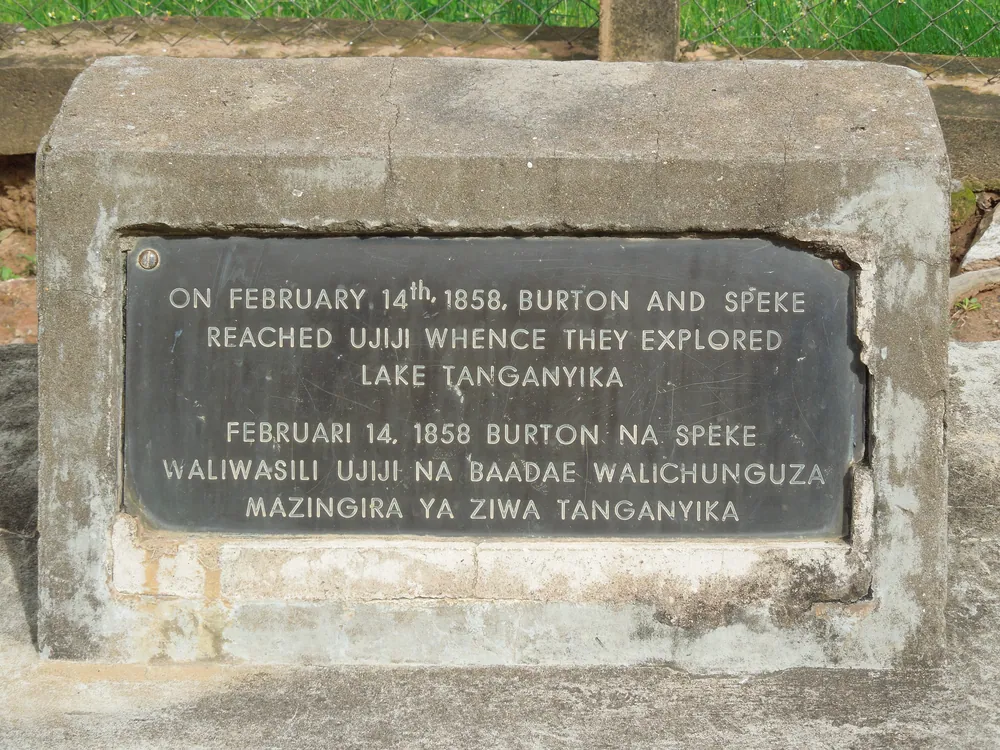
Richard Burton and John Hanning Speke set out from the coast in June 1857 and reached Lake Tanganyika at Ujiji in February 1858, the first Europeans to see it. On a side journey from Kazeh later that year, Speke reached the southern shore of Lake Victoria. With James Grant he came back in 1861, stayed with King Rumanyika in Karagwe, and in 1862 found the Nile flowing out of the lake at Ripon Falls.
David Livingstone left Zanzibar in January 1866 looking for the source of the Nile, and was lost to the outside world for years until Henry Morton Stanley found him at Ujiji in November 1871; the date and the famous greeting are both doubted, as the Kigoma guide explains. Livingstone died on 1 May 1873 in present-day Zambia. His African companions, led by Chuma and Susi, carried his body to the coast at Bagamoyo, and it was buried in Westminster Abbey.
The explorers' reports drew European governments' attention to the interior. About a decade after Livingstone's death the mainland began to be divided up, the story of German East Africa.
- What was the central caravan route?
- The main nineteenth-century trade road across Tanzania, about 1,200 kilometres from Bagamoyo on the coast through Tabora to Ujiji on Lake Tanganyika. It carried ivory, and enslaved people, to the coast, and trade goods, the Swahili language and Islam inland.
- Who was Mirambo?
- A Nyamwezi ruler, born around 1840, who took power at Urambo in about 1860 and built the largest state by area in nineteenth-century East Africa. He fought the traders of Tabora for control of the caravan route, and died in 1884.
- Who was Tippu Tip?
- A Zanzibari trader, born around 1832, who became the most powerful ivory and slave trader of the interior, working from Tabora and Ujiji into the Congo. He died in Stone Town, Zanzibar, in 1905.
- Where did Stanley meet Livingstone?
- At Ujiji, on Lake Tanganyika near present-day Kigoma, in November 1871. The date usually given is 10 November, but Livingstone's own record does not agree.
- When did the slave trade end in Tanzania?
- Zanzibar's slave market closed in 1873, but the trade continued as smuggling. Slavery lost its legal status in Zanzibar in 1897 and was fully abolished there in 1909; on the mainland it was ended under colonial rule.
Last reviewed 30 September 2026
Edited by Kabeer Dalvi
Checked against
- MiramboWikipedia
- Tippu TipWikipedia
- Ngoni people — Zwangendaba and the migration northWikipedia
- Johannes RebmannWikipedia
- John Hanning SpekeWikipedia
- David LivingstoneWikipedia
- Zanzibar slave tradeWikipedia