Songea
The capital of the far south-west, named after an Ngoni leader hanged by the Germans in 1906 — home to the national memorial of the Maji Maji war, a century-old Benedictine abbey, and the road to Lake Nyasa.
- Region
- Ruvuma Region, far south-west
- Population
- 286,285, Songea Municipal (2022 census)
- Region size
- 63,669 km² — 1.85 million people
- Named after
- Songea Lwafu Mbano, hanged 1906
- Borders
- Mozambique to the south, Lake Nyasa to the west
The Ngoni, and the hanging of 1906
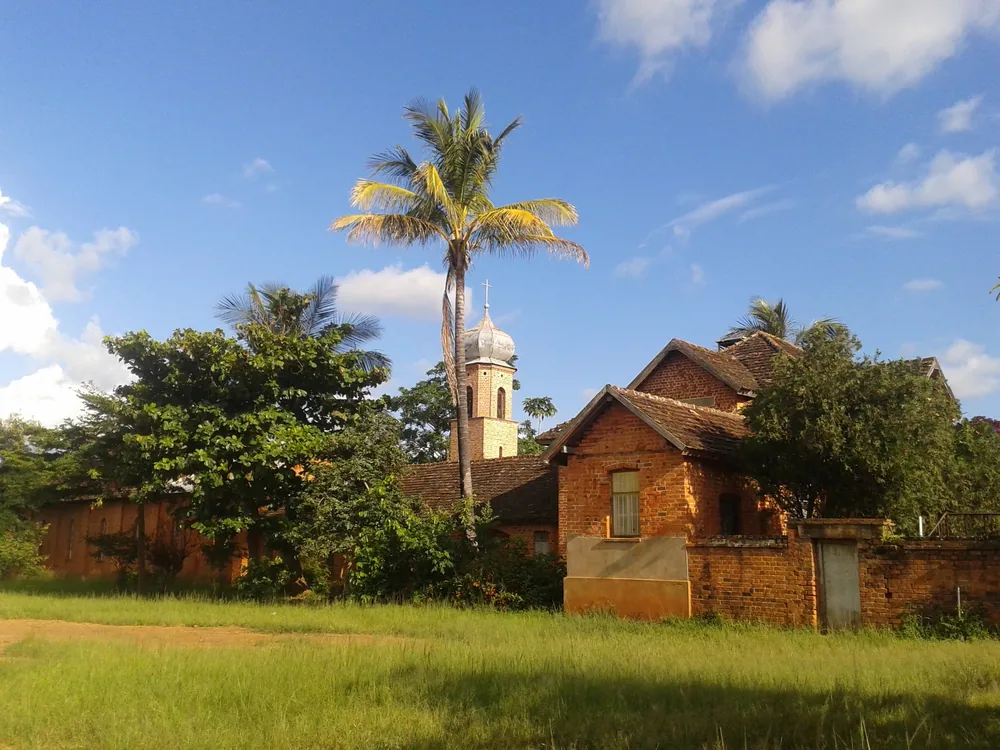
The Ngoni came from far to the south. Their ancestors were among the peoples scattered by the wars that accompanied the rise of the Zulu kingdom in the early nineteenth century, and over decades of migration some of them crossed the Zambezi and moved north. By the middle of the century Ngoni groups had settled in this highland, where they built powerful military states and raided widely.
In 1905 the Maji Maji war broke out against German rule, beginning in the Matumbi hills of the south-east and spreading across the colony. Its followers believed that a sacred water — maji — would turn German bullets to water. The Ngoni joined the rising with thousands of fighters. The war ended in 1907, and the German scorched-earth campaign that crushed it caused a famine; estimates of the dead run from 75,000 to 300,000.
On 27 February 1906 the Germans hanged the captured leaders of the resistance here — around 67 of them, according to the memorial — among them the Ngoni leader Songea Lwafu Mbano, whose name the town carries. Songea is buried behind the Maji Maji memorial museum, beside a mass grave of those executed with him.
The missions had arrived shortly before. Benedictine monks from St Ottilien founded Peramiho in 1898; its founder, Bishop Cassian Spiss, was killed in 1905 as the war spread. Much later, during Mozambique's war of independence, the border area around Songea was a restricted zone and suffered occasional Portuguese air attacks.
Maize, coffee and a long road to the coast
What the region produces
- Maize
- One of the country's surplus regions
- Coffee
- Arabica from the Mbinga highlands
- Cashew
- Grown in Tunduru, to the east
- Tobacco
- A long-standing cash crop
- Minerals
- Coal and gold deposits
Ruvuma is one of the regions that feed Tanzania. It is among the country's main maize surplus areas, and most of its people work in agriculture. Tobacco is grown for cash, cashew in the lower, hotter country of Tunduru, and coffee in the highlands of Mbinga to the west.
Mbinga's farmers, the Matengo, are known to agricultural scientists for the ngolo system: on steep slopes they dig grids of pits that trap rainwater, soil and cut grass, stopping erosion and fertilising the next season's crop. It has sustained intensive farming on hills that would otherwise wash away.
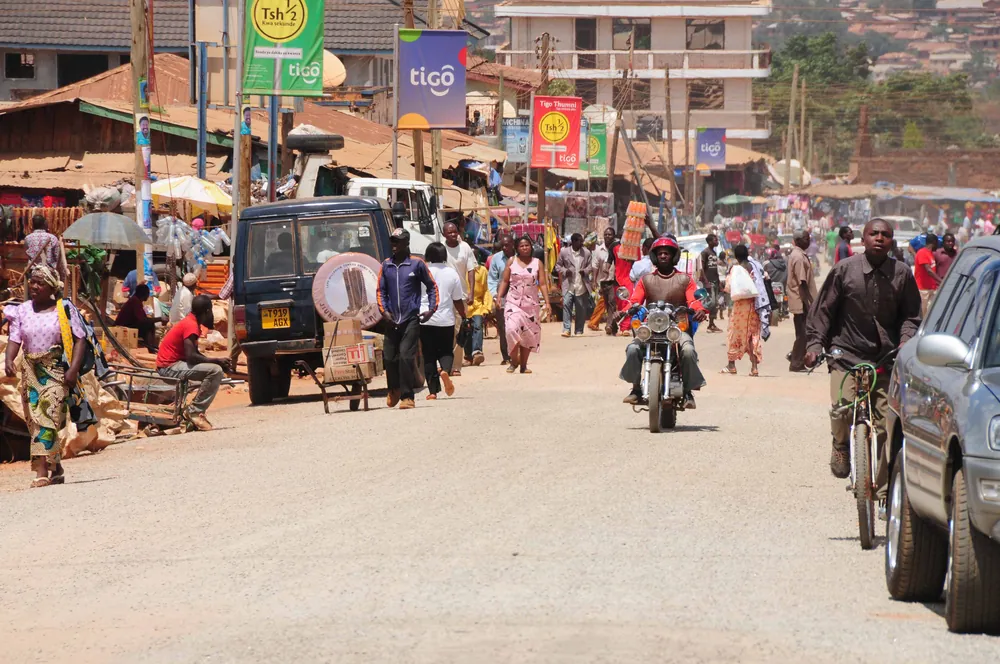
Songea became a municipality in 2006. It is a long way from the ports, but improved roads east towards Mtwara and north to Makambako have brought it much closer, and it is growing quickly as the service centre for the whole south-west.
Memory, and the forgiveness asked for
Songea is where Tanzania remembers the Maji Maji war. The Maji Maji War Memorial Museum, run by the National Museum of Tanzania, holds photographs of the men hanged in 1906 and the objects of the resistance, and 27 February, the day of the executions, is remembered in the town every year.
In November 2023 the President of Germany, Frank-Walter Steinmeier, came to the museum, met descendants of Songea Mbano, and asked for forgiveness. "I am ashamed about what German colonial soldiers did to your forefather and his fellow warriors," he said, and he told his hosts that Germany was ready to work with Tanzania on returning cultural property and human remains taken in the colonial period.
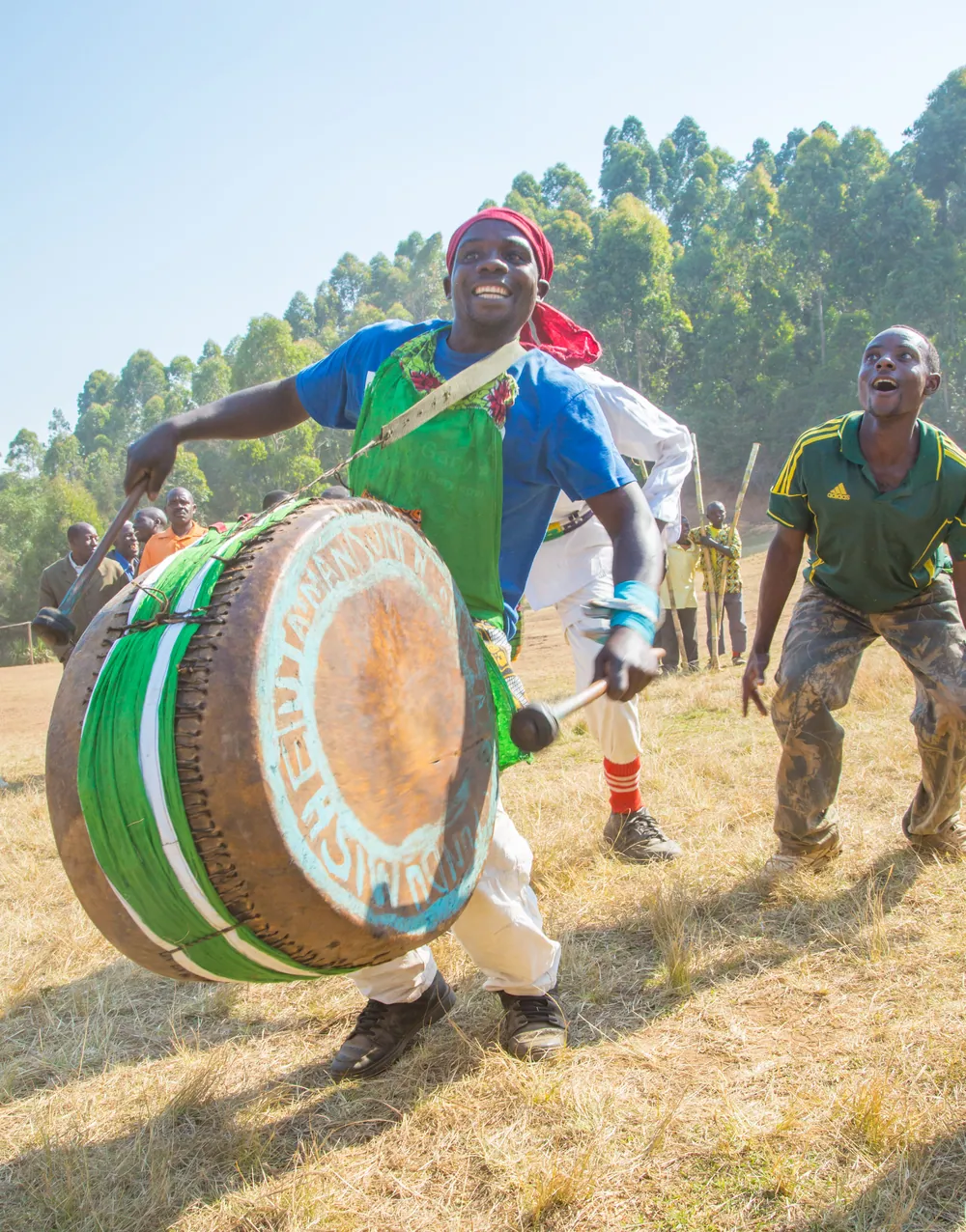
The region is home to the Ngoni, the Matengo, the Yao, the Nyasa and several other peoples, and is strongly Catholic — Songea is the seat of an archdiocese, and Peramiho remains a working abbey with a hospital and schools. Dances such as mganda are still drummed and danced in the town.
Informational — none of this is ticketed by us
National museum
Maji Maji War Memorial Museum
Tanzania's museum of the Maji Maji war, with photographs of the leaders hanged in 1906. Run by the National Museum of Tanzania.
Memorial
The heroes' graves
Behind the museum: the grave of Songea Mbano and the mass grave of those executed with him. A place to visit quietly.
Monastery
Peramiho Abbey
Founded by Benedictine missionaries in 1898, outside Songea. Still a working abbey, with a hospital and schools.
Market town
Songea town
The busy commercial centre of the south-west, and the place to stock up before the road west.
Farming landscape
Mbinga and the Matengo highlands
Coffee country, and the pit-cultivated hillsides of the ngolo system, on the way to the lake.
Lakeshore
Mbamba Bay, Lake Nyasa
The region's port on Lake Nyasa, on Tanzania's south-western border. A long drive, and a quiet shore at the end of it.
Before you go
- Getting there
- Air Tanzania flies Dar es Salaam–Songea several times a week. By road, Songea is on the paved route from Makambako and Njombe.
- Getting around
- Town is walkable. Peramiho, Mbinga and the lake need a vehicle and driver.
- When to come
- May to October is dry. The rains run roughly November to April, when rural roads suffer.
- The memorial
- The graves and museum are a place of mourning for many families. Dress modestly and ask before photographing people.
- Border region
- Mozambique is close to the south. Carry your passport when travelling outside town.
- Money
- Shillings. ATMs in Songea; carry cash for Mbinga and the lake.
Last reviewed 2026-09-15
Editorial — fact-check complete
Checked against
- 2022 Population and Housing Census — administrative unitsNational Bureau of Statistics, Tanzania
- Majimaji War Memorial MuseumNational Museum of Tanzania
- Maji Maji memorial in Songea — 27 February 1906The EastAfrican
- German president asks for forgiveness in Tanzania over colonial-era atrocitiesCNN
- Maji Maji Rebellion — outbreak, Ngoni involvement, death tollWikipedia
- Peramiho Abbey — historyMissionary Benedictines, Peramiho
- Intensive cultivation and environment use among the MatengoAfrican Study Monographs, Kyoto University
- Songea and Ruvuma Region — municipality, economy, peoplesWikipedia