Kigoma
The end of the Central Railway on the shore of the second deepest lake on earth — the old caravan town of Ujiji beside it, and the chimpanzee forests of Gombe and Mahale a boat ride away.
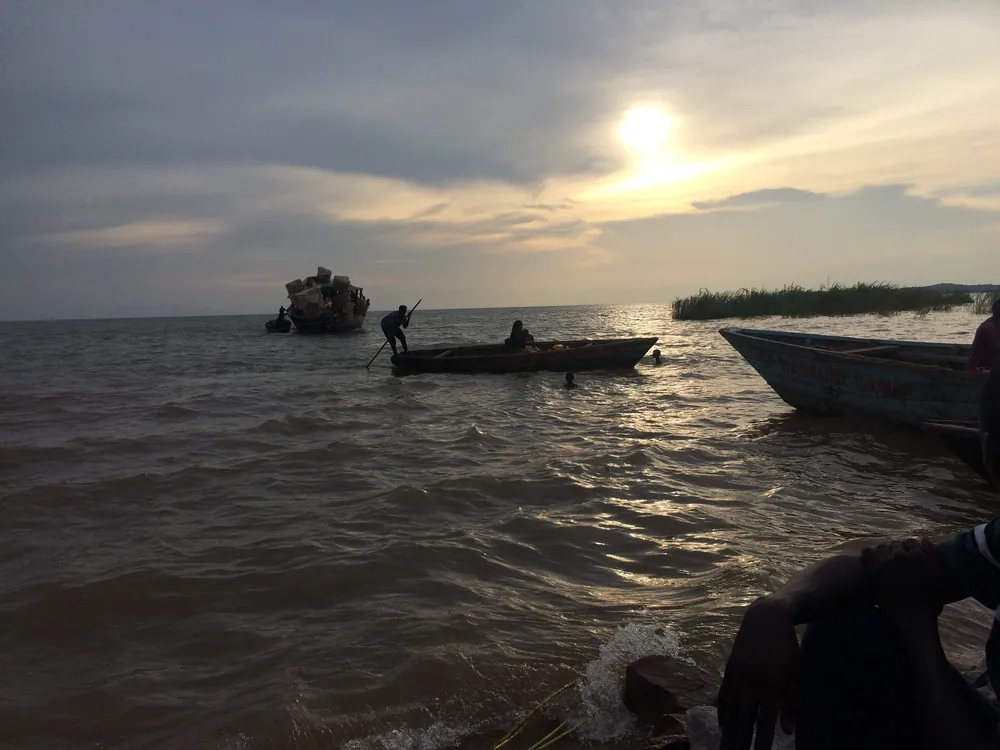
Fishing boats going out on Lake Tanganyika. The lake is the reason for the town, and still most of its economy.
- Region
- Kigoma Region, far western Tanzania
- Population
- Kigoma-Ujiji municipal, about 250,000 (2022)
- Lake
- Tanganyika — about 1,470 m at its deepest
- Borders
- Burundi and the DRC across the water
- Airport
- Kigoma Airport (TKQ)
The caravan town, and a meeting nobody can quite date
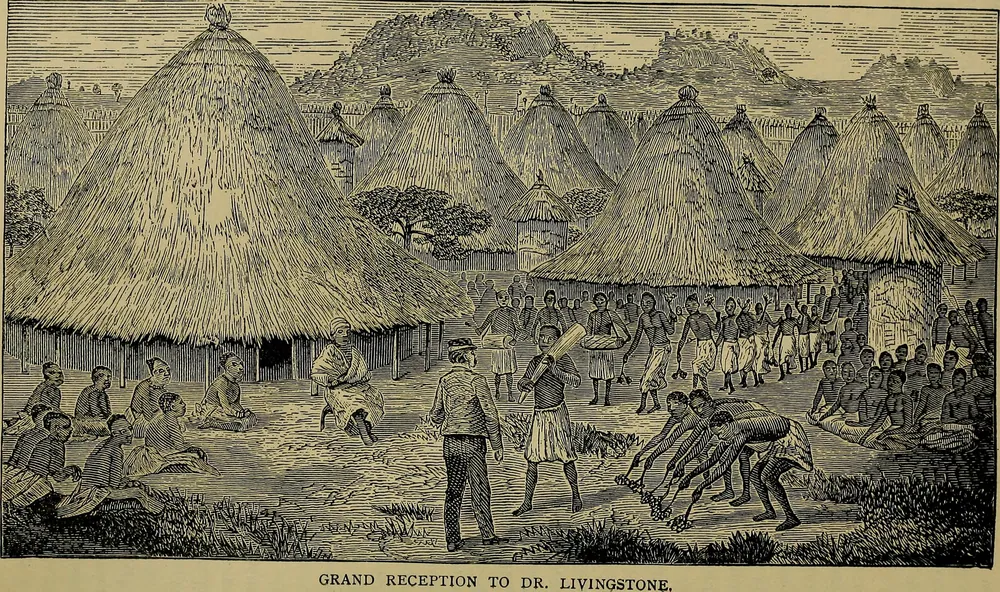
Kigoma is the newer town. The old one is Ujiji, eight kilometres south along the shore, and it is the oldest town in western Tanzania. By the middle of the nineteenth century it was the lakeside terminus of the caravan route from Bagamoyo — some twelve hundred kilometres east — under the nominal authority of the Sultan of Zanzibar, and the place where ivory and captives from the Congo basin were gathered for the march to the coast.
It was also where European exploration of the interior kept arriving. Richard Burton and John Hanning Speke reached the lake here in 1858. And in 1871 Henry Morton Stanley, sent by the New York Herald to find a missionary the world had lost track of, walked into Ujiji and found David Livingstone — ill, short of supplies, and very glad to see him.
Two parts of that story are less certain than they are usually told. The meeting is conventionally dated 10 November 1871, but Livingstone had been seriously ill and had lost track of the calendar, and his own record does not agree. And the line everybody knows — Dr Livingstone, I presume? — does not appear in Livingstone's account, and the page of Stanley's diary where the greeting should be was torn out. The phrase first appears in print in July 1872. Stanley's biographer Tim Jeal argues he invented it afterwards. It is probably the most famous sentence in the history of African exploration, and it may never have been said.
Kigoma itself grew with the German Central Railway, which reached the lake in 1914 — just in time for the First World War to be fought on it. The German ship Graf von Götzen, launched here in 1915 to control the lake, was scuttled in 1916, raised by the British, and put back into service in 1927 as the MV Liemba. Out of service since 2018, she has been through a major refit and is due back on the lake from September 2026.
Dagaa, palm oil, and a border town's trade
What the region lives on
- Dagaa
- Small sardine-like fish, dried and sold widely
- Palm oil
- The characteristic crop of the lakeshore
- Cross-border trade
- Burundi and the DRC by water
- Beans & cassava
- The agricultural staples
- Railway
- The western end of the Central line
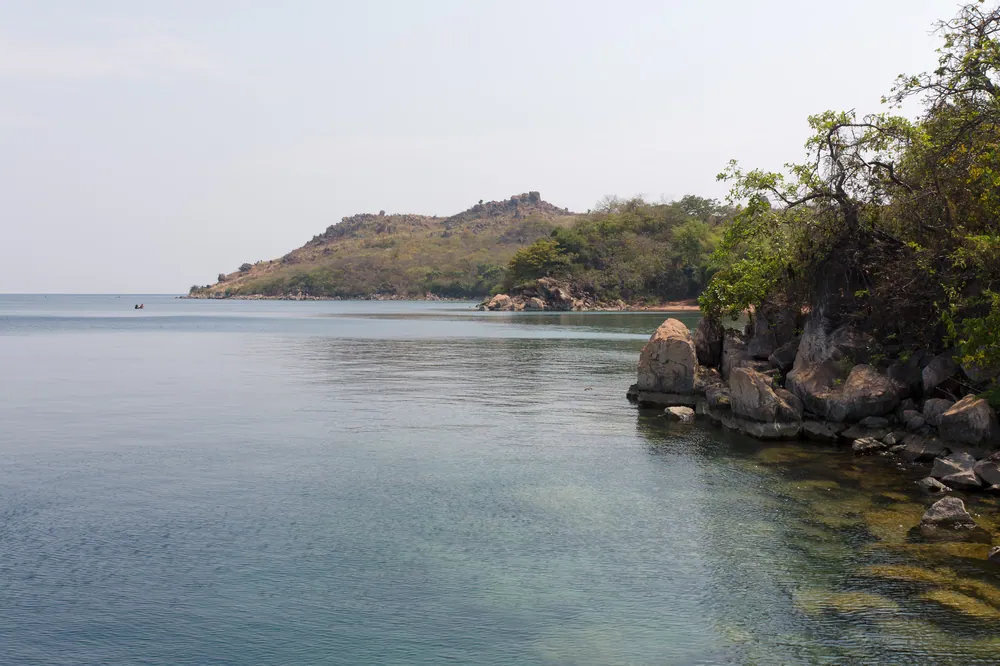
Kigoma's economy is the lake. The catch that matters is dagaa — small sardine-like fish caught at night by lamplight, which is why the lake is dotted with lights after dark — dried on the beaches and sent across Tanzania and beyond. Larger fish, including the Lake Tanganyika sardine and several species of perch, go to local markets.
Along the shore, oil palm gives the region a look quite unlike the rest of Tanzania, and palm oil is traded widely. Inland, beans, cassava and maize feed the region.
The other economy is the border. Kigoma sits across the water from Burundi and the Democratic Republic of the Congo, and trade moves by boat in both directions. The region has also, for decades, hosted very large numbers of refugees from conflicts in both countries — a humanitarian presence that has shaped the local economy and is part of why Kigoma has more international organisations in it than a town of its size would suggest.
The Ha, the lake, and the edge of the map
The Ha are the principal people of Kigoma Region, farmers of the hills behind the lake with a history of chiefdoms closely related to those of neighbouring Burundi. Kiswahili is the working language, but the region's cultural geography looks west, across the lake, as much as east towards Dar es Salaam.
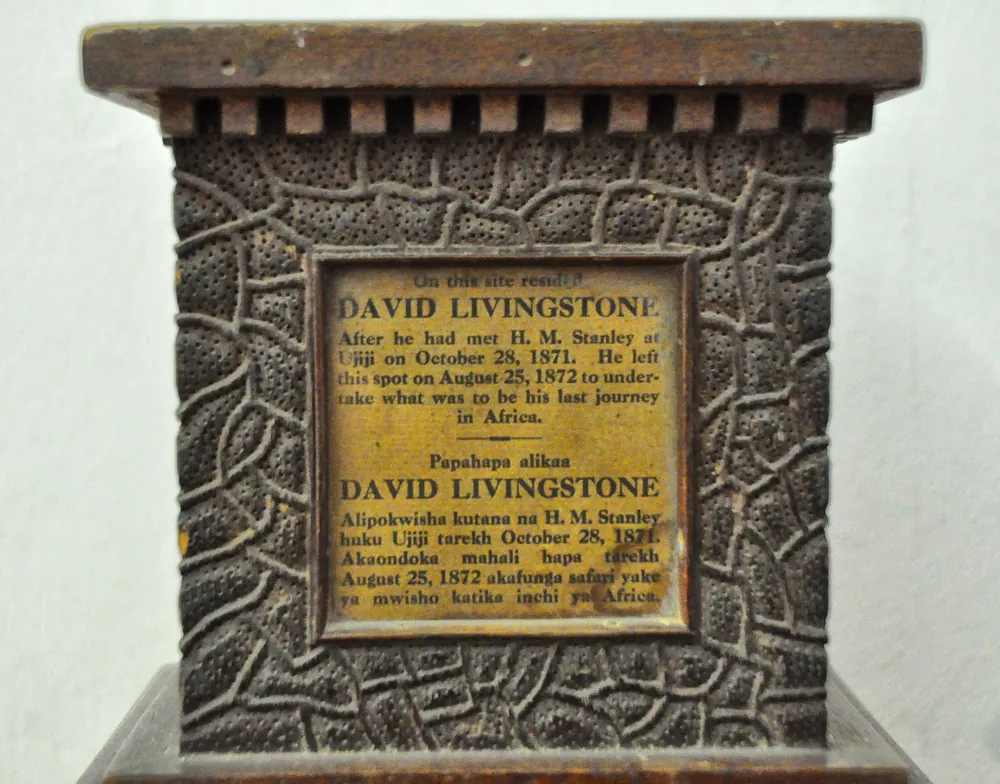
Ujiji keeps a strong Swahili and Muslim character from the caravan period — the coastal influence that arrived with the traders never left. The Livingstone Memorial stands on the site of the meeting, with a modest museum and a mango tree said to be grafted from the one that shaded it. It is a national historic site, and a quiet, slightly melancholy place.
For most visitors Kigoma is a staging post rather than a destination: the base for Gombe, an hour or two north by boat, and the gateway to Mahale further south. But the town rewards a day. The lake is clear enough to swim in, the sunsets over the Congolese mountains are extraordinary, and the station at the end of a line that starts at the Indian Ocean has a sense of arrival that flying in cannot give you.
Towns, parks and places across Kigoma Region
Town
Uvinza
A salt town on the Malagarasi River, whose springs supplied the regional salt trade in the nineteenth century.
Wetland
Malagarasi–Muyovozi wetlands
River, swamp and floodplain feeding Lake Tanganyika — designated in 2000 as Tanzania's first Ramsar site, covering some 35,000 km².
National park
Kigosi National Park
Wetland and miombo woodland, shared with Geita and Shinyanga regions.
Informational — none of this is ticketed by us
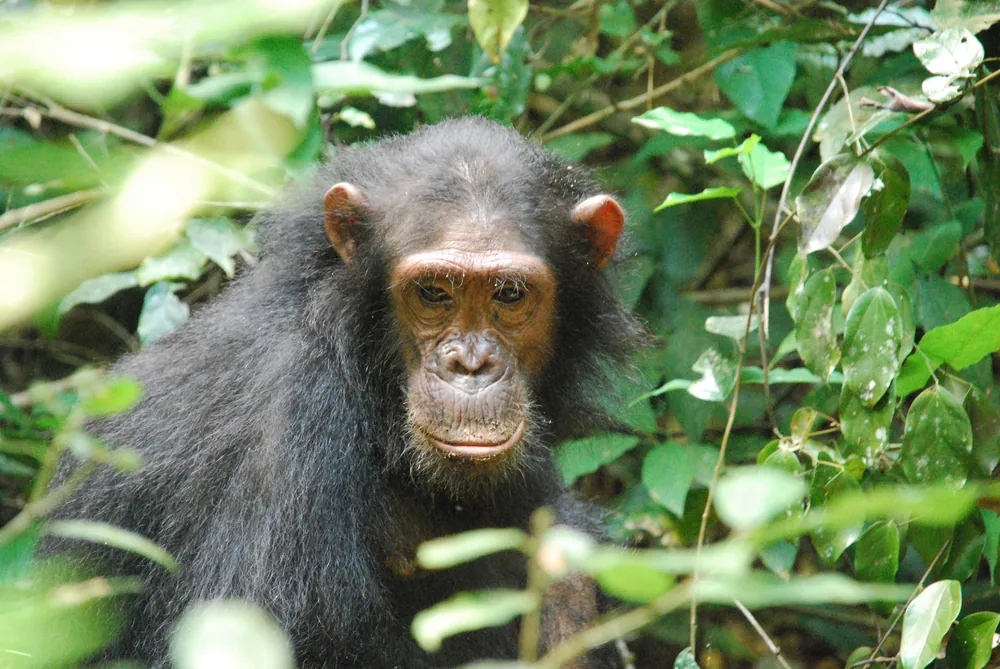
National park
Gombe National Park
An hour or two north by boat. Where Jane Goodall began studying chimpanzees in 1960, and the research has never stopped.
Historic site
Ujiji and the Livingstone Memorial
Eight kilometres south. The caravan terminus, the memorial, and a small museum.
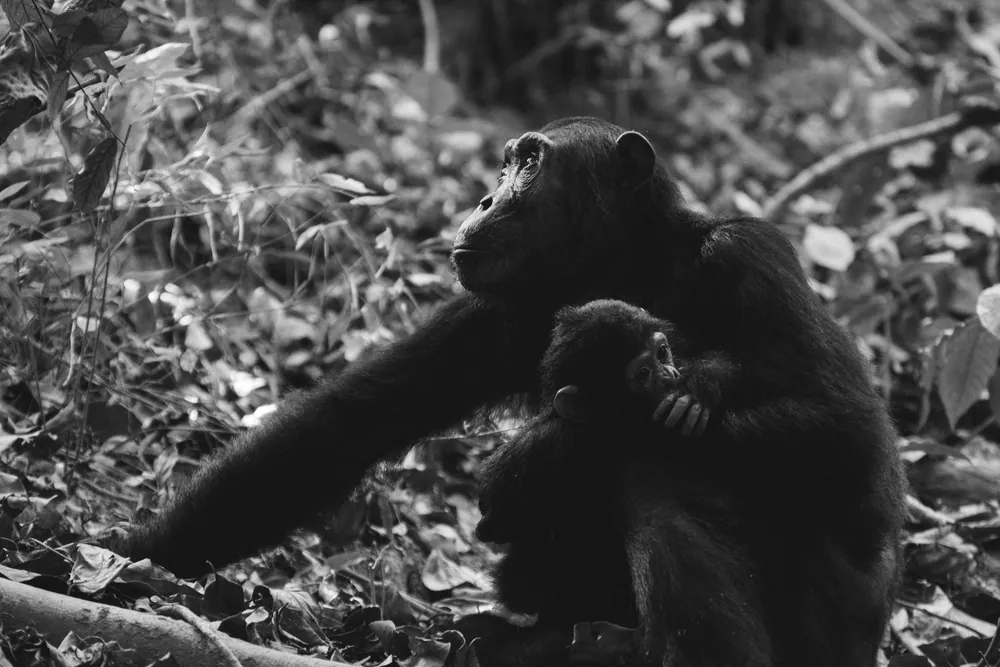
National park
Mahale Mountains National Park
Further south, reached by boat or light aircraft — chimpanzees on a mountainside falling into the lake.
Heritage vessel
MV Liemba
Built in Germany in 1913, scuttled in 1916, raised and relaunched in 1927. Due back in service from September 2026 — confirm sailings before planning around it.
Lakeshore
Jakobsen's Beach
Small coves south of town with clear water, and the easiest swimming near Kigoma.
Heritage
The Central Railway terminus
The German-era station at the western end of the line from Dar es Salaam, completed in 1914.
Before you go
- Getting there
- Flights from Dar es Salaam and Arusha. The Central Railway runs from Dar — a long journey, and the more memorable one.
- For Gombe
- Boats leave from Kigoma; the trip takes one to two hours depending on the vessel. Book the park and a guide in advance.
- When to come
- May to October is dry and best for chimpanzee tracking. The rains run November to April.
- The lake
- Clear and safe to swim in at the established beaches. Ask locally before swimming anywhere else.
- Border region
- Carry your passport. Kigoma is close to two international borders and checks are routine.
- Money
- Shillings. ATMs in town; carry cash for Gombe and for boats.
Last reviewed 2026-09-15
Editorial — fact-check complete
Checked against
- Ujiji — history, Burton and Speke, the Stanley–Livingstone meetingWikipedia
- 'Dr Livingstone, I presume' presumed falseHistory News Network
- MV Liemba restoration and return to serviceThe Citizen
- Gombe National ParkTanzania National Parks (TANAPA)
- Malagarasi River — Ramsar wetlands and Uvinza saltWikipedia