The Swahili coast
How a string of African trading towns on the Indian Ocean grew rich on the monsoon trade, took up Islam, built in coral stone, and gave East Africa its most widely spoken language, until the Portuguese arrived in 1498.
Edited by Kabeer Dalvi · Updated 3 October 2026
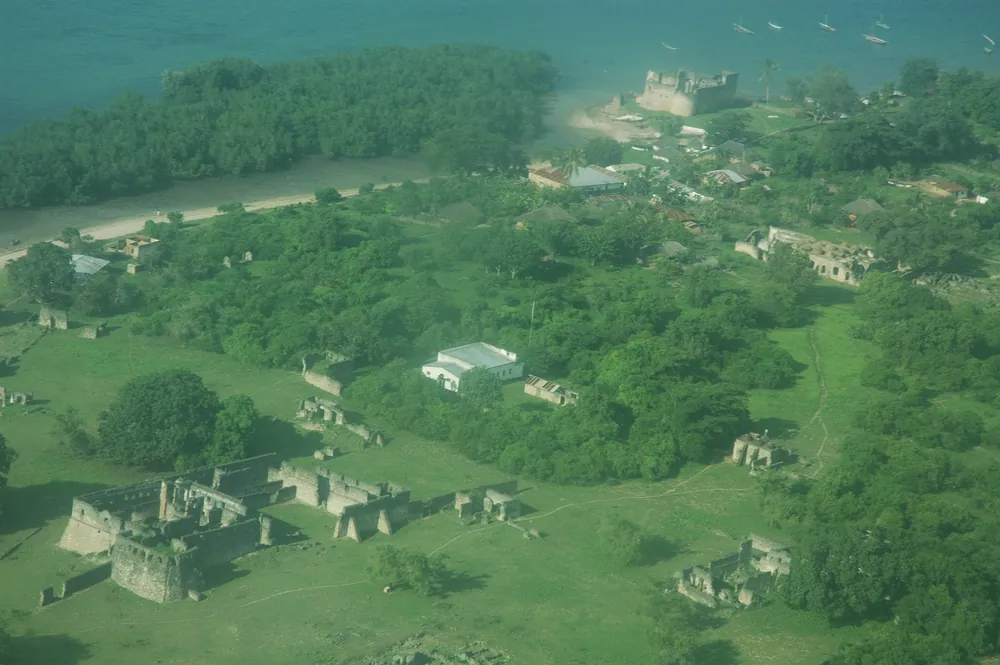
The ruins of Kilwa Kisiwani from the air.
- First written mention of this coast
- 1st century AD (the Periplus)
- Earliest Swahili towns and mosques
- From the 8th century
- Kilwa founded
- 9th century
- Ibn Battuta visits Kilwa
- 1331
- Portuguese ships reach the coast
- 1498
The first record: Rhapta
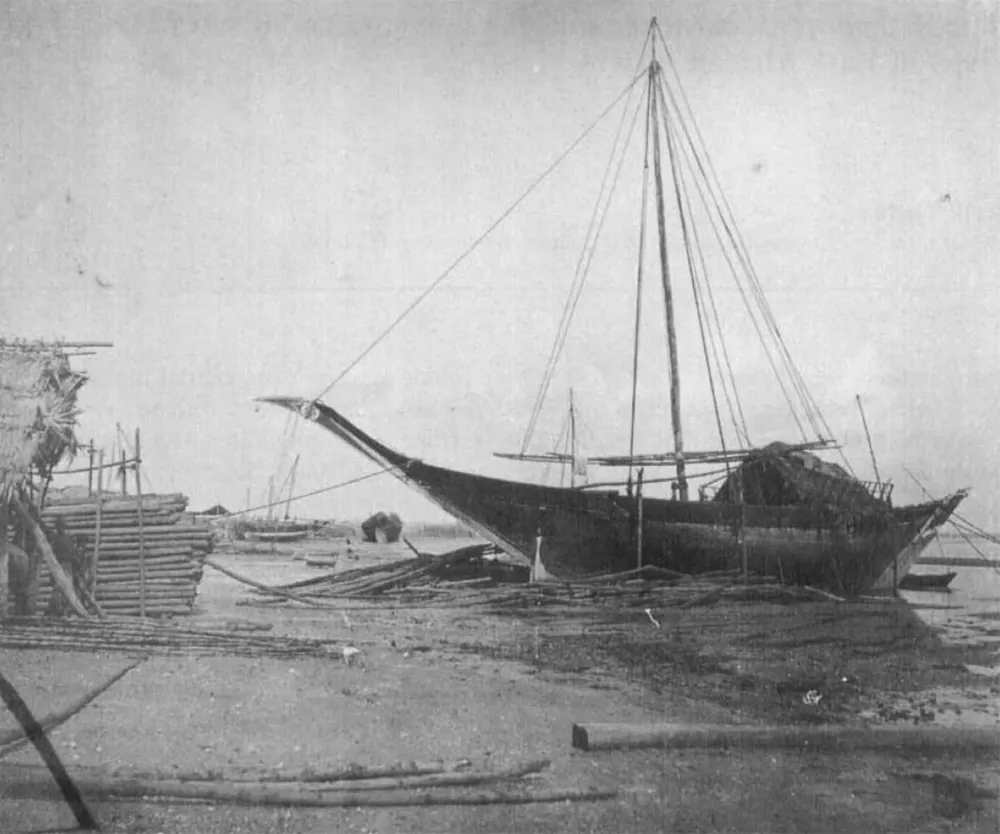
The oldest written description of this coast is in the Periplus of the Erythraean Sea, a Greek sailing guide of the first century AD. It names Rhapta as the last trading town of the coast it calls Azania, a source of ivory and tortoiseshell, and takes the name from the sewn boats used there.
Nobody knows where Rhapta was. Historians have proposed the mouth of the Pangani, the area around present-day Dar es Salaam, and the Rufiji delta opposite Mafia, where archaeologists have found evidence of trade with the Roman world in the first centuries AD.
The trading towns
From about the eighth century permanent towns grew along the coast and islands: Pemba was part of this trading world by around 600 AD, and Kaole near Bagamoyo, Mafia and Kilwa all date from the eighth and ninth centuries. Mosques were being built by the eighth century, and over time Islam became central to coastal life.
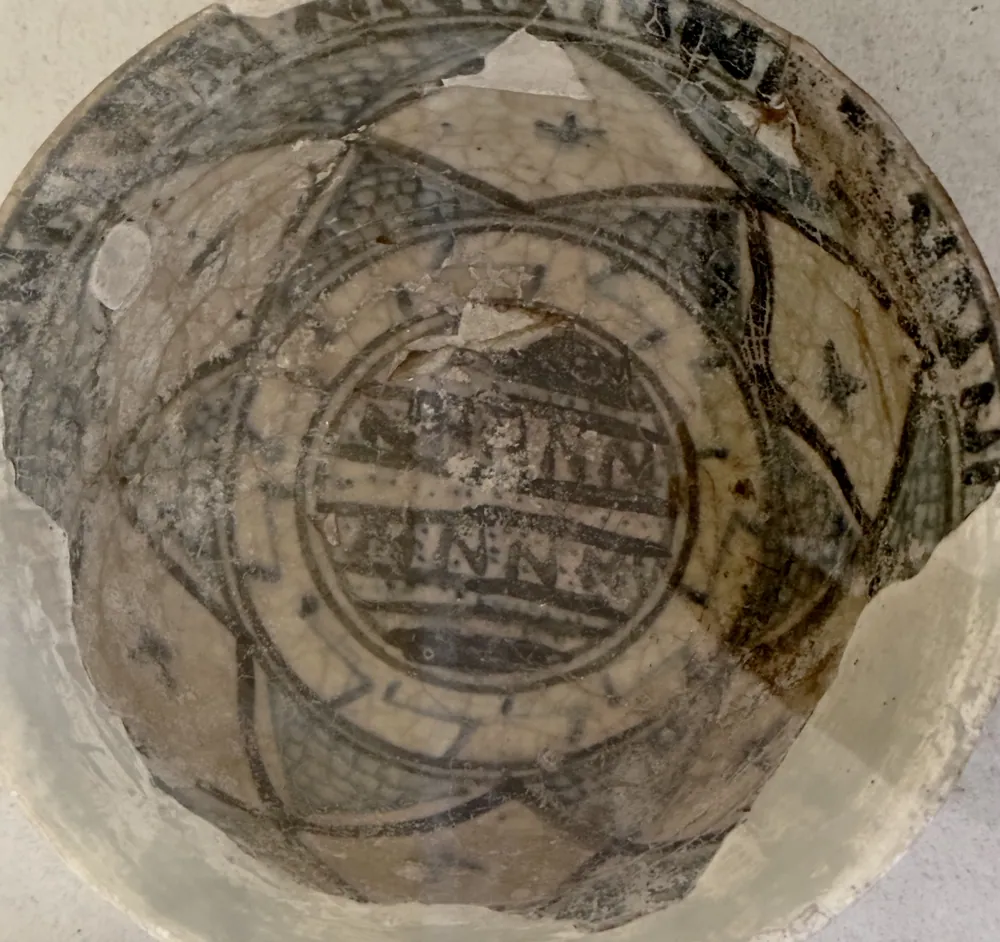
Trade ran on the monsoon. The winds blow from the north-east for part of the year and from the south-west for the rest, so ships could sail to Arabia, the Gulf and India and come back again on a predictable schedule. The coast sent out gold, ivory, timber, skins and spices, and bought cotton cloth from India and porcelain from China, which the townspeople set into the walls of their mosques and tombs.
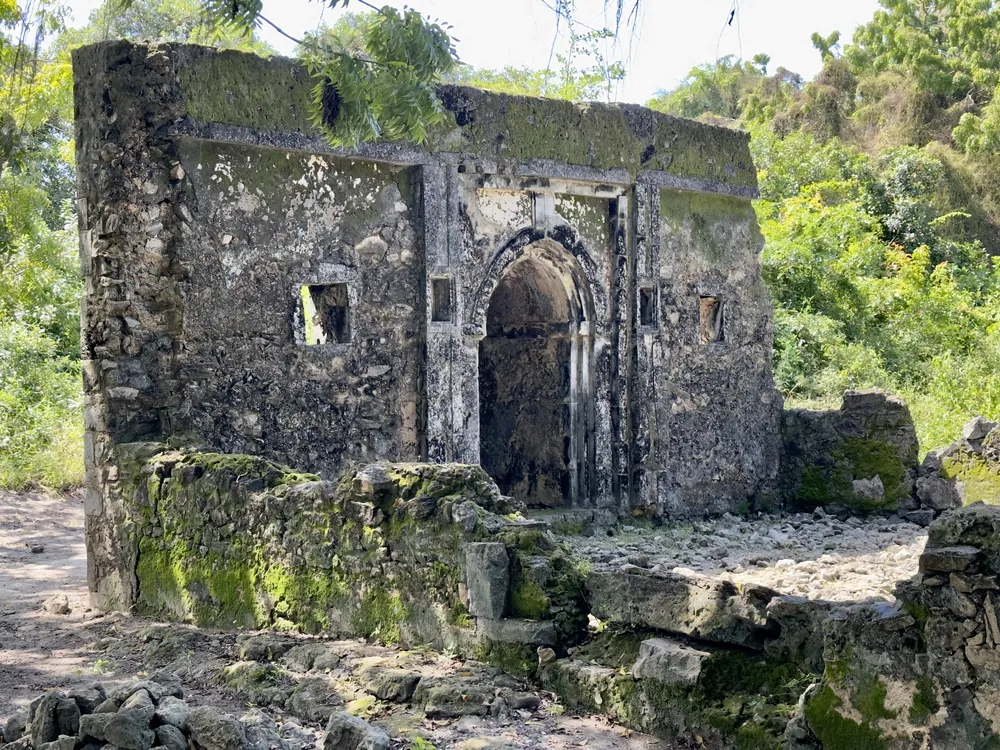
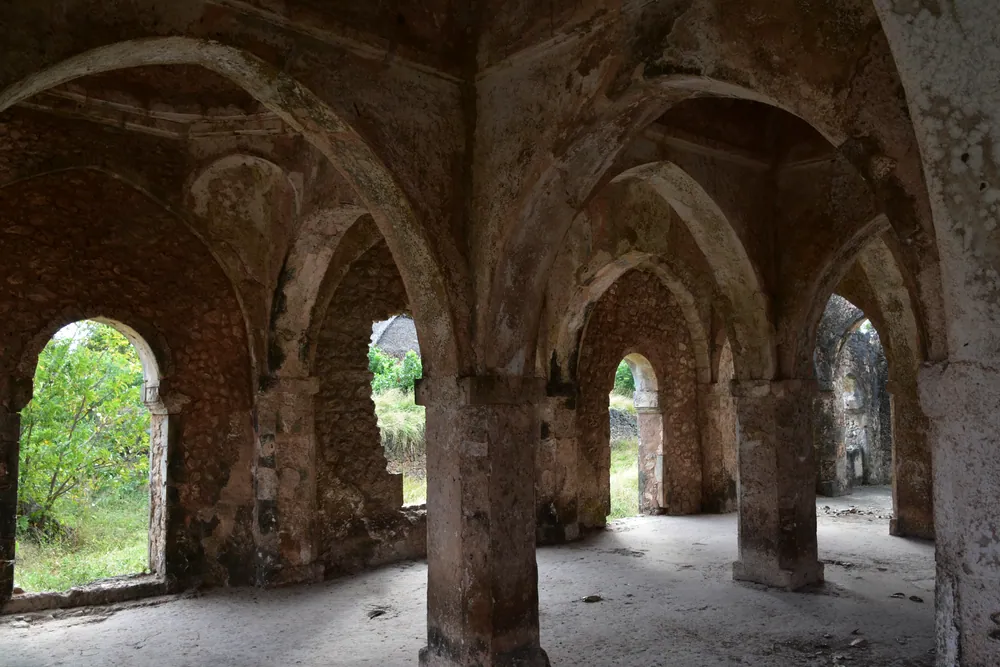
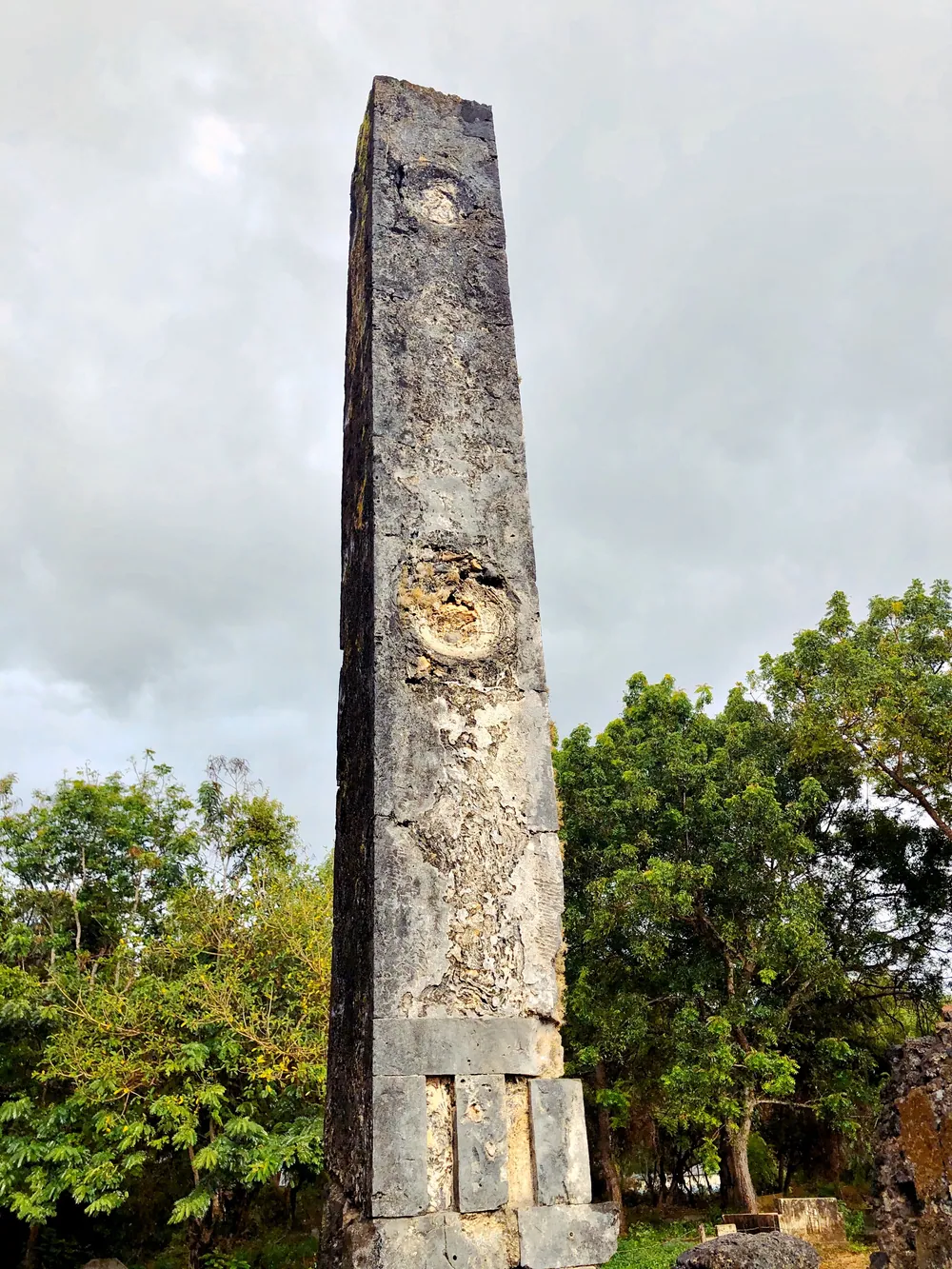
The richest families built in coral stone and lime: mosques, houses and tall pillar tombs, of which Tongoni near Tanga has one of the largest groups on the coast.
Kilwa's golden age
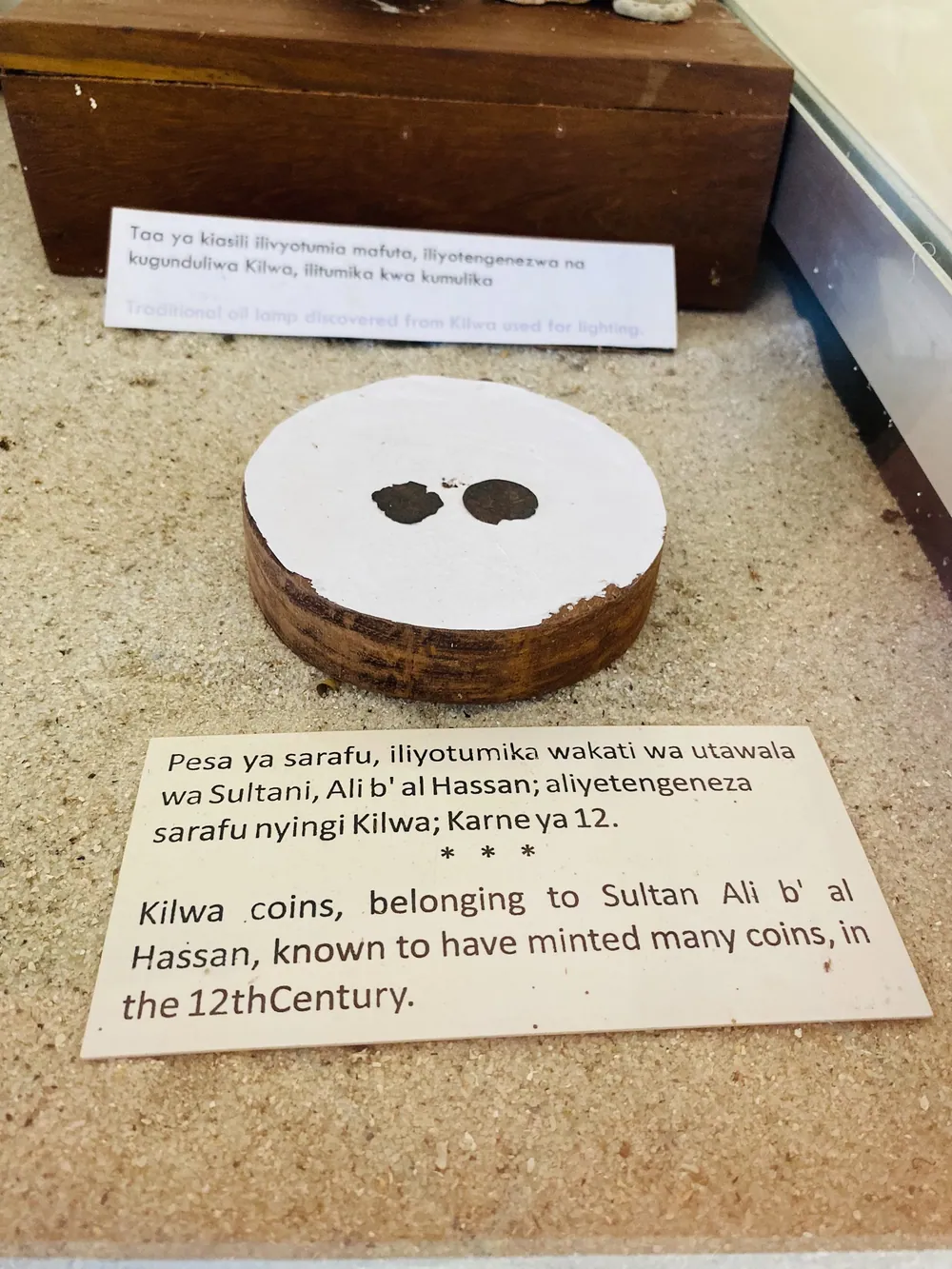
The greatest of the towns was Kilwa Kisiwani. Its own chronicle says it was founded by Ali ibn al-Hassan, a prince from Shiraz in Persia, who bought the island from its African owners; archaeology dates the first settlement to the ninth century, and the founding story is best read as a later family tradition.
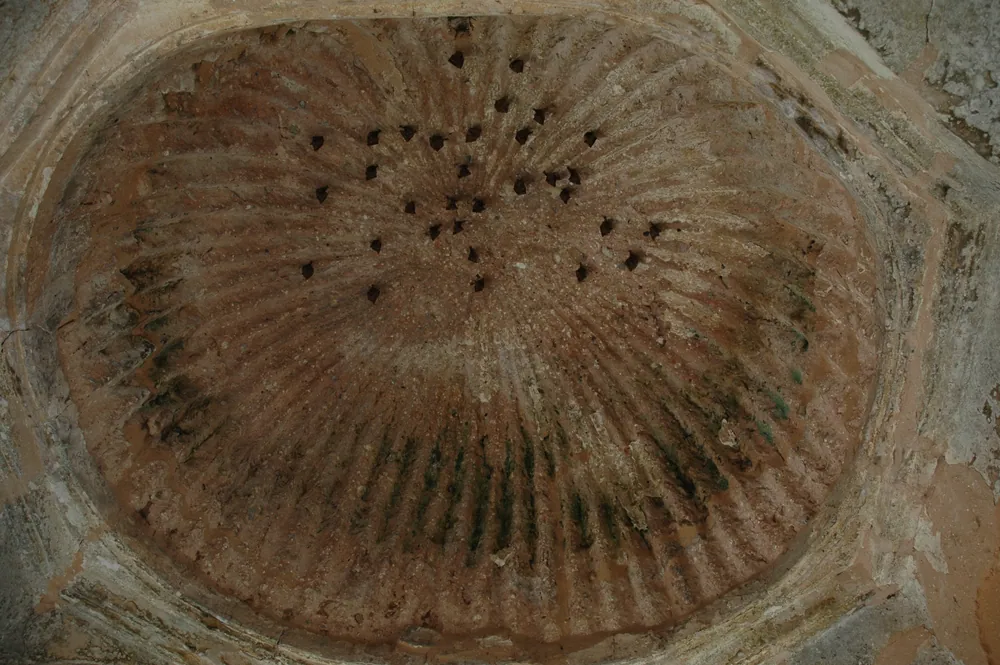
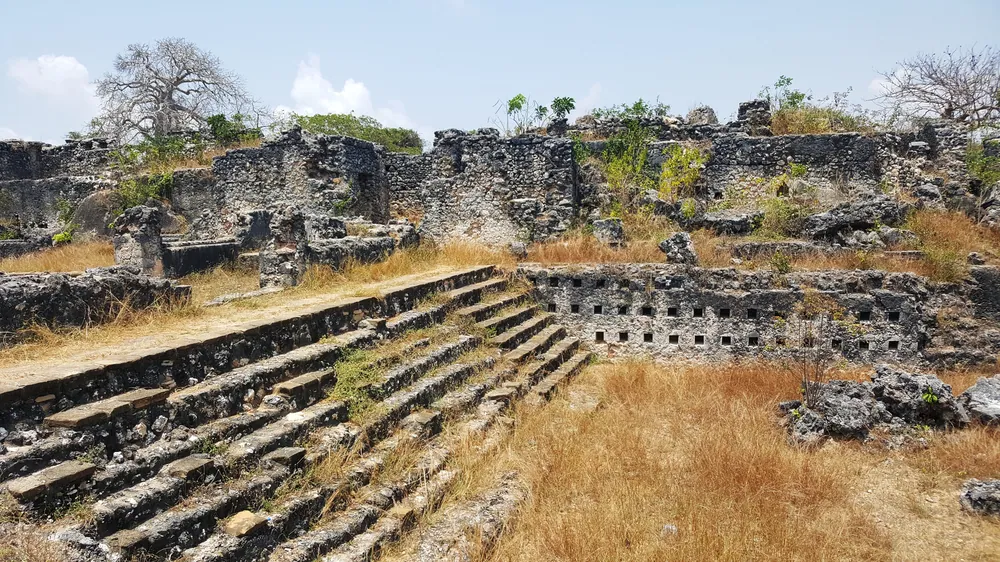
In the thirteenth century Kilwa took control of the gold trade from Sofala, in present-day Mozambique, through which gold from the Zimbabwean plateau reached the ocean. With that wealth it minted its own coins, built the domed Great Mosque and the palace of Husuni Kubwa, and in 1331 received the Moroccan traveller Ibn Battuta, who called it one of the most beautiful cities in the world. The ruins are a World Heritage Site; the full story is on the Kilwa guide.
Who the Swahili were
Colonial-era scholars assumed the coastal towns were Arab or Persian colonies. Archaeology, language and the towns' own buildings now point the other way: these were African towns that took in traders and settlers from across the ocean, and adopted Islam and much else from them.
The language shows it. Kiswahili is a Bantu language, African in its grammar, which borrowed many words from Arabic and also from Persian, Portuguese and Hindustani. Its name comes from the Arabic for "of the coasts". The oldest Swahili documents known are letters written at Kilwa in 1711, in Arabic script. How the standard language grew from the dialect of Zanzibar is told on the Stone Town guide.
A 2023 study of ancient DNA from burials of elite townspeople, dated between about 1250 and 1800, found the same mix: their mothers' ancestry almost entirely African, and much of their fathers' ancestry Persian and Indian.
The end of the golden age
By 1500 Kilwa was weakened by quarrels among its rulers, and its sultans no longer held much beyond the town itself. The Portuguese reached the coast in 1498, and in 1505 a Portuguese fleet sacked Kilwa. What followed, two centuries of Portuguese and then Omani power, belongs to the next period.
- What is the Swahili coast?
- The coast and islands of East Africa, from southern Somalia to northern Mozambique, where Swahili-speaking trading towns grew from about the eighth century. In Tanzania it includes Kilwa, Kaole near Bagamoyo, Tongoni near Tanga, Mafia, and the islands of Zanzibar and Pemba.
- Where was Rhapta?
- Nobody knows. The first-century Periplus of the Erythraean Sea describes it as the last trading town of the coast; suggested sites include the Pangani river mouth, the Dar es Salaam area and the Rufiji delta.
- Is Swahili an Arabic language?
- No. Kiswahili is a Bantu language, African in its grammar, that borrowed many words from Arabic and other languages of the Indian Ocean. Its name comes from the Arabic for 'of the coasts'.
- Why was Kilwa so rich?
- In the thirteenth century it took control of the gold trade from Sofala, in present-day Mozambique, through which gold from the Zimbabwean plateau reached the Indian Ocean. It minted its own coins and built the Great Mosque and the palace of Husuni Kubwa.
Last reviewed 3 October 2026
Edited by Kabeer Dalvi
Checked against
- RhaptaWikipedia
- Swahili coastWikipedia
- Kilwa SultanateWikipedia
- Swahili language — origins and earliest documentsWikipedia
- Swahili people — the 2023 ancient DNA studyWikipedia
- Ruins of Kilwa Kisiwani and Ruins of Songo MnaraUNESCO World Heritage Centre