Tarangire
National Park · TANAPA
Baobab country, and the largest elephant concentrations in the north.
- Area
- 2,850 km²
- Established
- 1970
- Region
- Manyara Region
- Best time
- July–October
Wildlife
- Elephant
- Lion
- Leopard
- Buffalo
- Fringe-eared oryx
- Gerenuk
- Kudu
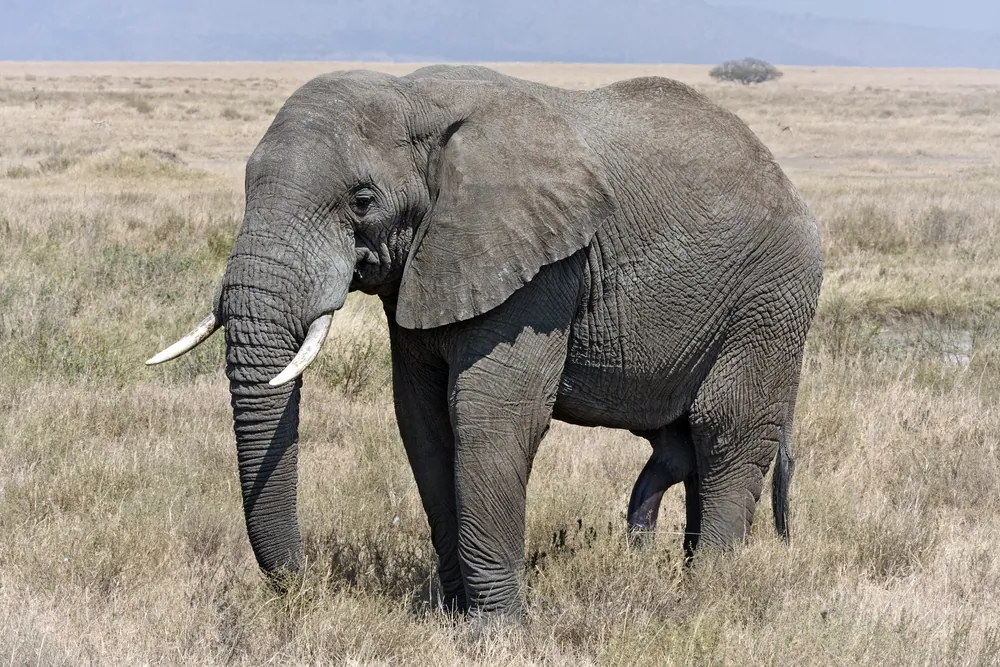
Tarangire is shaped entirely by one river. In the dry months it is the only permanent water for a great distance, and the animals of a much larger ecosystem — the Maasai Steppe, stretching well beyond the park boundary — come to it. The result, between roughly July and October, is one of the densest concentrations of elephant anywhere in East Africa.
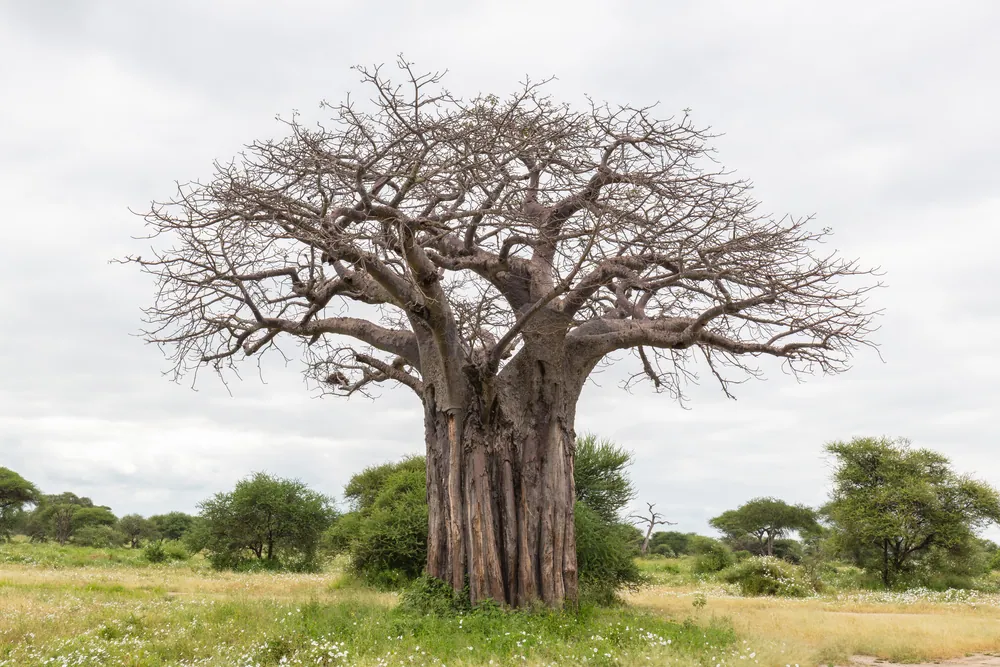
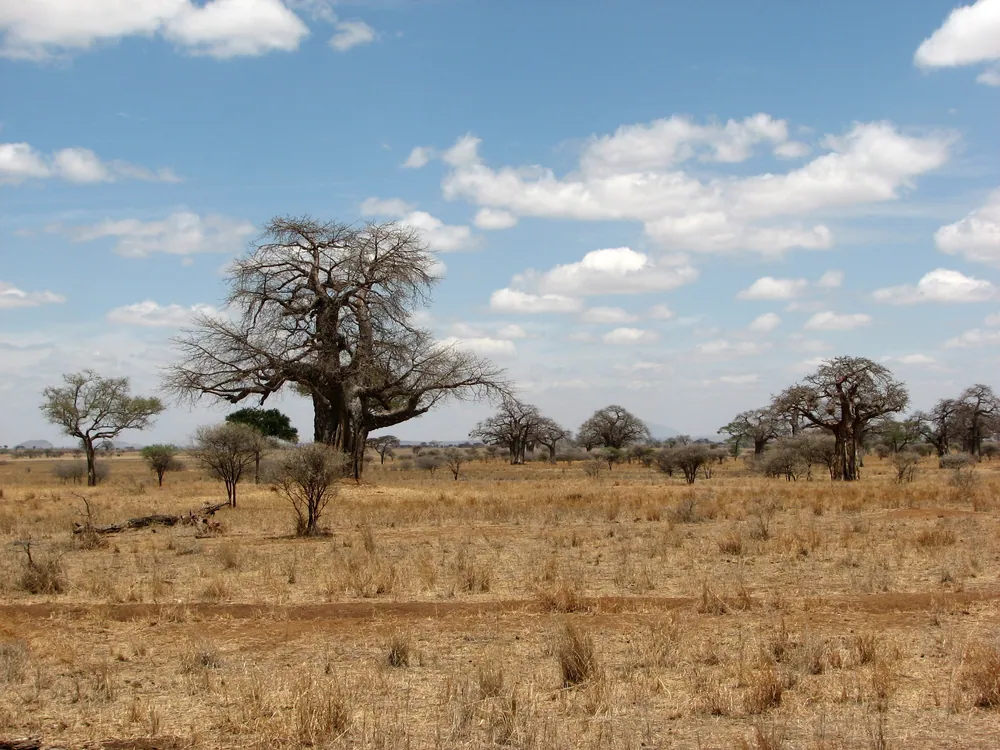
The landscape is unlike the Serengeti's: rolling, wooded, and full of baobabs, some of them a thousand years old and hollowed by elephants working at the fibrous trunks for moisture. Termite mounds stand everywhere, many colonised by dwarf mongoose.
Come in the wet season and the park is a different, quieter place. The herds disperse across the steppe, the grass is high and green, and the birding — Tarangire records well over five hundred species — is at its best. It is also nearly empty of vehicles.
The Tarangire River
Dry-season lifeline. Sit still near it in the late afternoon and the park comes to you.
Ancient baobabs
Some over a thousand years old, and bearing elephant tusk marks.
Tree-climbing pythons
Unusual, genuinely present, and rarely spotted without a guide who knows where to look.
Silale swamp
In the south, holding water and buffalo when everywhere else has dried.
About two hours by road from Arusha — the closest of the northern circuit's big parks.
No positioning charge — the vehicle is already based nearby.
Checked against