The Portuguese and the Omanis
How Portuguese ships forced the Swahili towns to pay tribute and sacked Kilwa, how Oman drove them out a century later, and how the Omanis built the power on Zanzibar that their sultan made his capital in 1840.
Edited by Kabeer Dalvi · Updated 3 October 2026
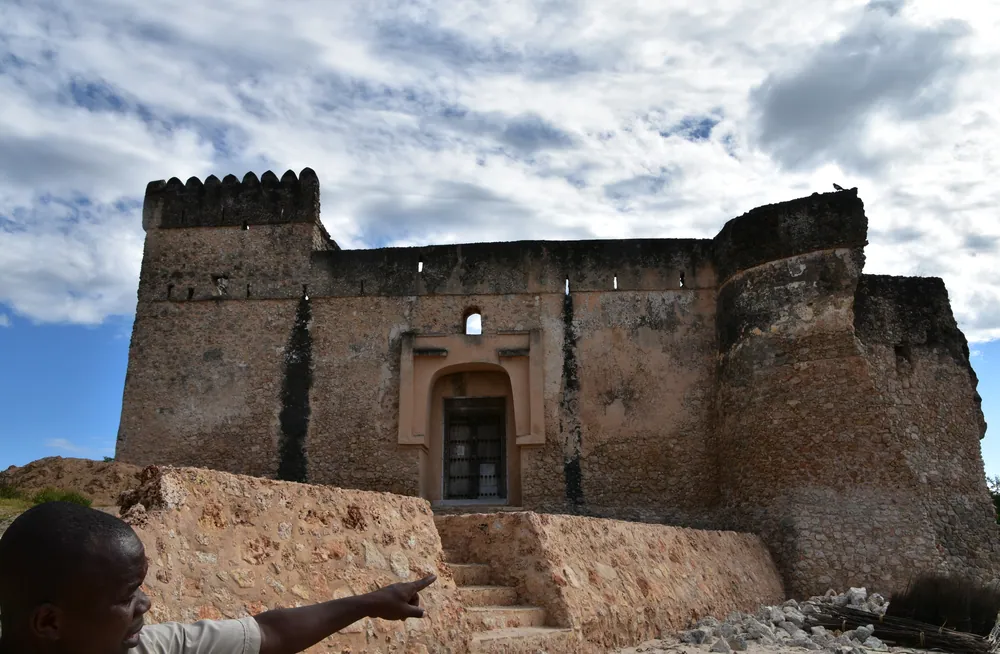
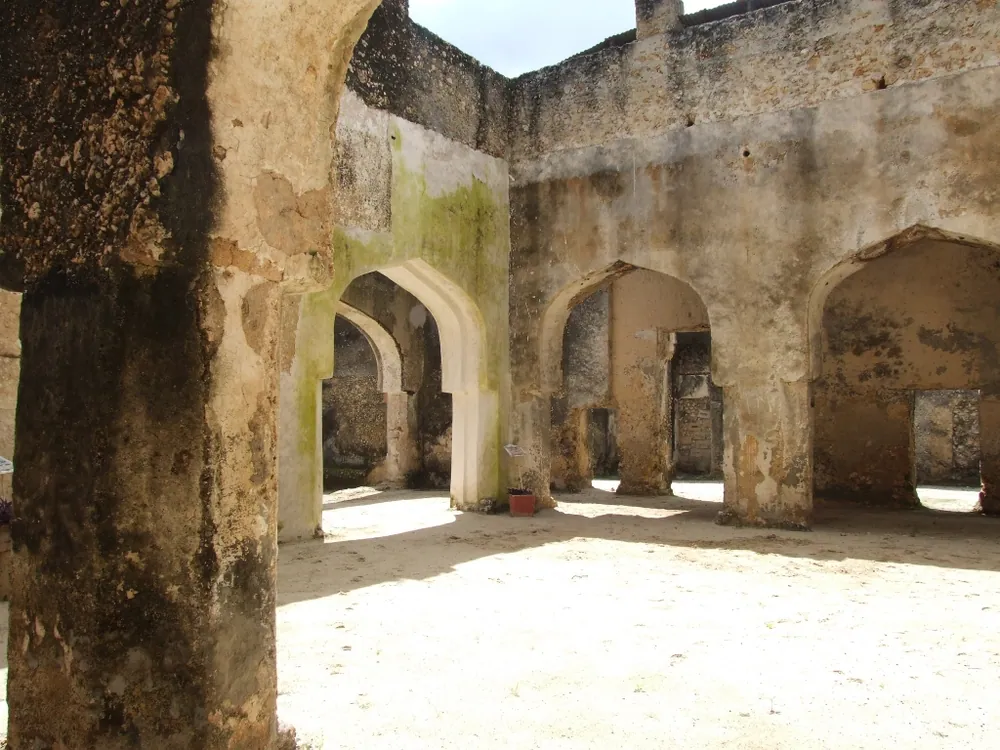
Gereza fort on Kilwa Kisiwani, built by the Omanis in the early eighteenth century on the ruins of a Portuguese fort.
- Portuguese ships reach the coast
- 1498
- Kilwa made to pay tribute to Portugal
- 1502
- Kilwa sacked by a Portuguese fleet
- July 1505
- Oman takes Fort Jesus; Portugal loses the coast north of the Ruvuma
- 1698
- Said bin Sultan moves his capital to Zanzibar
- 1840
Tribute at gunpoint
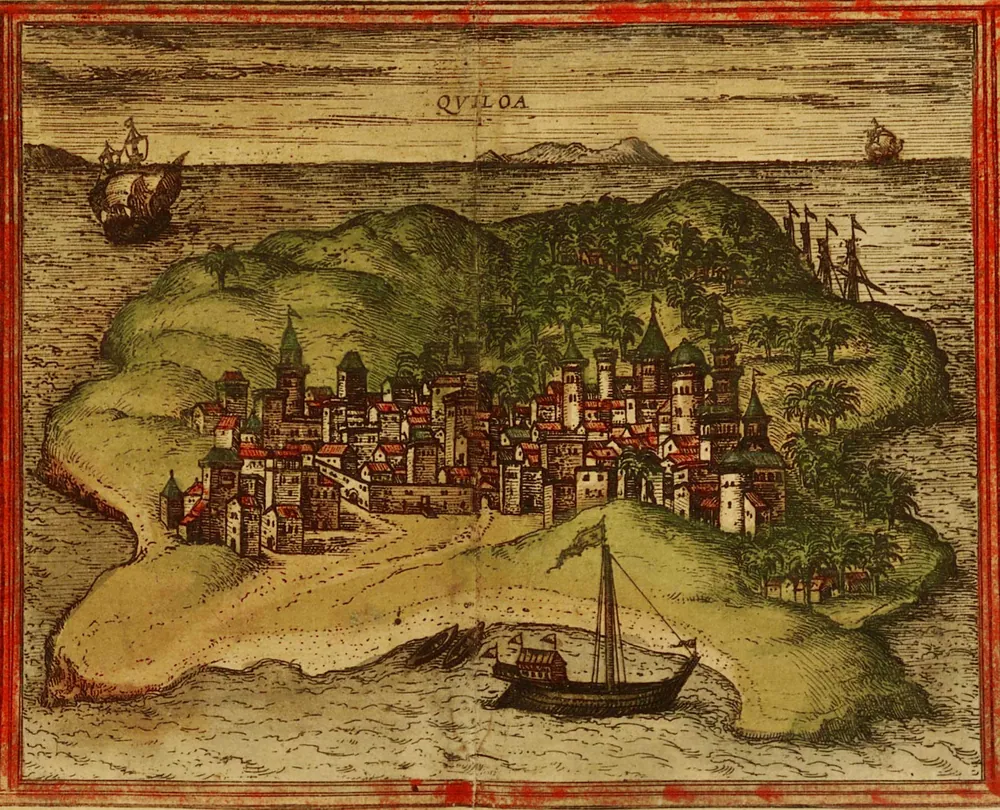
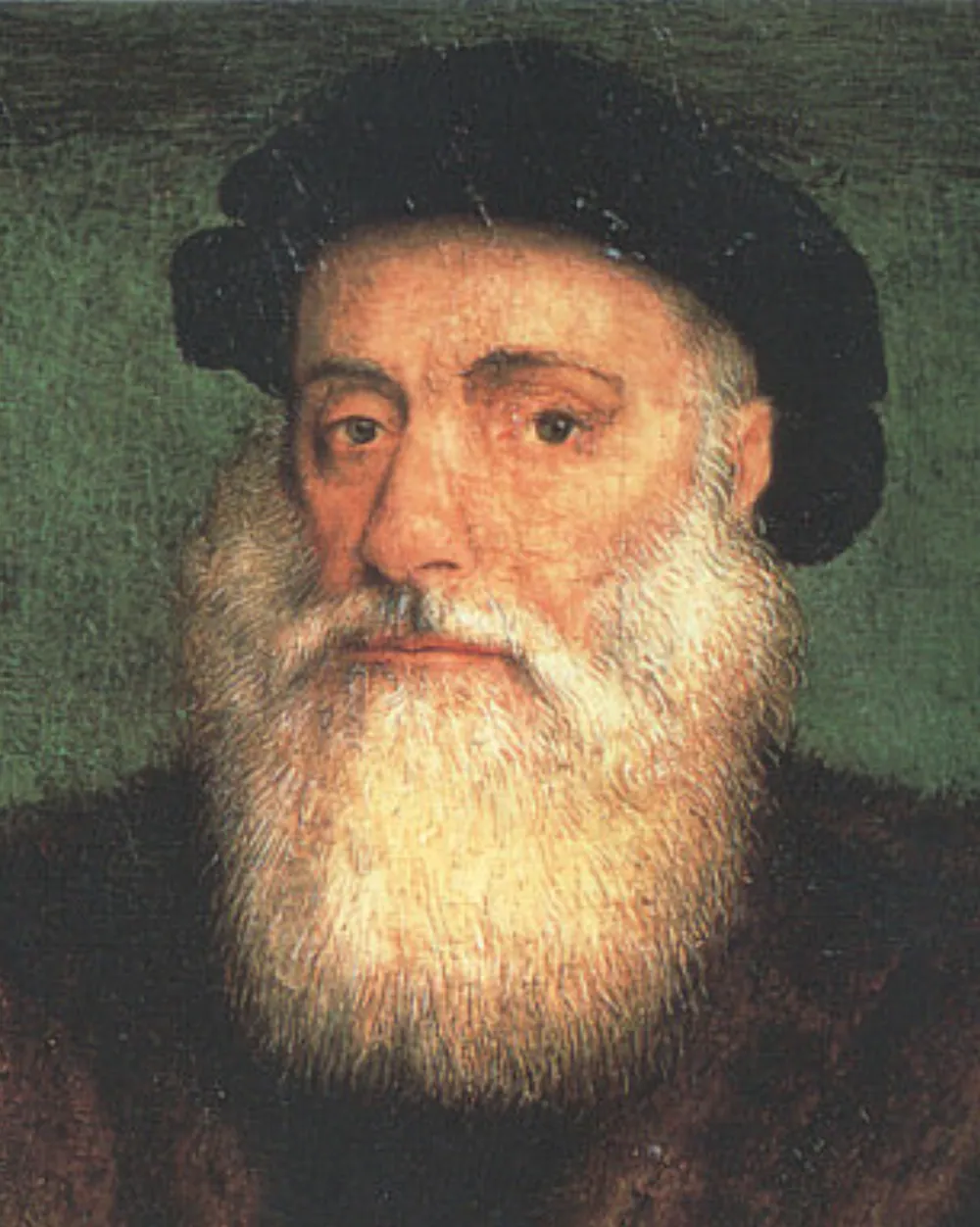
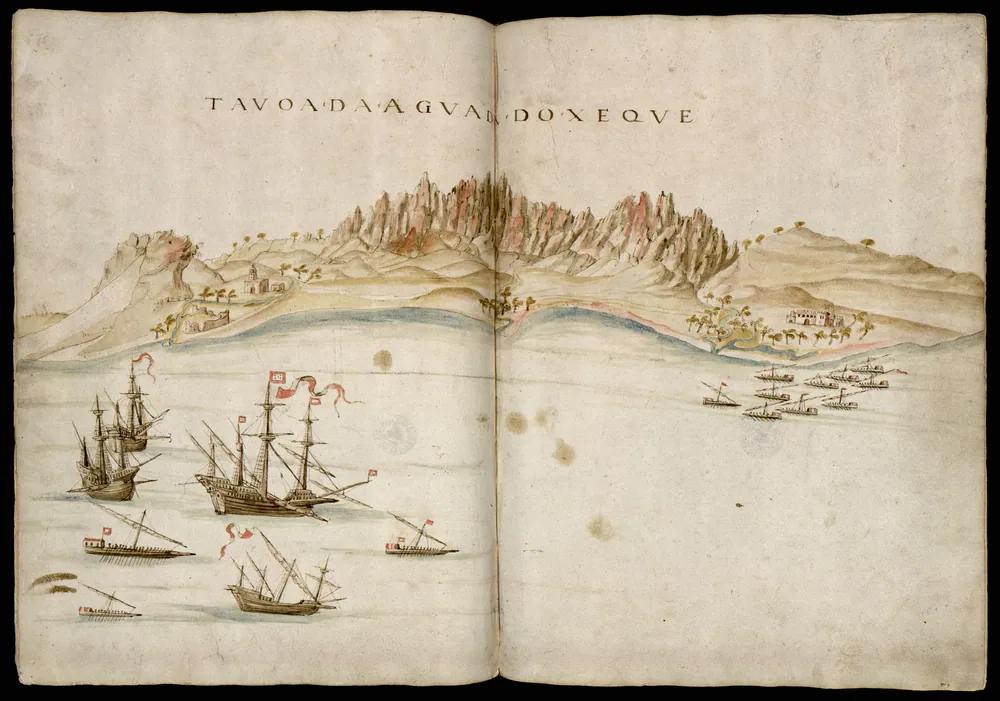
Portuguese ships first reached the East African coast in 1498, on Vasco da Gama's voyage to India. They came back armed. In July 1502 da Gama anchored his fleet off Kilwa, the richest town on the coast, and threatened to bombard it; its ruler, Emir Ibrahim, agreed to pay a yearly tribute in gold, and da Gama declared Kilwa a vassal of Portugal. In 1503 another Portuguese captain forced Zanzibar to pay tribute too.
Kilwa soon stopped paying. In July 1505 a fleet under Francisco de Almeida stormed and sacked the town and built a fort there. The Portuguese abandoned it around 1512, but Kilwa's trade never recovered; how the city looked at its height is described on The Swahili coast and the Kilwa guide.
A century of Portuguese power
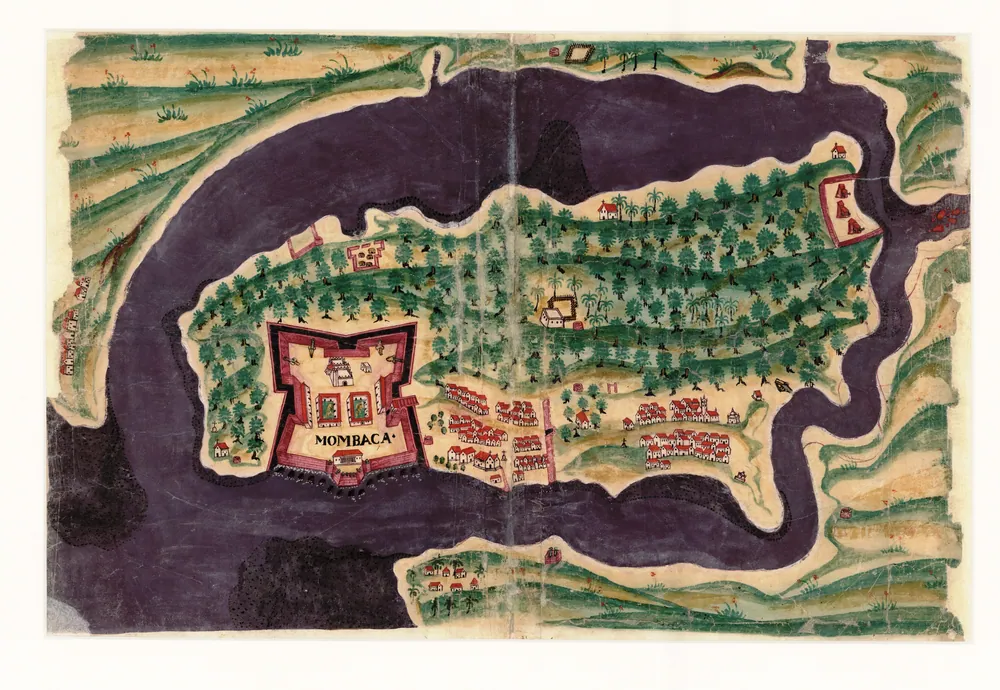
Portugal wanted the ocean's trade, not the land. It held the coast with warships, a few forts and the threat of attack, and took tribute from towns that kept their own rulers. Its stronghold was Fort Jesus at Mombasa, in present-day Kenya, built in 1593.
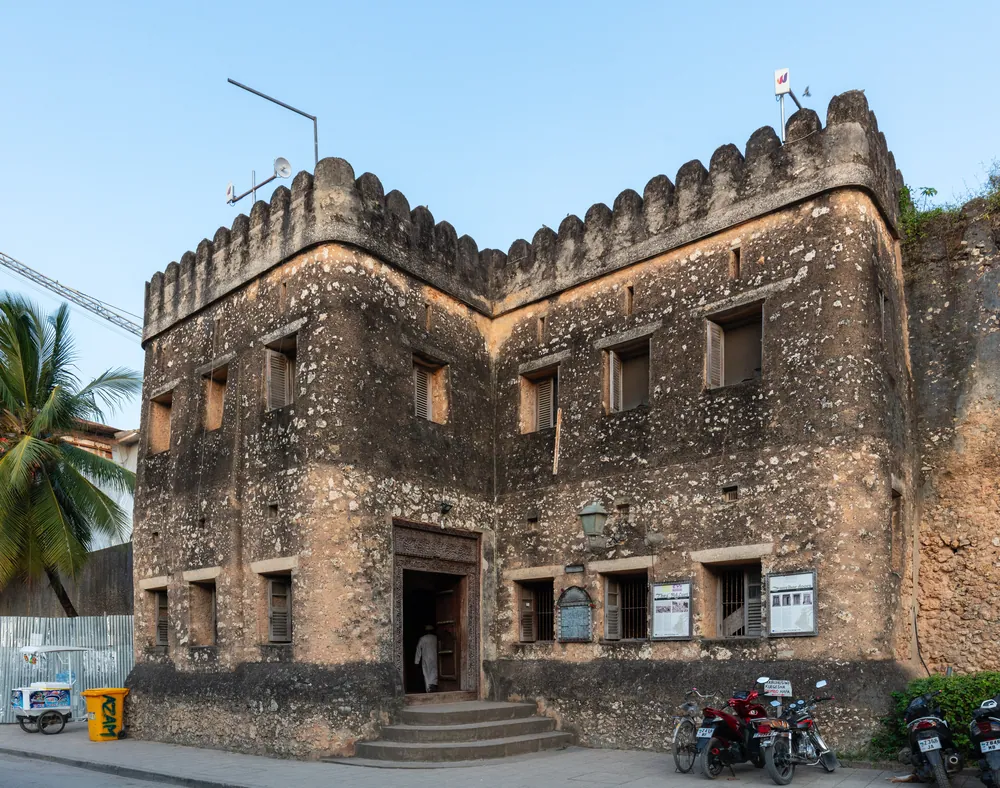
On Zanzibar the Portuguese presence was light; it left little beyond a chapel whose foundations now lie under the Old Fort in Stone Town.
Oman drives them out
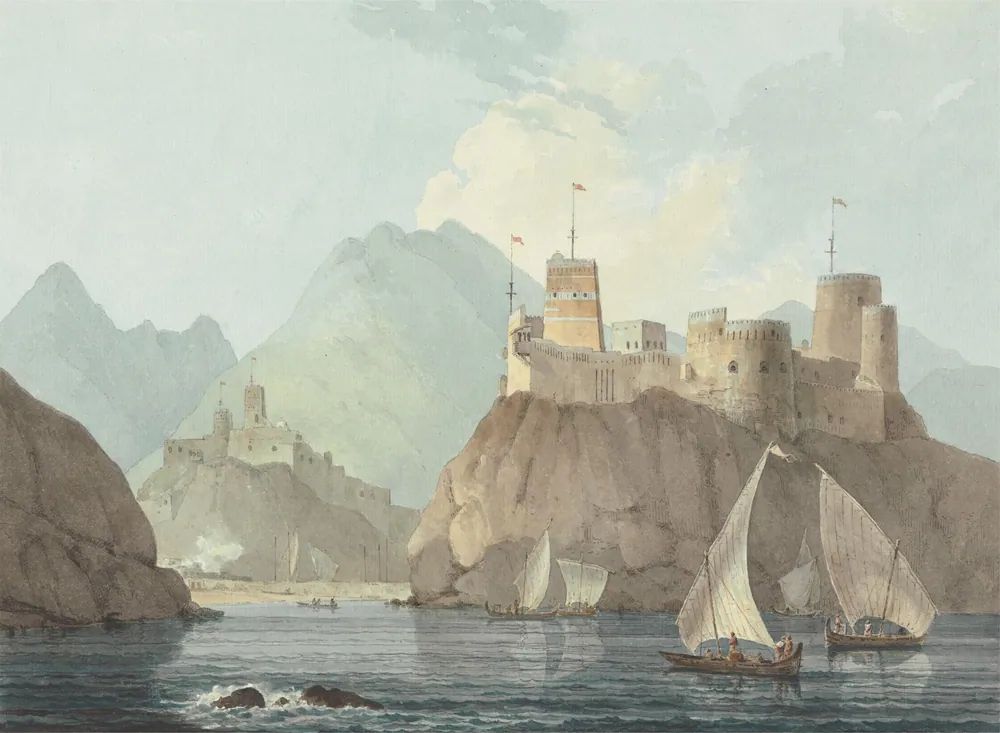
The Omanis expelled the Portuguese from Muscat in the middle of the seventeenth century and then turned south. In 1696 an Omani fleet besieged Fort Jesus. It fell after 33 months, in 1698, and with it Portugal lost everything on the coast north of the Ruvuma, the river that is still Tanzania's border with Mozambique.
The Omanis built in their turn: the Old Fort on the Stone Town waterfront, around 1700, on the site of the Portuguese chapel, and Gereza on Kilwa Kisiwani, on the ruins of the Portuguese fort.
The Omani coast
Through the eighteenth century Omani families settled on Zanzibar in growing numbers. In Oman itself the Busaidi dynasty took power around 1744; on the coast its main rivals were the Mazrui, the family that governed Mombasa and resisted Busaidi rule.
The trade in people grew. In 1776 the sultan of Kilwa signed a treaty with a French slave trader, Jean-Vincent Morice, to supply him with 1,000 enslaved people a year for French plantations on Mauritius and Réunion. Within a decade, in the 1780s, the Omanis took Kilwa too.
The Busaidi ruler Said bin Sultan spent more and more of his time on Zanzibar, where cloves were making the island rich, and in 1840 he moved his capital there from Muscat. That story, and the sultanate that followed, is told on Zanzibar: sultanate to revolution; what the Omani traders' caravans did inland is on The 1800s inland.
- When did the Portuguese come to Tanzania?
- Portuguese ships reached the East African coast in 1498. In 1502 Vasco da Gama forced Kilwa to pay tribute, in 1503 Zanzibar was made to pay too, and in 1505 a Portuguese fleet sacked Kilwa.
- How long did the Portuguese rule the Tanzanian coast?
- About two centuries, from the early 1500s until 1698, when the Omanis took Fort Jesus in Mombasa and the Portuguese lost the coast north of the Ruvuma river. Their hold was light: they took tribute, and towns kept their own rulers.
- Who built the Old Fort in Zanzibar?
- The Omanis, around 1700, after they had driven out the Portuguese. It stands on the site of a Portuguese chapel on the Stone Town waterfront.
- When did Zanzibar become the Omani capital?
- In 1840, when Sultan Said bin Sultan moved his capital from Muscat to Zanzibar.
Last reviewed 3 October 2026
Edited by Kabeer Dalvi
Checked against
- Portuguese conquest of the East African coastWikipedia
- 4th Portuguese India Armada (Gama, 1502)Wikipedia
- Sack of KilwaWikipedia
- Omani Empire — Fort Jesus and the Busaidi dynastyWikipedia
- Said bin SultanWikipedia
- Ngome Kongwe (the Old Fort)Archnet
- Al Jalali FortWikipedia
- Mtoni PalaceLonely Planet
- Un projet d'alliance entre Kilwa et la France contre l'expansionnisme omanaisAfriques (OpenEdition)