Saadani
National Park · TANAPA
Where the bush runs down to an Indian Ocean beach — the only national park in Tanzania on the sea.
Edited by Kabeer Dalvi
- Area
- 1,100 km²
- Established
- 2005
- Region
- Pwani and Tanga regions
- Best time
- June–September, January–February
Wildlife
- Elephant
- Lion
- Buffalo
- Giraffe
- Hippo
- Crocodile
- Waterbuck
- Lichtenstein's hartebeest
- Green turtle
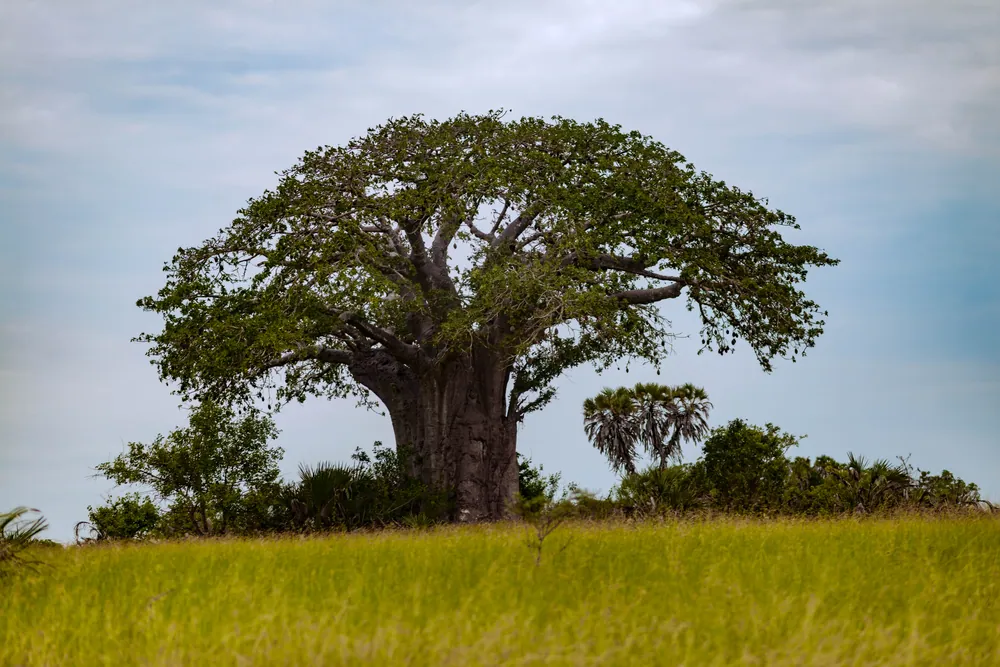
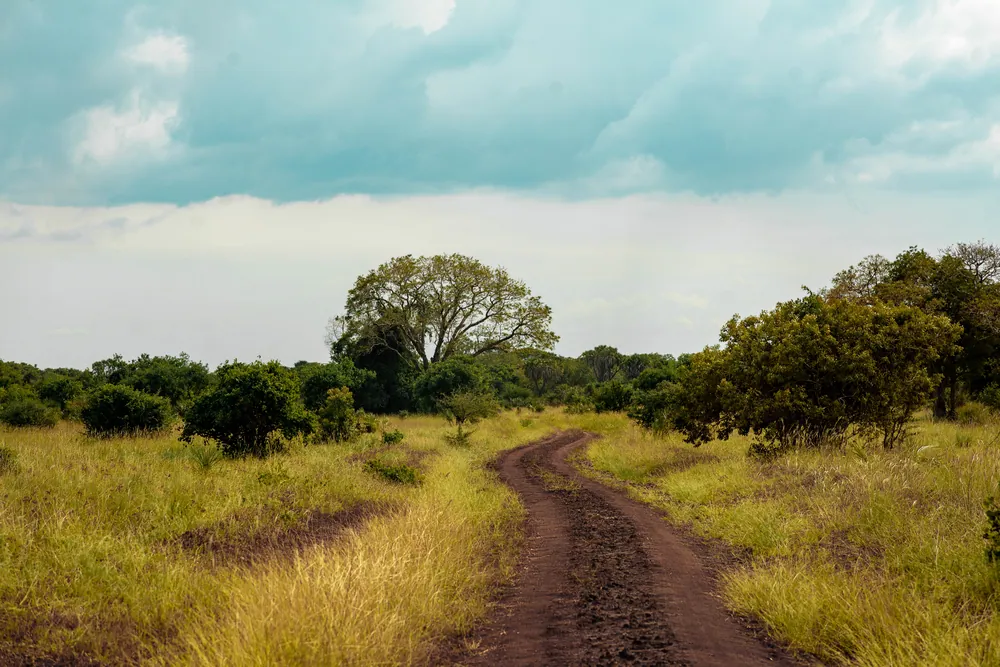
Saadani is the only one of Tanzania's national parks that reaches the sea. TANAPA's slogan for it is "where the bush meets the beach", and that is exactly what it is: grassland with palms and baobabs, coastal forest, mangrove along the Wami River, and then a long sandy shore on the Indian Ocean. It became a national park in 2005, built from an old game reserve and a former cattle ranch.
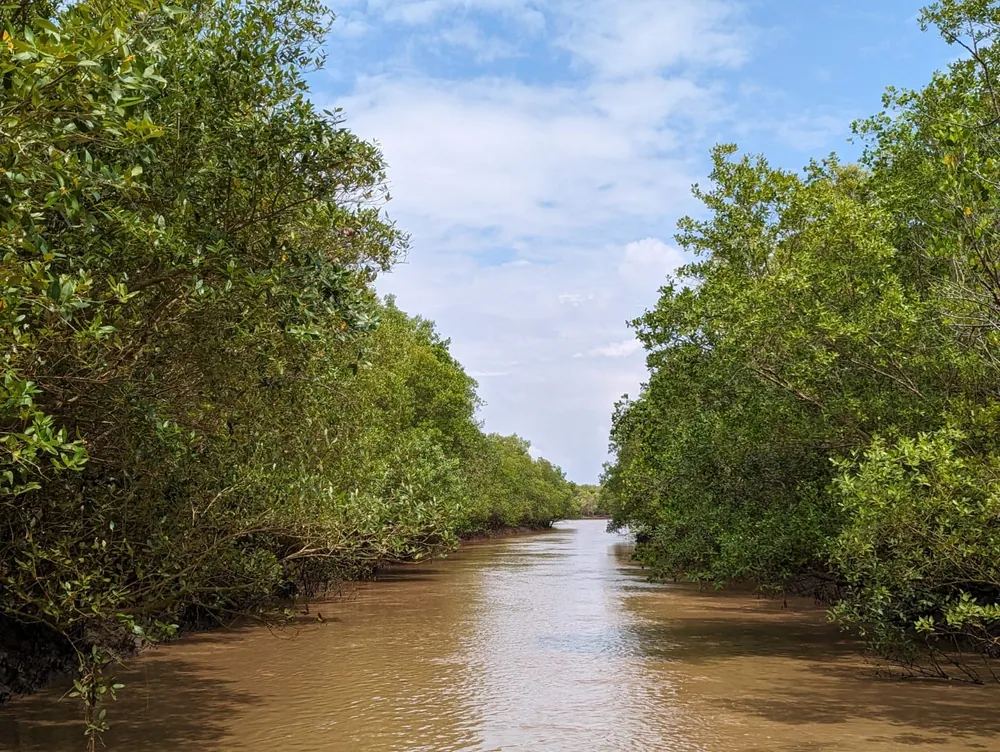
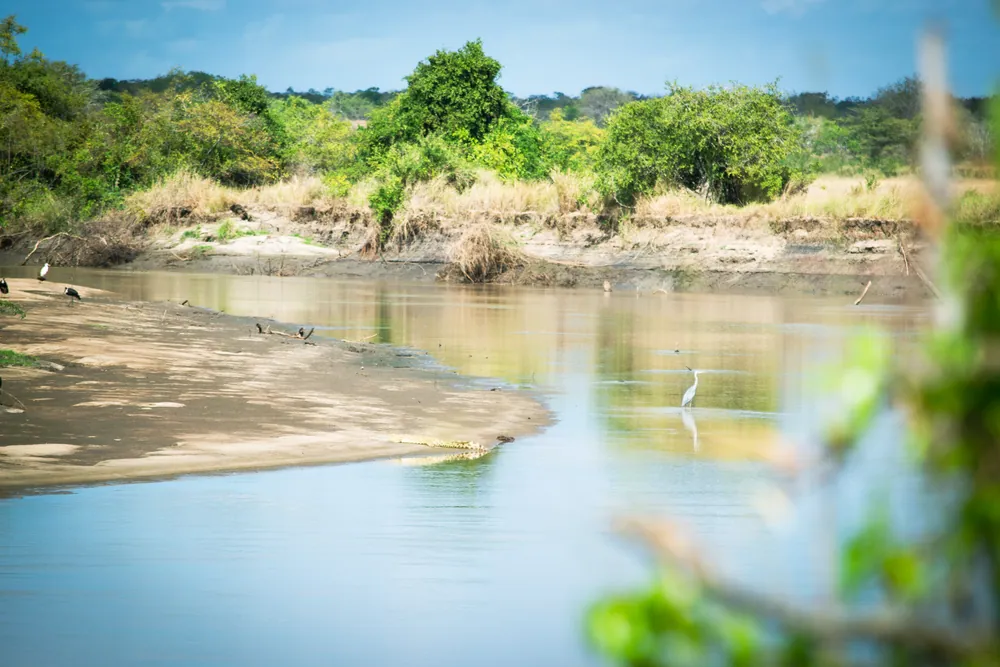
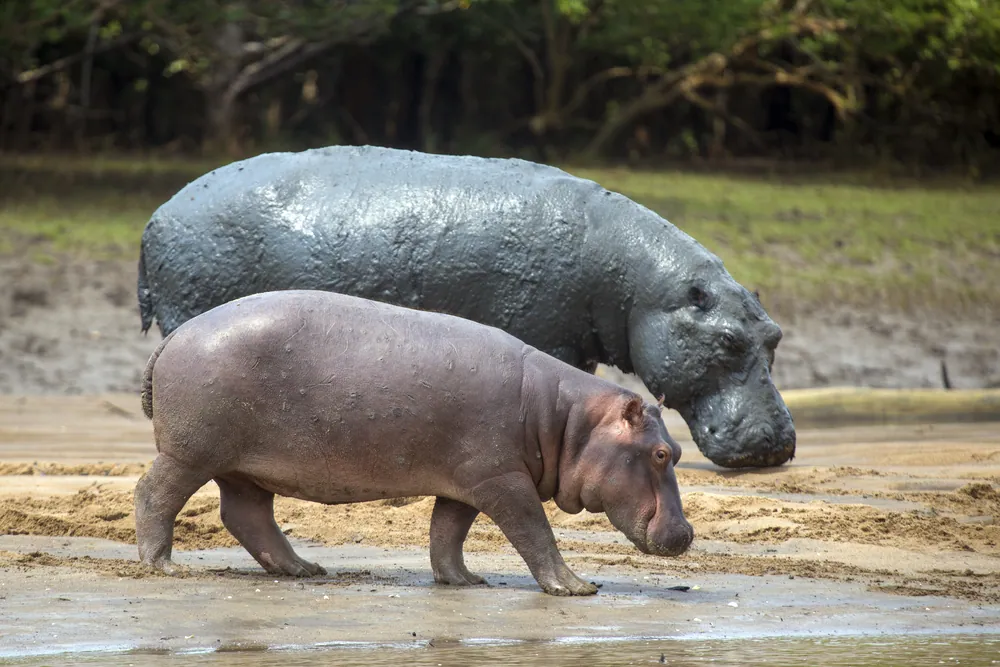
Boat trips on the Wami are the most reliable part of a visit, with hippo, crocodile and a lot of birdlife. Green turtles nest on Madete beach in the north of the park, the only nesting beach in TANAPA's system, and the coast has been part of the Swahili trading world for centuries; the ruins of a German fort still stand in Saadani village.
There are fewer animals here than in the big inland parks, and it is not the place for a first safari. What it offers is a short trip from Dar es Salaam, a beach at the end of the game drive, and a landscape shaped by fifty years of cattle ranching.
Wami River boat trip
Hippo, crocodile, mangrove and kingfishers, from the river mouth upstream.
Green turtles at Madete
TANAPA says they come ashore to nest between August and December.
Bush and beach together
The only park in Tanzania's national park system on the sea.
Saadani village
An old coastal trading village, with the ruins of a German boma.
By road from Dar es Salaam through Bagamoyo to Wami gate, about 131 km according to TANAPA, or from Tanga through Pangani to Madete gate, about 146 km. Charter flights land at the Saadani airstrip.
Saadani lies on the coast north of Dar es Salaam, between Bagamoyo and Pangani, across the border of Pwani and Tanga regions. TANAPA gives its area as 1,100 km²; other sources give 1,062 km². It is the only one of Tanzania's national parks with a sea shore. TANAPA goes further and calls it "the only wildlife sanctuary in East Africa that directly borders the sea", which is a big claim that we have not been able to check.
The park was put together from several pieces. The core is the old Saadani Game Reserve. To the north is the former Mkwaja Ranch, a cattle ranch for almost fifty years. To the south, the Wami River runs to the sea through mangrove, and inland is the Zaraninge Forest, a block of coastal forest.
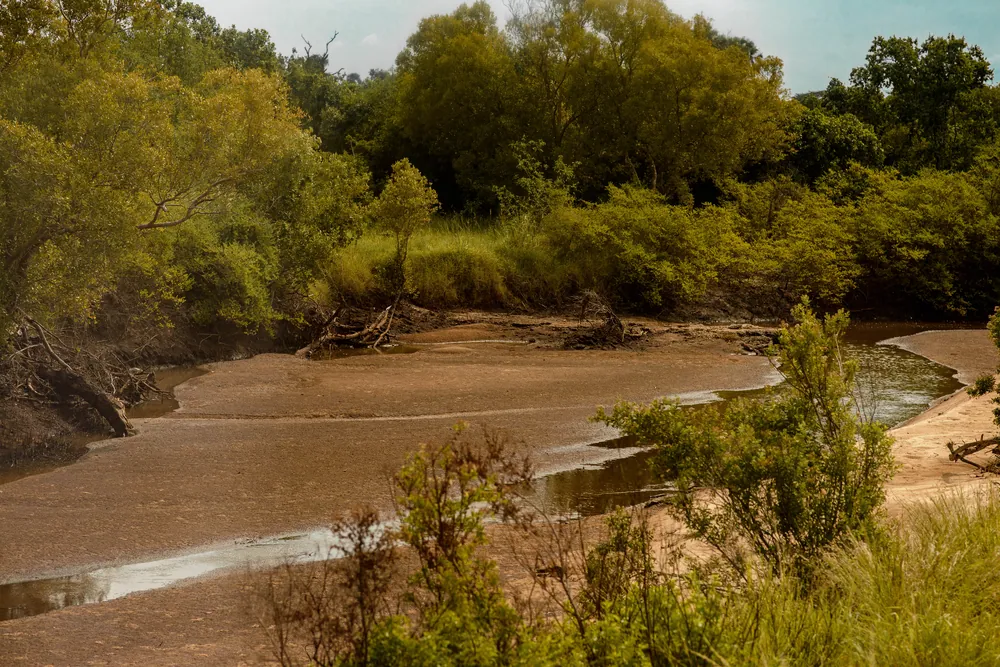
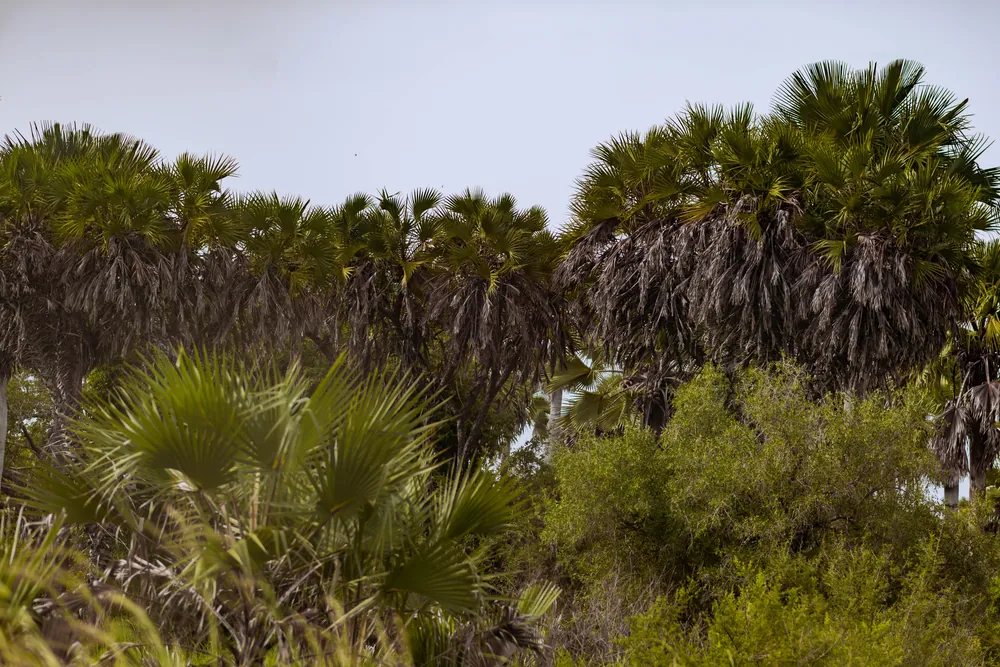
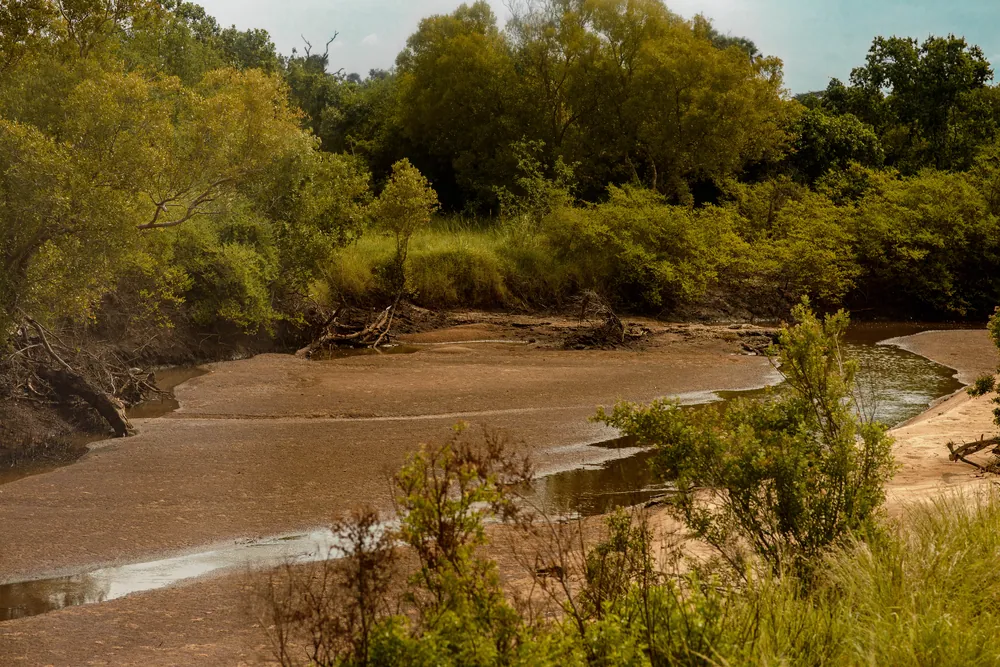
The country is mostly open grassland and bush, dotted with doum palms and baobabs, with thicket and forest in between. Along the coast there are beaches and mangrove creeks and, off the shore, the Mafui sandbank, which TANAPA describes as an island that appears in the morning and is gone by evening, and recommends for lunch and sunbathing.
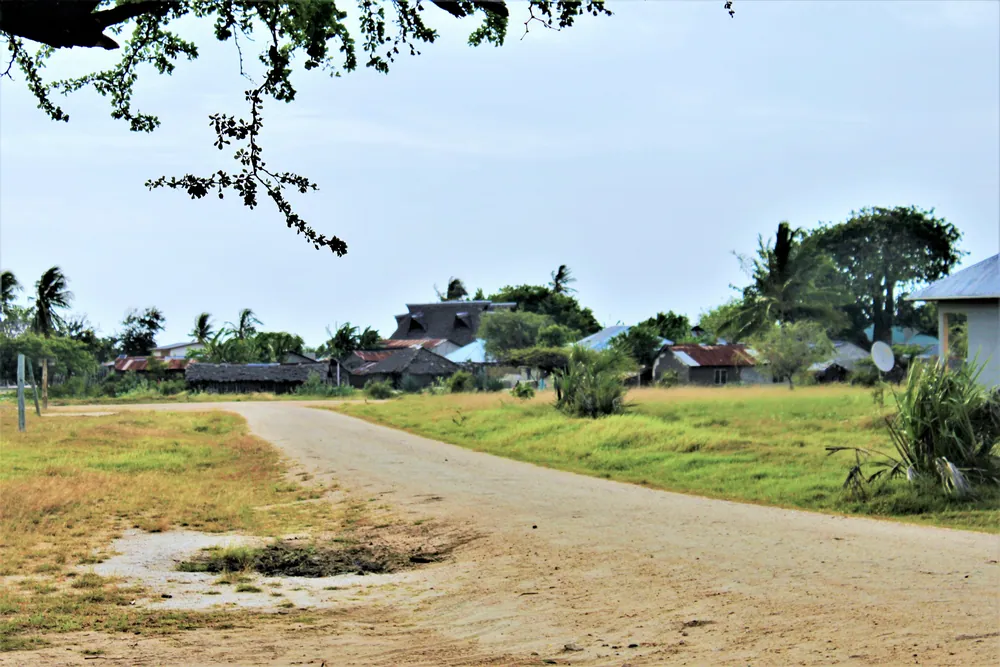
This coast was settled long before it was protected. The GTZ wildlife programme, which helped set up the park, described it as "a landscape with a history of human settlement dating back a thousand years". TANAPA's brochure says Saadani lies between Bagamoyo, Pangani and Zanzibar, towns that were once markets for the slave trade.
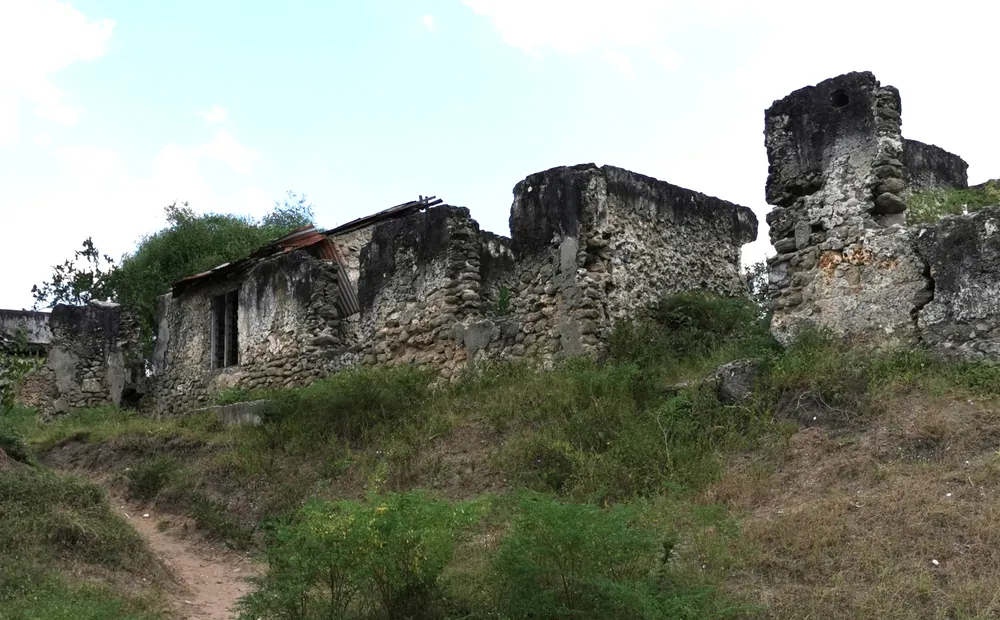
In 1888–90 the coast rose against the German East Africa Company. One of the leaders in the north was Bwana Heri, a former trader who ruled the Saadani district. He drove back a German force in December 1889 and gave in only after further attacks in early 1890. The Germans later built a boma, a fortified post, in Saadani village. Its stone ruins still stand by the river.
The protected area began with the villagers themselves. According to the Legal and Human Rights Centre, leaders of Saadani village asked the then Director of Wildlife, in the 1960s, to help stop outsiders killing the animals. The Saadani Game Reserve that followed was run by the Wildlife Division and formally gazetted in 1974. Some sources give 1972 or the late 1960s.
Next door, the Swiss company Amboni started the Mkwaja Ranch in 1954 to supply meat to workers on its sisal estates. At its peak up to 13,000 cattle grazed the coastal grassland. The grazing let bush spread, which brought more tsetse fly and raised costs. The south of the ranch was sold in 1996 and the rest closed in 2000. From 1996 to 2004 Germany helped to rebuild the reserve, to add the ranch, and to turn both into a national park, which was gazetted in 2005.
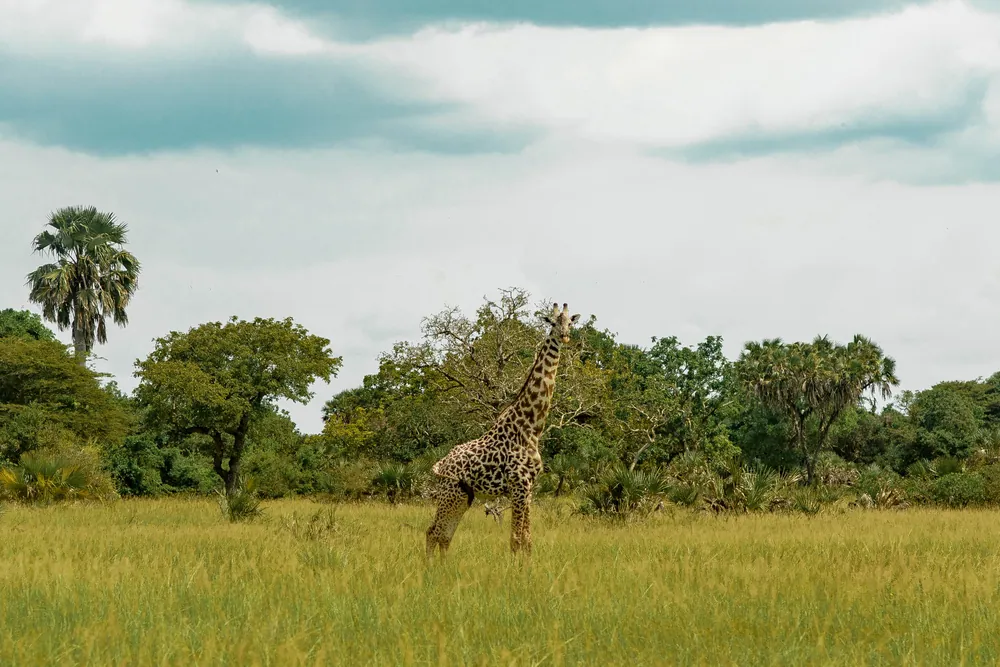
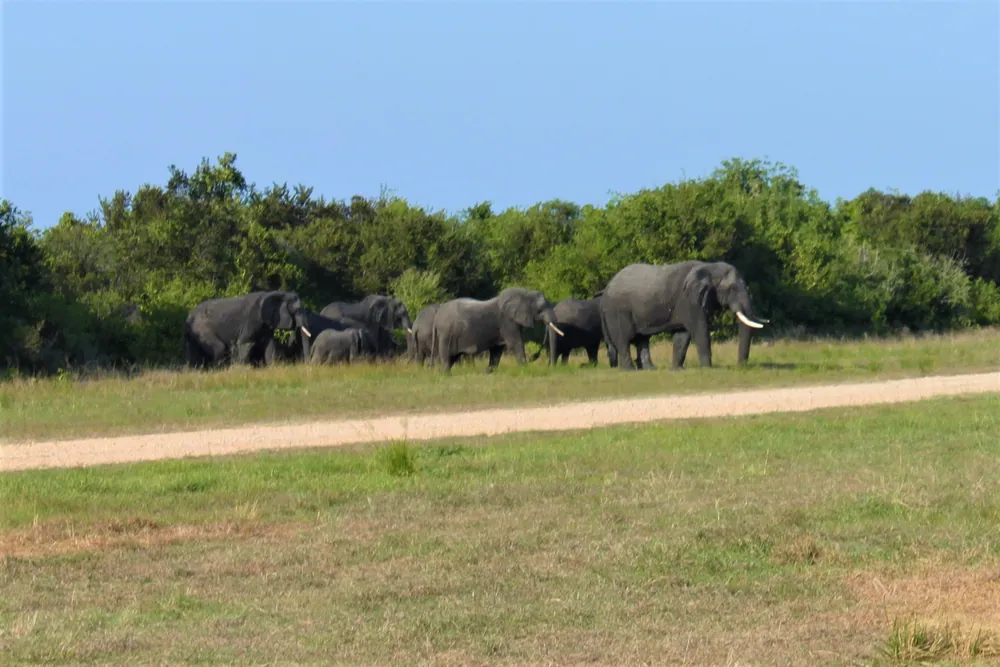
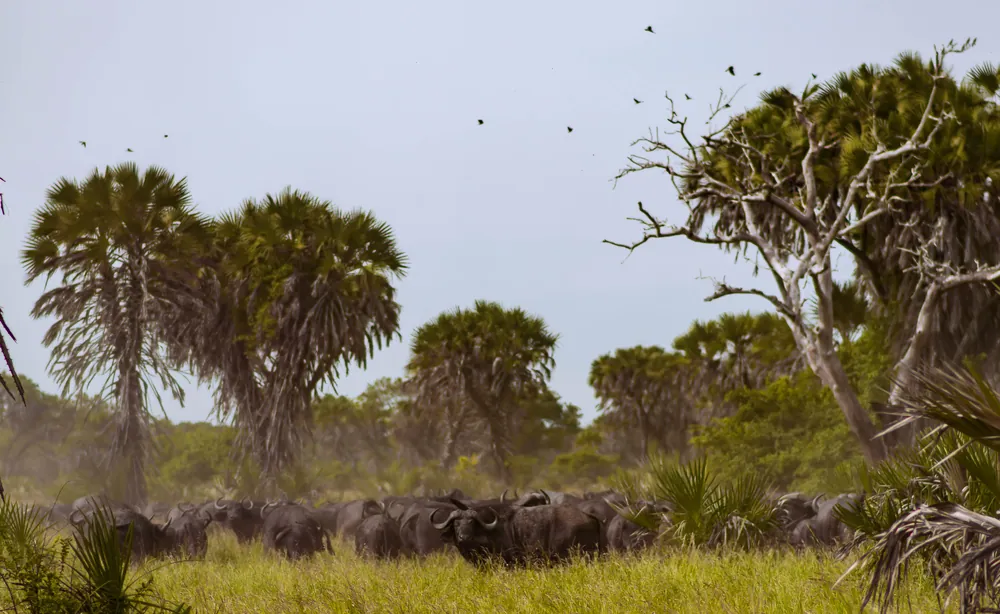
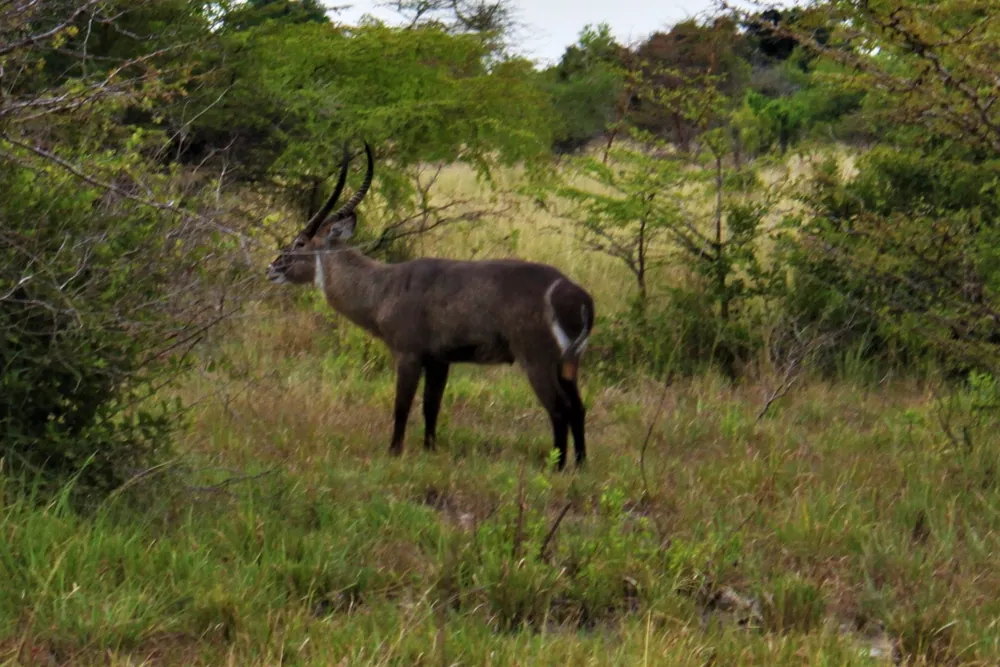
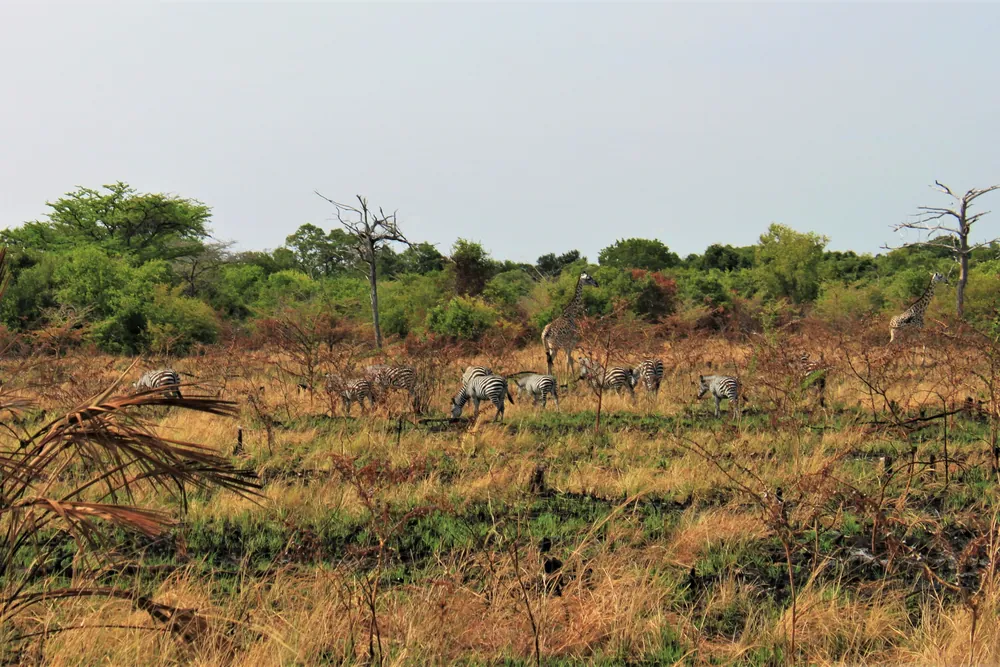
Saadani has four of the Big Five: elephant, buffalo, lion and leopard, but no rhino. There are giraffe, zebra, wildebeest, warthog, yellow baboon and vervet monkey. TANAPA says common waterbuck and bohor reedbuck are seen in good numbers, and names Lichtenstein's hartebeest and roan antelope among the less common antelope. Its welcome page also mentions Roosevelt's sable antelope. There are hippo and crocodile in the Wami.
There are fewer animals than in the big inland parks, and the reason is partly history. Between 2001 and 2003 the ecologist Anna Treydte walked transects across the new park. She found good numbers of animals in the old game reserve, some close to what the land could support. On the former ranch, where bush had closed in, she found few: mostly browsers such as duikers, bushbuck and giraffe, and warthogs using the old cattle pens. Her conclusion was that animals would come back to the ranch land only slowly.
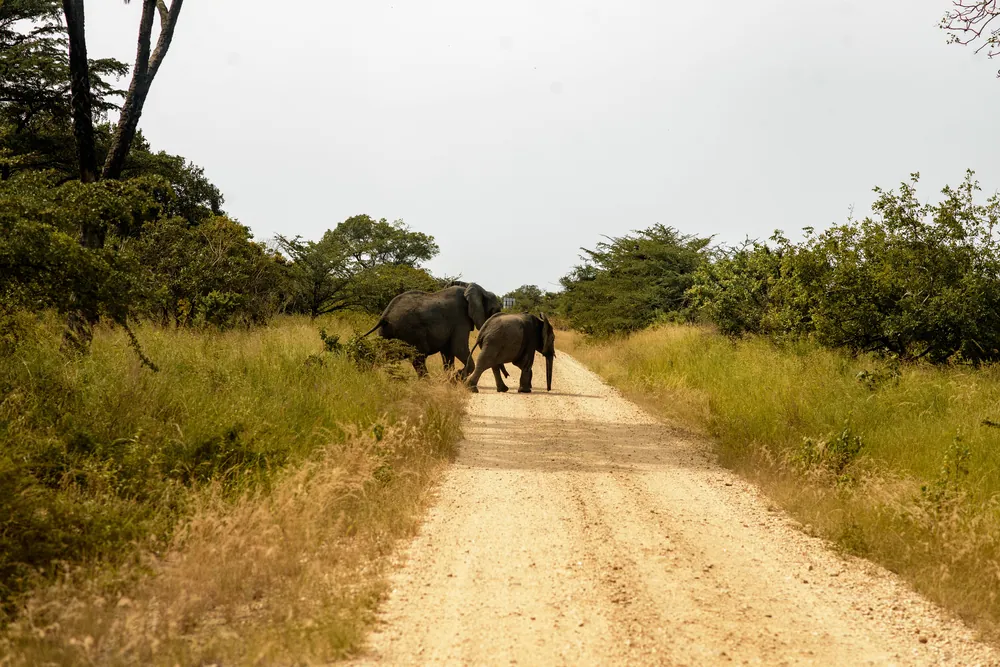
Elephants move between Saadani and the Wami-Mbiki wildlife area to the west. A 2014 study found three likely routes across the unprotected land in between. A 2022 study found that the land best suited to elephants in that corridor shrank by 22.4 per cent between 1998 and 2018, as forest cover fell.
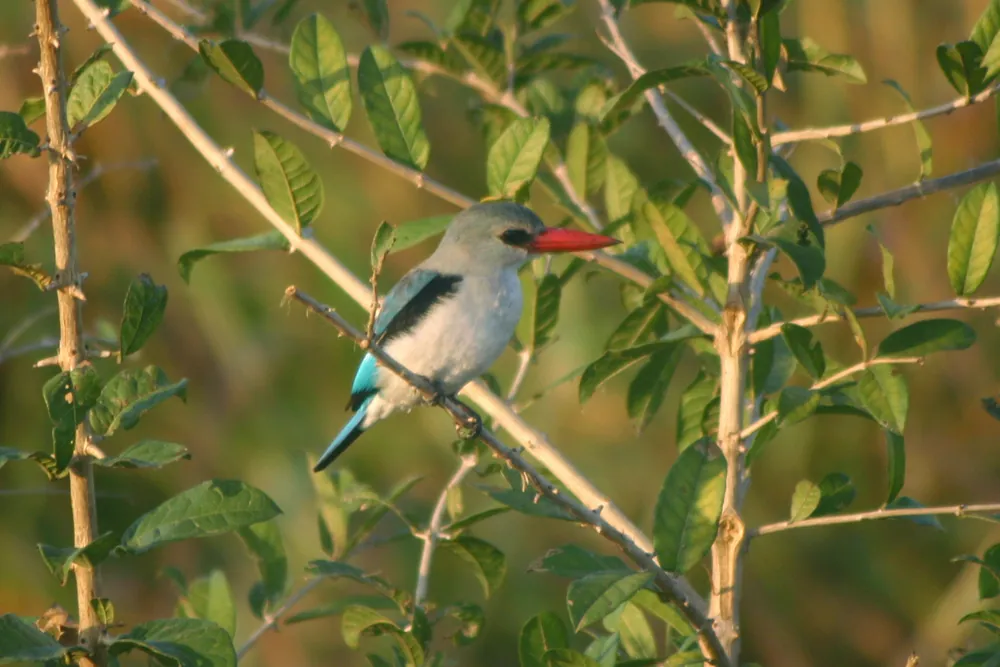
TANAPA counts more than 320 bird species, both sea and land birds. Among them are the mangrove kingfisher, terns, greater flamingo, yellow-billed stork, woolly-necked stork, African fish eagle and palm-nut vulture. It says the best time for birds is November to April, when migrants from Europe and North Africa are here.
The Wami rises in the Eastern Arc mountains of Morogoro Region and runs through the south of the park to the sea. A boat trip on the lower river is TANAPA's recommended way to see it: hippo, crocodile and waterbirds, with the mangrove changing to other trees as the water becomes less salty upstream. TANAPA also suggests watching for elephants coming down to the river early in the morning.
The mangroves along the river and the creeks are salt-tolerant forests that are flooded by the tide. They are home to fiddler crabs and prawns and to birds such as the mangrove kingfisher.
Madete beach, in the north of the park, is a nesting beach for green turtles. The green turtle is endangered, and TANAPA says Madete is the only place in its national parks where they breed. It says turtles come ashore to nest between August and December. The numbers are small. Tanzania's 2011 report to the Convention on Migratory Species estimated that only about 150 green turtles nest in the whole country each year, with the densest nesting on the islands of the Mafia archipelago. It listed Madete as a priority site for protecting nests, and noted that eggs had been taken from beaches at Saadani.
The park's coastal boundary is disputed. Saadani village says that its coastal hamlets, among them Uvinje, were left outside the old game reserve by agreement, and that the national park's boundary took them in without the village's consent. Researchers and campaign groups who support the villagers have published maps and documents that back this account.
In May 2017, Tanzania's Commission for Human Rights and Good Governance found that Uvinje "has never been part of the Saadani Game Reserve" and that including it in the park was unlawful. Later in 2017, a government committee with members from TANAPA and the Ministry of Natural Resources and Tourism found in favour of the park and ordered the villagers to leave within 28 days. This is according to a fact-finding report by the Legal and Human Rights Centre, a Tanzanian NGO, written in October 2017. At that time about 88 people lived in Uvinje.
We have not been able to find out what has happened since.
This section rests on the Legal and Human Rights Centre's 2017 report and on researchers and groups that support the villagers. We have not found a published statement of TANAPA's own case beyond the committee finding, and we do not know how the dispute stands today.
By road, TANAPA gives four routes. From Dar es Salaam through Bagamoyo to Wami gate is about 131 km. From Tanga through Pangani and Mkwaja to Madete gate is about 146 km. From Dar es Salaam through Chalinze and Miono to Mvave gate is about 225 km. Coming from Arusha, you turn off at Mkata, which TANAPA puts 79 km from Madete gate. By air, charter flights from Dar es Salaam, Zanzibar, Tanga or Arusha land at the Saadani airstrip. TANAPA also mentions hired boats from Zanzibar, Bagamoyo, Dar es Salaam and Tanga.
Fees. Saadani is in TANAPA's lower band, with one rate all year: USD 30 per non-East African adult per day, USD 10 for children aged 5 to 15, and TZS 5,000 for East African citizens. All are exclusive of 18 per cent VAT, so USD 35.40 in practice. A boat safari costs USD 20, a walking safari USD 20 for up to four hours or USD 25 for longer, and a park guide USD 20 per group per day. Staying at a private lodge or camp inside the park adds a concession fee of USD 25 per night.
Staying. TANAPA runs its own cottages near the beach (USD 40 per person per night), tents (USD 30) and a rest house (USD 50), and a hostel that sleeps 76. There are public campsites (USD 30 per person per night) and special campsites (USD 50), where you bring everything yourself. There are also a few private lodges on the coast, and more places to stay outside the park.
Things to do besides game drives: the Wami boat trip, walking safaris in the morning or late afternoon, night game drives, birding, the beach and the Mafui sandbank, and visits to the villages around the park, including Saadani itself. Sport fishing is allowed with a permit (USD 25 a day).
When to go. The rains come in two seasons, with the long rains peaking from March to June and the short rains in October and November. TANAPA says the best times to visit are June to September and January to February, with daytime highs of up to about 29 °C.
Fees are from TANAPA's own 2023/24 tariff schedule, the most recent published, and are quoted exclusive of 18 per cent VAT. They may have risen since; confirm before budgeting.
- How do you get to Saadani National Park from Dar es Salaam?
- By road through Bagamoyo to Wami gate, about 131 km according to TANAPA, or through Chalinze and Miono to Mvave gate, about 225 km. Charter flights from Dar es Salaam, Zanzibar, Tanga and Arusha land at the Saadani airstrip.
- How much does it cost to enter Saadani?
- TANAPA's 2023/24 schedule sets USD 30 per non-East African adult per day, the same all year, exclusive of 18 per cent VAT: USD 35.40 in practice. Children aged 5 to 15 pay USD 10. A boat safari is USD 20, and staying at a private lodge inside the park adds a concession fee of USD 25 per night.
- What animals can you see in Saadani?
- Elephant, buffalo, lion and leopard (there are no rhino), plus giraffe, zebra, wildebeest, waterbuck, bohor reedbuck, warthog, baboon and vervet monkey. Hippo and crocodile live in the Wami River. TANAPA counts more than 320 bird species. There are fewer animals than in the big inland parks.
- When do turtles nest at Saadani?
- TANAPA says green turtles come ashore to nest on Madete beach, in the north of the park, between August and December. Numbers are small: only about 150 green turtles are thought to nest in the whole of Tanzania each year.
- Can you swim at Saadani?
- Yes. TANAPA lists swimming and sunbathing on the park's beaches, and trips to the Mafui sandbank, which TANAPA describes as an island that appears by day. Ask at the gate or your lodge which stretches are safe.
- When is the best time to visit Saadani?
- TANAPA recommends June to September and January to February. The long rains peak from March to June and the short rains fall in October and November. For birds, November to April is best, when migrants from Europe and North Africa are here.
- Can you stay inside Saadani National Park?
- Yes. TANAPA runs cottages near the beach, tents, a rest house and a hostel for groups, and there are public and special campsites. A few private lodges are on the coast, and there are more places to stay outside the park.
Edited by Kabeer Dalvi
Checked against
- Saadani National Park — official pageTANAPA
- Tanzania National Parks Tariffs 2023/2024 — schedule to GN No. 490A of 2020TANAPA
- Saadani National Park — official park brochure (2025)TANAPA
- Ecosystem studies on the former Mkwaja Ranch and the new Saadani National Park between 2001 and 2004 (Tanzania Wildlife Discussion Paper 42)GTZ Wildlife Programme / Wildlife Division
- The impact of cattle ranching on large-scale vegetation patterns in a coastal savanna in Tanzania (2003)Journal of Applied Ecology
- Locating elephant corridors between Saadani National Park and the Wami-Mbiki Wildlife Management Area (2014)African Journal of Ecology
- Land use/cover change reduces elephant habitat suitability in the Wami Mbiki–Saadani wildlife corridor (2022)Land
- National report of the United Republic of Tanzania (2011) — marine turtlesConvention on Migratory Species
- 'Uvinje eviction saga': fact-finding mission report, Saadani National Park (October 2017)Legal and Human Rights Centre
- Abushiri revolt — Bwana Heri of SaadaniWikipedia
- Wami RiverWikipedia
- Saadani National Park — area, Big Five, climateWikipedia