Ugalla River
National Park · TANAPA
Miombo woodland along a river that floods and empties with the seasons.
Edited by Kabeer Dalvi
- Area
- 3,865 km²
- Established
- 2019
- Region
- Tabora Region
- Best time
- June–October
Wildlife
- Sable
- Roan
- Elephant
- Lion
- Wild dog
- Greater kudu
- Lichtenstein's hartebeest
- Sitatunga
- Crocodile
- Shoebill
Ugalla River became a national park in November 2019, covering 3,865 square kilometres of miombo woodland and grassland in Tabora Region, western Tanzania. It is named after the Ugalla River, which is the only permanent water in the park in the dry season. In the wet season the river spreads into pools, oxbow lakes and swamps, then shrinks back, and the animals follow it.
It is one of the few places in Tanzania where both sable and roan antelope live, and TANAPA lists elephant, lion, leopard, African wild dog, greater kudu and Lichtenstein's hartebeest. The wetlands hold shoebills and wattled cranes.
Tourism is new and small: game drives along the river, walking safaris, birdwatching and camping. The roads are open in the dry season only, from June to early November.
Sable and roan
Two of Africa's rarer large antelope, both present here.
Shoebill
In the swamps along the river, with wattled cranes and pygmy geese.
The Ugalla River
The park's only permanent water in the dry season.
Miombo at scale
The main woodland of central Africa, with flooded grassland along the river.
By road in the dry season (June to early November) from Tabora, 170 km, or from Kaliua or Urambo. Charter flights can use three airstrips inside the park in the dry season.
The park was gazetted by Government Notice 936 of 29 November 2019. It joined two older protected areas: the Ugalla North Game Reserve (1,811 km²) and the North Ugalla Forest Reserve (2,054 km²). The rest of the old Ugalla game reserve lies outside the park.
The Ugalla River flows slowly west in wide loops, with sandbanks, shallow pools, oxbow lakes and swamps. Beyond the park it runs into the swamps of the Moyowosi, and that water drains in the end into Lake Tanganyika. These wetlands, the Malagarasi-Muyovozi Ramsar Site, were Tanzania's first Ramsar site, a wetland of international importance, and Nature Tanzania counts Ugalla River National Park among the protected areas that make it up.
TANAPA's brochure describes two kinds of country: miombo woodland, including miombo on the hilltops, and Zambezian flooded grassland on the river's floodplain. Low termite mounds rise from the flat ground, and TANAPA says predators use them as lookouts.
Mammals. TANAPA's brochure lists elephant, sable and roan antelope, lion, leopard, African wild dog, topi, greater kudu, Lichtenstein's hartebeest, buffalo, eland, hyena, impala, jackal, oribi, bohor and common reedbuck, zebra and duiker. The swamp antelope sitatunga lives in the swamps to the west, and Cape clawless otters in the river.
Crocodiles. TANAPA says the river has some of the largest crocodiles recorded in Africa. We could not find a measurement to support that, so treat it as the park's own claim. It also says that in the wet season they feed mainly on catfish, and in the dry season they catch animals that come down to drink.
Birds. The wetlands hold shoebills, wattled cranes, African pygmy geese, blacksmith plovers, black-headed herons and many storks. In February 2025 Nature Tanzania counted 16 shoebills and 2 wattled cranes in a survey of the wider Ramsar site.
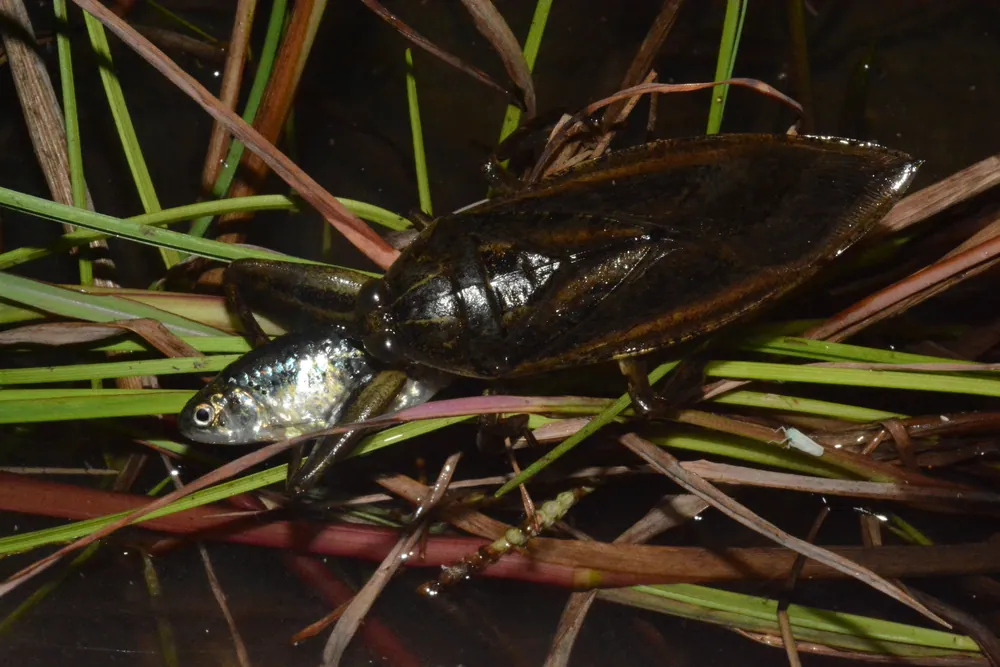
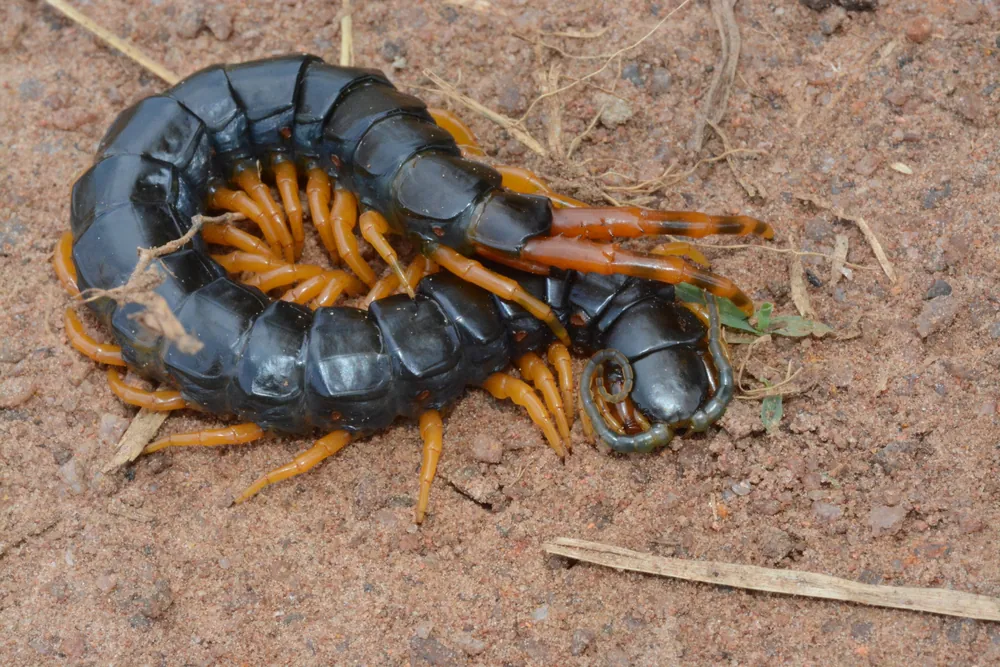
Game drives follow the river's loops, where most of the animals are in the dry season. Walking safaris go out early or late in the day, when it is cooler. There is birdwatching on the wetlands, camping by the river, and the fee schedule also lists cycling, hiking, night game drives and catch-and-release fishing.
History. TANAPA names a ritual site, Mfinula, at Ikunkwa, and two historical sites, Senga 11 and Ilyamchele, which matter to the communities around the park. It does not say more about them.
Staying. There are public and private campsites in the park, and TANAPA asks visitors to book ahead. Otherwise there are guest houses and lodges in Tabora and in the small town of Kaliua.
Getting there. The roads work only in the dry season, from June to early November. By road it is 170 km from Tabora, 45 km from Kaliua and 75 km from Urambo. By train, the Central Line to Kigoma stops at Usoke and Kaliua, and the Mpanda branch stops at Lumbe and Ugalla. By air, charter flights go to Tabora, Urambo or Kaliua, or to three airstrips inside the park, Muhuba, Siri and Kasense, which are also dry-season only.
Fees. Ugalla River has its own, lower band: USD 20 per non-East African adult per day and TZS 4,000 for East African citizens, all year, before 18 per cent VAT, so USD 23.60 in practice. The schedule lists USD 20 for children aged 5 to 15 as well. Other fees are also different here. Public camping is USD 30 per person per night, special or fly camping USD 50, a park guide USD 40 per group per day, a walk USD 20–25, cycling or hiking USD 20, a night game drive USD 100, and catch-and-release fishing USD 10 a day. A foreign-registered vehicle pays USD 50 a day (up to 2,000 kg).
When to go. The dry season, June to October. TANAPA's brochure gives rain from November to the end of May, 800 to 1,000 mm a year, heaviest in April and May. It gives daytime highs of 28 to 30 °C and night-time lows of 15 to 21 °C.
Fees are from TANAPA's own 2023/24 tariff schedule, the most recent it has published, and are quoted before 18 per cent VAT. They may have gone up since, so check them before you budget.
- Where is Ugalla River National Park?
- In Tabora Region, western Tanzania, about 170 km by road west of Tabora town and 45 km from Kaliua.
- When was Ugalla River National Park created?
- It was gazetted on 29 November 2019 (Government Notice 936). It joined the Ugalla North Game Reserve and the North Ugalla Forest Reserve, 3,865 km² in total.
- What animals live in Ugalla River National Park?
- Sable and roan antelope, elephant, lion, leopard, African wild dog, greater kudu, Lichtenstein's hartebeest, buffalo, eland, topi, sitatunga, hippo and crocodile. The wetlands hold shoebills and wattled cranes.
- Can you see shoebills at Ugalla?
- Yes, in the swamps along the river, but they are rare and hard to find. The park is part of the Malagarasi-Muyovozi wetlands, where a 2025 survey counted 16 shoebills.
- How do you get to Ugalla River National Park?
- Only in the dry season, June to early November. By road from Tabora (170 km), Kaliua (45 km) or Urambo (75 km); by train to Kaliua, Usoke, Lumbe or Ugalla station; or by charter flight to one of three airstrips in the park.
- How much does it cost to visit Ugalla River?
- TANAPA's 2023/24 schedule sets USD 20 per non-East African adult per day, before 18 per cent VAT, so USD 23.60 in practice. That is one of the lowest park fees in Tanzania. Camping is USD 30 per person per night and a park guide USD 40 per group per day.
- When is the best time to visit Ugalla?
- June to October, in the dry season. That is when the roads are open and the animals gather along the river. The rains run from November to May.
Edited by Kabeer Dalvi
Checked against
- Ugalla River National Park — official pageTANAPA
- Tanzania National Parks Tariffs 2023/2024 — schedule to GN No. 490A of 2020TANAPA
- Ugalla River National Park — official park brochureTANAPA
- Malagarasi-Muyovozi Ramsar Site: biodiversity jewel under threat (2025)Nature Tanzania
- Ugalla River National ParkWikipedia