Mwanza
Tanzania's second city, built among granite boulders on the southern shore of Lake Victoria — a fishing and gold town that most safari traffic passes over on its way to the western Serengeti.
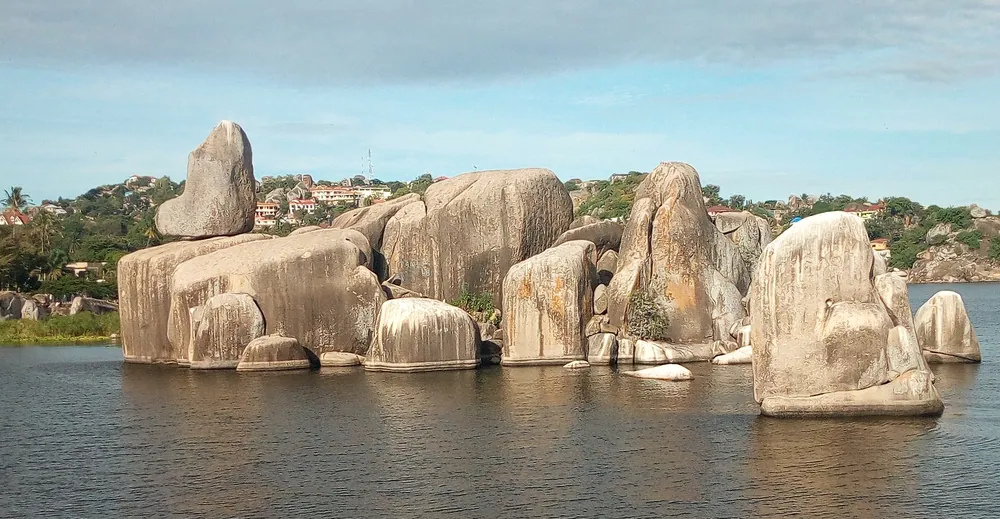
Granite standing in the lake. The balancing boulders along this shore are what earned Mwanza the name Rock City.
- Region
- Mwanza Region, on Lake Victoria
- Population
- 1,104,521 urban (2022 census)
- Rank
- Tanzania's second largest city
- Settled
- 1892; city status 2000
- Airport
- Mwanza Airport (MWZ)
A lake port that the railway made
Mwanza is a lake town rather than a coastal one, and that has shaped everything about it. The Germans established a station here in 1892, on a natural harbour in the Mwanza Gulf at the southern end of Lake Victoria — the largest lake in Africa and the second largest freshwater lake in the world, shared between Tanzania, Uganda and Kenya.
What made the town was the Central Railway. Once the line from Dar es Salaam reached Tabora and then pushed north to the lake, Mwanza became the transfer point between rail and water: cotton and produce from the interior going out, goods coming in, and steamers working across to Uganda and Kenya. British rule continued the pattern. The town became a municipality in 1978 and a city in 2000.
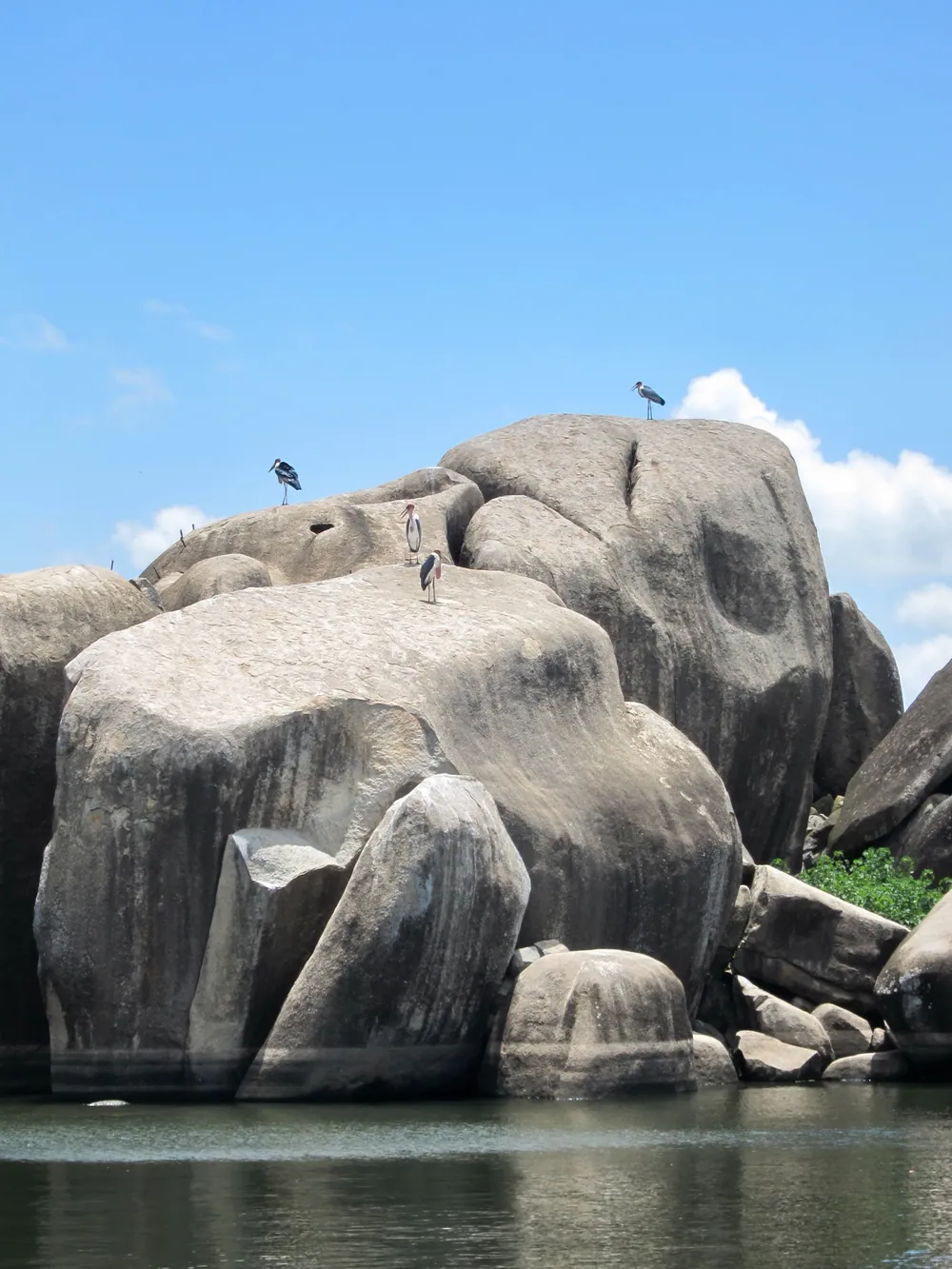
It is now the second largest city in the country, with an urban population of over 1.1 million at the 2022 census, and it feels quite different from Dar es Salaam or Arusha — inland, lake-facing, and built around and sometimes on top of enormous granite boulders left by the erosion of the Tanzanian shield. Bismarck Rock, balanced at the harbour's edge, is the city's emblem, and the nickname Rock City is used by everyone who lives here.
Nile perch, gold and cotton
What the region produces
- Nile perch
- Filleted and air-freighted to Europe
- Gold
- Major mines in the Lake Zone
- Cotton
- The historic crop of the Sukuma plains
- Rice & cassava
- The staple agriculture
- Transport
- Rail, lake ferries and the regional airport
The city runs on fish, and specifically on one fish that should not be here. Nile perch were introduced into Lake Victoria in the 1950s and 60s, grew to enormous size, and devastated the lake's endemic cichlid populations — several hundred species, many now extinct or surviving only in refuges. They also created an export industry: filleting plants along the shore process perch that is air-freighted to Europe overnight.
That trade has been argued over for decades. The documentary Darwin's Nightmare (2004) made the case that the export economy enriched few and left local communities eating the frames of fish whose fillets had flown to Europe; others have contested its framing. What is not in dispute is that the lake's ecology was transformed, and that a great many livelihoods now depend on the species that transformed it.
The other wealth is underground. The Lake Zone holds some of Tanzania's largest gold mines, and Mwanza is the service city for them — which is why the airport is busier and the hotels better than a visitor might expect. Cotton has been the region's cash crop since the colonial period, and rice, cassava and livestock sustain the countryside.
Sukuma country
The Sukuma are Tanzania's largest ethnic group and make up over ninety per cent of the population of Mwanza Region. They are farmers and cattle keepers of the plains south of the lake, and their cultural presence is strong enough that Kisukuma is heard constantly alongside Kiswahili.
Sukuma dance is the thing most worth seeking out, and it is genuinely competitive rather than performed for visitors: rival dance societies — the bagiika and bagalu — have contested each other for generations, including in the famously theatrical snake dance and the porcupine dance. The Bujora Cultural Centre outside the city, founded by a Canadian missionary who spent decades documenting Sukuma tradition, is a serious museum and the best introduction to it.
The city itself is unpretentious and busy: fish markets, mining supply, boat yards, and a waterfront that becomes the social centre in the evening. Very few foreign visitors stay here, which is part of the appeal — and Mwanza is the natural approach to the western Serengeti, roughly three hours away by road, which puts you at the Grumeti end of the migration without the northern-circuit traffic.
Towns, parks and places across Mwanza Region
Island
Ukerewe Island
The largest island in Lake Victoria, reached by ferry from Mwanza. Its main town is Nansio.
Landmark
JP Magufuli Bridge
Opened in June 2025 across the lake at Kigongo–Busisi: 3.2 km long, the longest bridge in East Africa, replacing a slow ferry on the road west.
Informational — none of this is ticketed by us
Landmark
Bismarck Rock
The balancing boulder at the harbour edge. A cliché worth the ten minutes.
National park
Saanane Island National Park
Tanzania's smallest national park, a ten-minute boat ride offshore. Walkable in an afternoon.
Museum
Bujora Cultural Centre
The Sukuma museum outside town — dance, royal drums, and a church built in Sukuma form.
Market
The fish market at Kirumba
Where the lake's catch is landed and traded. Early, loud and entirely unsanitised.
National park
Rubondo Island National Park
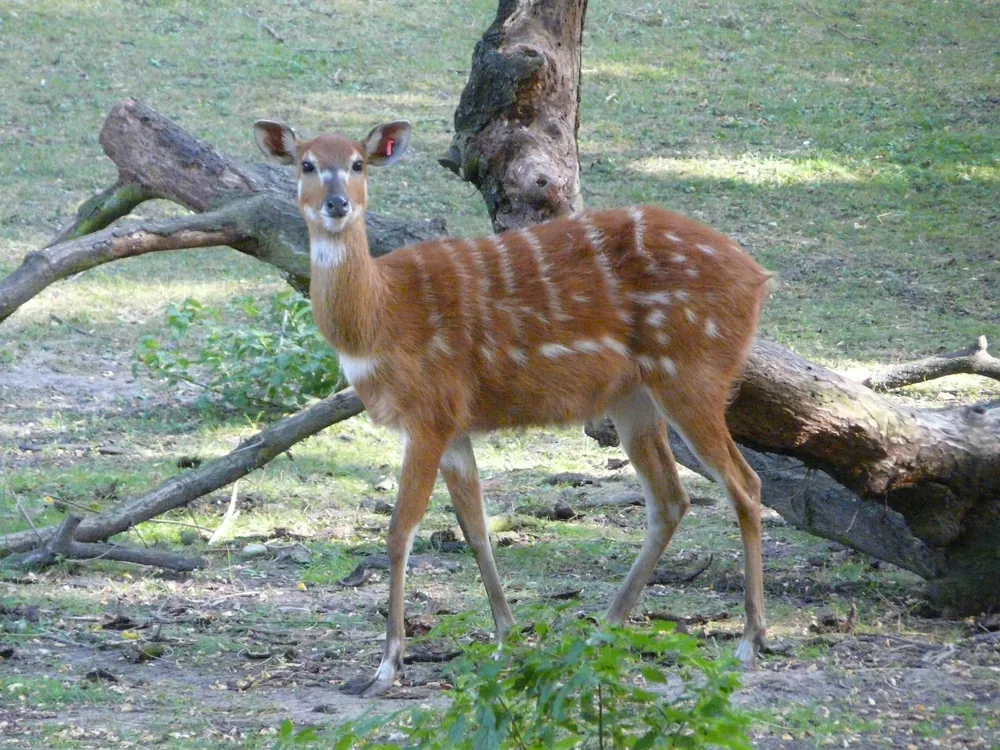
Forested island park a few hours away by boat or a short flight — chimpanzees, sitatunga and no predators.
Gateway
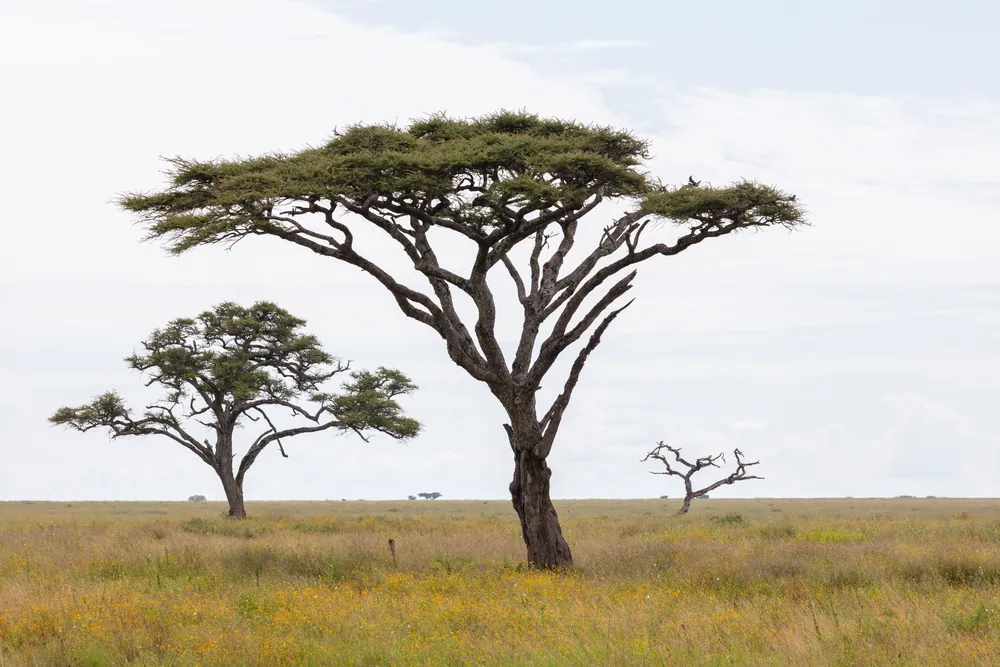
The western Serengeti
Around three hours by road to the Ndabaka gate — the Grumeti corridor, without the Arusha traffic.
Before you go
- Getting there
- Flights from Dar es Salaam and Arusha to Mwanza Airport. The Central Railway runs from Dar; lake ferries serve Ukerewe and Bukoba.
- Getting around
- Taxis and bajaji. The city centre is compact; the lake shore spreads a long way.
- When to come
- June to October is dry. The lake moderates the heat year-round, and it is noticeably cooler than the coast.
- As a safari base
- The obvious approach to the western Serengeti and to Rubondo. Under-used, and cheaper than starting from Arusha.
- Money
- Shillings. ATMs throughout the centre; cards work in the larger hotels.
- Time
- East Africa Time, UTC+3, no daylight saving.
Last reviewed 2026-09-14
Editorial — fact-check complete
Checked against
- 2022 Population and Housing Census resultsNational Bureau of Statistics, Tanzania
- Saanane Island National ParkTanzania National Parks (TANAPA)
- Lake Victoria — Nile perch introduction and cichlid declineEncyclopaedia Britannica
- Mwanza — settlement and city statusWikipedia
- New milestone as Samia opens Magufuli BridgeThe Citizen
- Ukerewe IslandWikipedia